
Last updated November 21, 2026
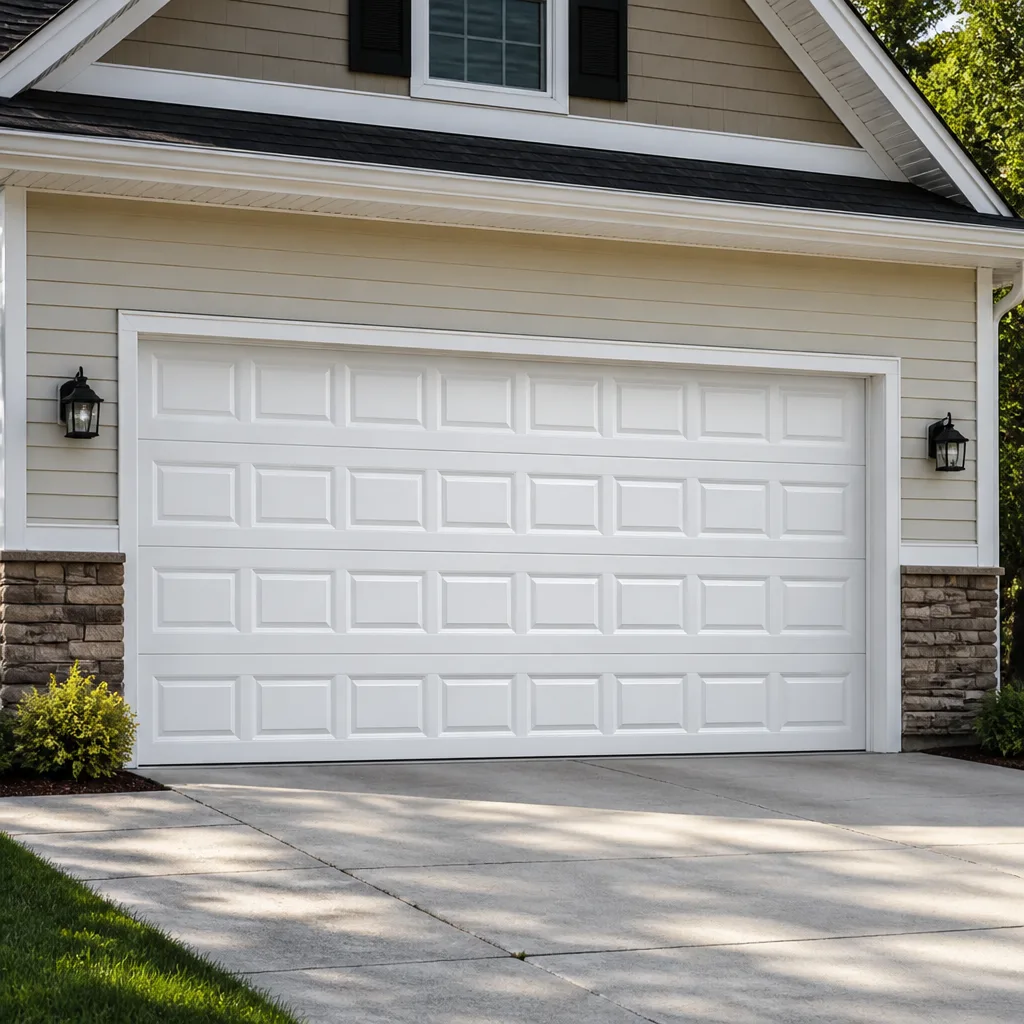 Raised-panel steel
 Carriage house
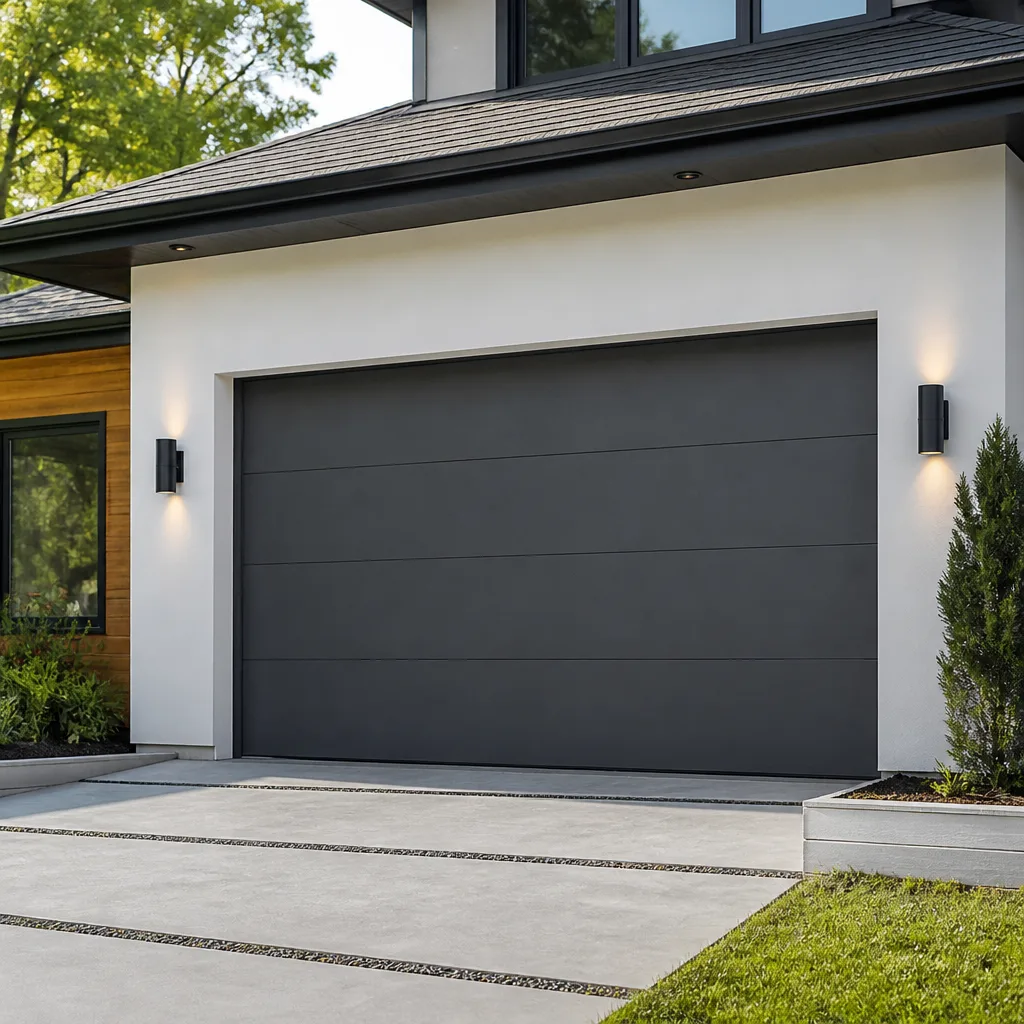 Modern flush
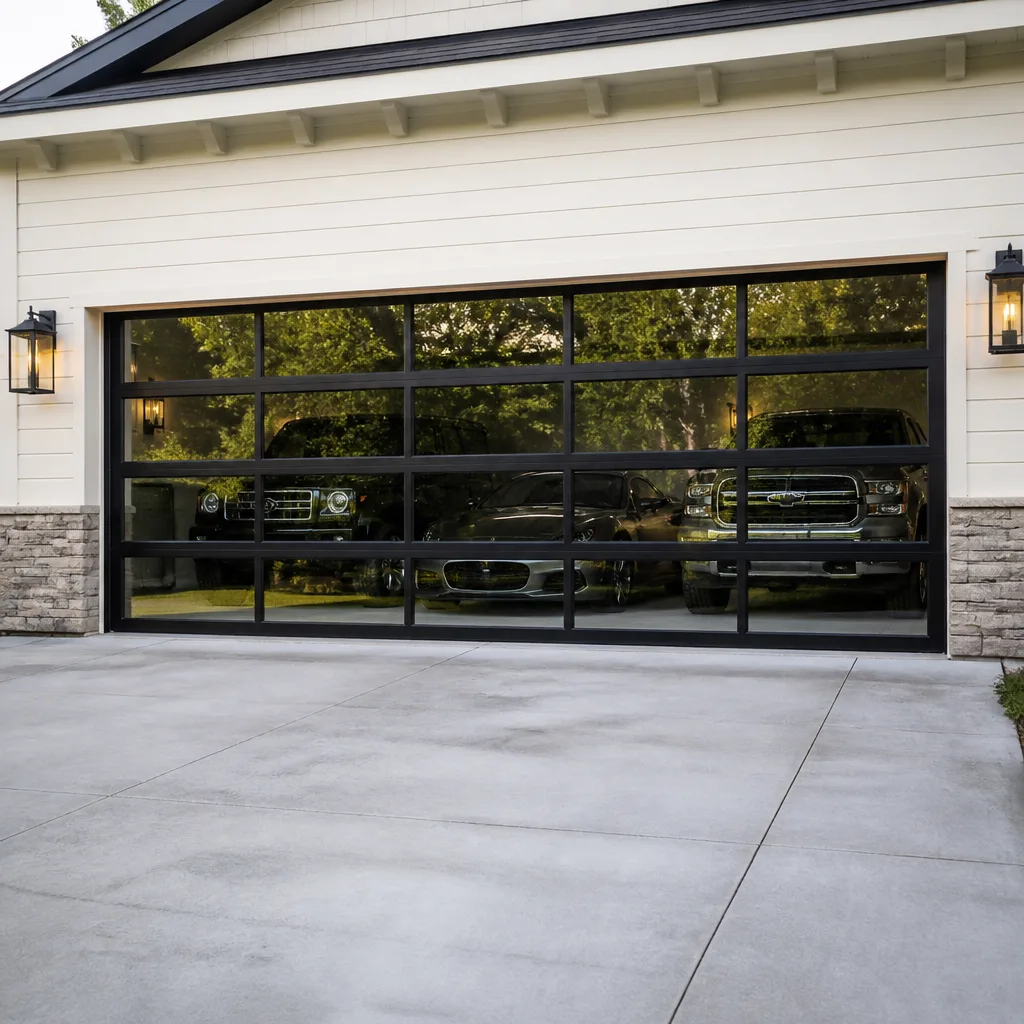 Full-view glass
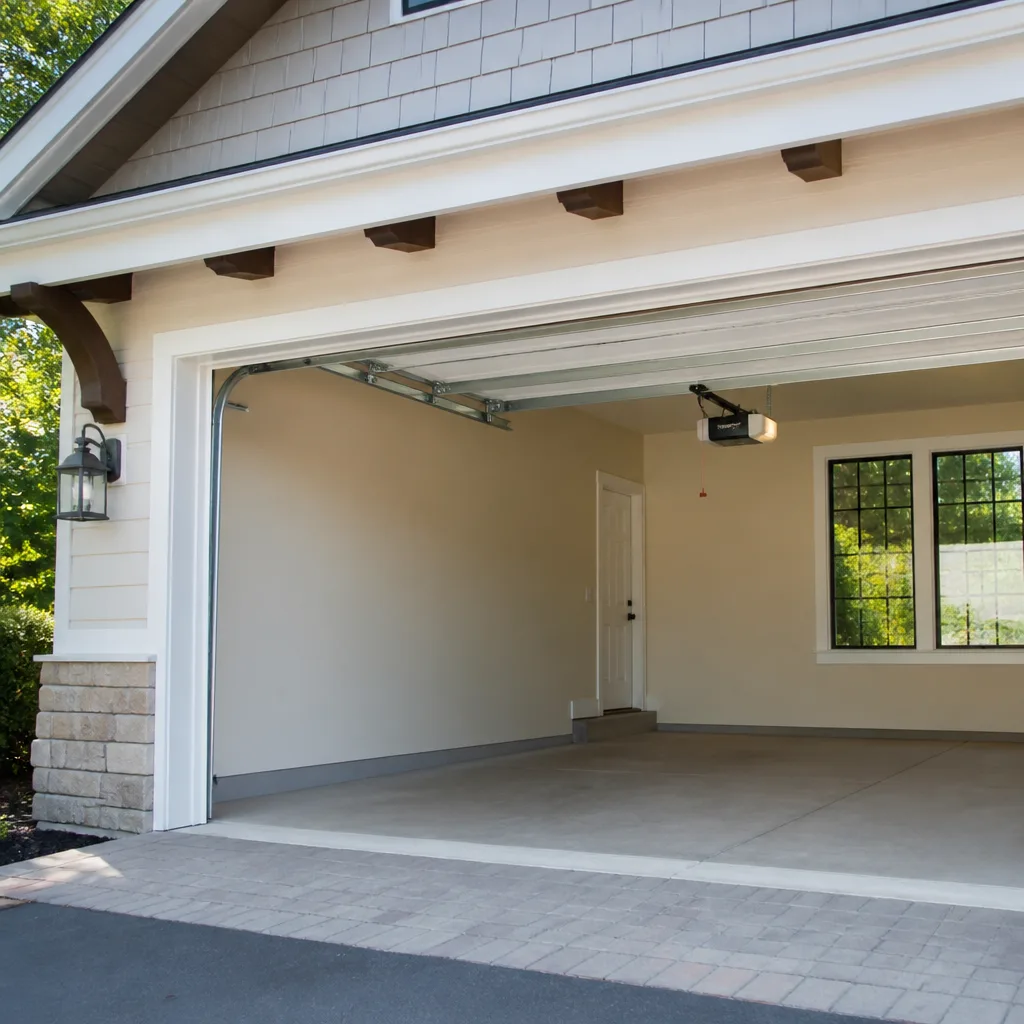 LiftMaster openers
 Chamberlain openers
Full 25-point door and opener safety check with every visit - springs, cables, rollers, tracks, and your LiftMaster or Chamberlain opener included
You get a price before we start. It does not change when the pro arrives.
Get your free estimateSeasonal Garage Door Care for Highlands: Year-Round Homeowner’s Guide
Most garage door advice treats the calendar as if all twelve months carried the same risk. In Highlands, they don’t. The failures we’re called out to fix cluster into two narrow windows each year: the two weeks after the first hard freeze, and the two weeks of rapid temperature swings in March. Doors that sat fine through a mild September start binding, sagging, or refusing to reverse in October. Then just when everything seems settled, spring answers back with a different set of problems. This guide frontloads attention on those two danger windows and explains what the rest of the year needs to keep a Highlands door out of trouble, including a printable task calendar you can keep on the garage wall.
Quick Answer
The two highest-risk periods for a garage door in Highlands are the two weeks after the first hard freeze (usually late October into early November) and the two weeks of rapid March temperature swings. Fall prep and spring re-inspection do more to prevent a mid-winter breakdown than anything you’ll do in summer. Everything else is routine: lubrication, seal checks, and watching your paint finish under intense high-altitude sun.
Styles & brands we work with
- Raised-panel steel
- Carriage house
- Modern flush
- Full-view glass
- LiftMaster openers
- Chamberlain openers
Table of Contents
- Why Highlands’ Seasons Stress a Garage Door Unevenly
- Fall Prep: September Through October
- The First-Freeze Window: What to Watch For
- Winter Operation: A Frozen Door and What Not to Do
- Spring Thaw: Re-Inspecting Springs After a Mountain Winter
- Summer Heat and UV: Protecting the Finish
- Printable Seasonal Task Calendar for Highlands Homeowners
- Common Mistakes to Avoid
- When to Call a Professional
- Frequently Asked Questions
Why Highlands’ Seasons Stress a Garage Door Unearly
A garage door is a system under constant tension: torsion or extension springs holding hundreds of pounds, cables winding on drums, rollers riding in tracks. Every part of that system has metal in it, and metal responds to temperature. In a mild climate, that response is gentle and stretched across months. In Highlands, it’s compressed. The transition from an 80-degree September afternoon to a freezing October night happens fast, and the door feels it.
Our technicians have up to 9 years of experience, and the pattern holds every year. The cold itself isn’t what breaks doors. It’s the speed of the change. When steel contracts quickly, clearances tighten, lubricant stiffens, and any weakness that was hiding in a cable or spring shows itself. The same thing happens in reverse in March, when near-freezing mornings turn into warm afternoons and the door expands and contracts day after day.
Altitude adds a second pressure that many homeowners don’t connect to their door: UV. At Highlands’ elevation, sunlight carries far more ultraviolet intensity than at lower elevations, and a south- or west-facing garage door takes a steady beating on paint, clear coat, and any wood or steel finish. That’s a slow, year-round form of wear that raises its head in summer but starts compounding the January after a sloppy install.
The good news: none of this is unpredictable. If you know when the stress lands, you can do the small tasks that prevent the big repair. We see Highlands Garage Door Repair Pros customers every year who avoided a winter breakdown simply because they lubricated the right parts in October and swapped a cracking bottom seal before the freeze.
Fall Prep: September Through October
Fall prep is the most valuable hour you’ll spend on your garage door all year. In Highlands, aim to complete everything on this list before the first hard freeze, which typically lands in late October. That’s roughly a four- to six-week working window from mid-September. Don’t wait for the first frost to start; that’s the window where the DIY crowd and the repair pros are both backed up.
Work through these tasks in order. Every one of them is low-skill and safe to check yourself, with one important exception covered below on springs and cables.
- Walk the perimeter of the door and look at the cables. You’re checking for fraying, kinks, or obvious slack on drums. Don’t touch a cable under tension; you’re inspecting, not repairing. If anything looks off, stop and call.
- Test the balance. Disconnect the opener (pull the release cord so the door is manual), lift the door halfway, and let it go. A balanced door stays roughly where you put it. If it slams down or won’t stay up, the springs are losing tension, and that’s a pro call.
- Inspect the bottom seal. Run a hand along the bottom seal where it meets the concrete. A cracked, brittle, or missing seal lets in cold air, snowmelt, and pests. Replacing a bottom seal is genuinely a homeowner task, and it’s the single cheapest way to keep your garage from being a cold room all winter.
- Check the weatherstripping around the jambs. The rigid stops down each side and across the top should sit snug against the door. Again, replacing this is a DIY job with basic tools.
- Lubricate the moving parts with low-temperature lubricant. This is the one fall task most homeowners skip, and it matters most. Standard grease thickens in the cold and turns into drag on your opener. Use a low-temperature lubricant designed for garage doors and apply it to the rollers, hinges, and the torsion bar’s bearing plates (not the springs themselves).
- Clear the tracks of debris. Wipe out dust, grit, and any leaves that have blown in, then test the door’s travel. A clean track is a quiet track and a track that doesn’t fight the opener.
- Check the safety reverse. Put a piece of scrap wood on the ground under the door’s path. Close the door. It should reverse on contact. If it doesn’t, the opener’s limits need adjustment or the sensors need attention.
If your fall task list surfaces something bigger, a stiff spring, a cable you’re not sure about, an opener that’s fighting the door, our garage door repair service handles exactly these pre-winter fixes. Doing them in September costs you a service call. Ignoring them costs you an emergency visit in January.
The First-Freeze Window: What to Watch For
The two weeks after the first hard freeze in Highlands are, in our experience, the single busiest repair window of the year. This is when the calls come in about doors that worked fine in September and suddenly don’t. There’s a quiet week or two of denial between the freeze and the first failure, so homeowners often don’t connect the two. Understanding what cold does to each part of the door makes it easier to catch the problem early.
Here’s how the cold physically changes your door:
- Steel contracts slightly. Tracks narrow and clearances tighten by a fraction of what they were. A door that had a little extra play in summer now binds.
- Lubricant stiffens. If you’re still running summer-weight grease on your hinges and rollers, the opener now has to work harder to move the door. That extra load flows straight back to the opener motor.
- Springs lose tension. Cold steel is less springy than warm steel. A spring that was already near the end of its usable tension breaks under the added stress, and it usually breaks when you most need the door to open.
- Bottom seals harden. Rubber and vinyl stiffen and crack at freezing temperatures, which is exactly when the seal is protecting the interior of your garage from snowmelt and cold air.
- Cables contract. A cable with a small kink or fray becomes a snapped cable under the new load. This is the most dangerous failure to ignore, because a broken cable leaves a door with no counterbalance on one side.
A frozen or binding door has a distinctive feel: it shudders, or the opener sounds labored, or the door moves unevenly across its width. If you catch that sound in the first-freeze window, don’t push through it. A quick look at balance, seal, and lubrication often catches the problem before it becomes a broken spring, and getting ahead of the cold is far less stressful than dealing with a door that won’t close on the coldest week of the year. Highlands realities mean garage door problems start adding up fast in this window, so treat the first freeze as your actual deadline for fall prep, not an arbitrary date on a calendar.
Winter Operation: A Frozen Door and What Not to Do
The right response to a frozen garage door is patient, and it protects the door, the opener, and the seal. The wrong response is to force it open and hope. Here’s the difference, plus what to actually do when the bottom of the door is frozen to the floor in the morning.
If your door won’t lift because the bottom seal has frozen to the concrete, never use the opener to try to force it. Don’t repeatedly hit the open button. Don’t tug the door with your hands. Forcing a frozen seal with the opener strips gears and can snap the cable. Instead:
- Release the door from the opener. Pull the release cord so the door is in manual mode. This protects the opener entirely.
- Loosen the seal from the floor gently. A plastic scraper or a rubber mallet tapped along the seal’s edge will free it. A bucket of warm (not hot) water poured along the base works too. Never pour boiling water on the seal or use a metal tool against the rubber.
- Check whether the door is actually free before you reconnect it. Lift a corner slightly by hand; if it moves, the seal is free. Then lift the door a few inches by hand to make sure no ice is binding the tracks.
- Reconnect the opener and run it once. If it moves smoothly, you’re set. If the opener labors or the door binds again, the door needs a real diagnostic, not more pushing.
- Clear snow from the tracks, not into them. When you shovel snow, shovel away from the door’s track, never into the channel. Ice jammed in the track is the second most common winter call after frozen seals.
One thing never to do in winter: park with the opener actively trying to close the door on an obstruction. It’ll trigger the safety reverse, and the door will cycle over and over. Always let the door run a full cycle smoothly, then leave it. If your door is fighting you through January and February, a spring repair or a cable replacement in December is much cheaper than a snapped cable in a snowstorm. If you’re dealing with a door that won’t respond at all, that’s the moment for garage door opener repair.
Spring Thaw: Re-Inspecting Springs After a Mountain Winter
March in Highlands is the season of rapid temperature swings. Mornings sit near freezing, afternoons hit the fifties or sixties, and the door expands and contracts through it all. This is the second danger window of the year, and the failure that dominates it is a spring that has been quietly fatiguing through the winter. Understanding what to look for, and what not to touch, is what catches it before it snaps.
The main spring issue after a Highlands winter is what we call stretch fatigue: not a broken spring, but a spring that has lost some of its tension. It’s a slow loss, not a sudden snap, and it shows up as a door that suddenly feels heavy, sags when you lift it halfway, or drops with a thud when you let it down. On torsion systems, you may also see the spring winding count change from what it was in fall.
To understand the danger: a torsion spring or the cable wrapped around the drum is under hundreds of pounds of tension. When that store of energy is released suddenly, it is genuinely dangerous, and more injuries in this trade come from spring and cable work than from any other part. Don’t inspect springs by touching them, don’t try to adjust them yourself, and don’t cut a spring you think is dead. Our technicians have up to 9 years of experience and spring work is a core service for us for a reason: it’s a high-skill, safety-critical repair that many generalists decline. So, in spring, look, listen, and check balance, then call for help.
Your spring-thaw checklist:
- Listen. A spring with reduced tension tends to make a louder, hollow clank when the door moves. Compare that sound to what you remember from fall.
- Check the balance test. Same as in fall, disconnect the opener and see whether the door stays in place at halfway. If it won’t stay up, tension has dropped, and inspection is due.
- Look for stretch or a loose cable at the drums. You’re checking that the cable is neatly wound and taut. Never touch a cable under tension.
- Check the opener’s strain. If the opener sounds labored or the door reverses on the way down, the spring may be dragging. Stop running it and schedule an inspection.
If you skipped fall prep because the door seemed to be working, spring is your second chance, and it’s a good one. Whether you’re on a Raynor torsion system or a LiftMaster-run door with a chain opener, the physics is the same: consistent tension matters. If your spring inspection turns up a problem, our team can get the door back to full balance without guesswork.
Summer Heat and UV: Protecting the Finish
Summer doesn’t break doors; it bleaches, cracks, and ages them. Highlands’ intense high-altitude sun delivers far more ultraviolet intensity than lower-elevation communities, and a south- or west-facing garage door takes the brunt of it. Steel paint fades and chalks. Wood takes on fine surface cracks. Expanded polyurethane or polystyrene backing can yellow. Andr the finish that’s already past its prime traps moisture or allows it in, which makes next winter’s freeze complications worse.
Here’s what prevents that deterioration:
- Wash the door every few months. A garden hose and a mild soap are fine. Remove dust, pollen, and bird droppings, which are surprisingly corrosive to paint finishes. Rinsing away grime is the cheapest maintenance you can do.
- Inspect the paint and finish for chalking, fading, or cracking. Light oxidation on a painted steel door in Highlands is common. Once it’s chalking, it’s time for a repaint or a fresh clear coat.
- Top-coat wood and steel doors before summer, not after. A fresh coat of paint or clear finish applied in spring protects through the UV peak. Skipping this turns a wood door gray and cracks the paint on a steel door within a few years.
- Check the bottom seal again. UV degrades rubber as quickly as cold does. A summer check gives you a jump on the fall task list, and a new bottom seal now means you won’t be doing it in the first freeze.
- Keep the tracks clear of dust and pollen. Summer’s fine grit, along with cottonwood fuzz if it’s blowing around Highlands, gets into the track and rollers and accelerates roller wear. A wipe-down solves it.
- Watch for heat-related binding. On the hottest afternoons, a door that was fine in the morning can bind as metal expands. If it happens regularly, the door may need track adjustment or bearing service.
If your door has a Chamberlain or Genie opener driving it, summer’s consistent cycles are actually the easiest stretch on mechanical parts. Use that time to catch up on the finish and seal tasks that protect you when the next cold front arrives. If you’re replacing a door you’ve nursed through several summers, our garage door installation service is worth a conversation before the fall rush, because most models can be measured and ordered before weather shifts.
Printable Seasonal Task Calendar for Highlands Homeowners
Print this page, fold it, and tape it inside your garage. Every task below is either a quick homeowner check or one that tells you to call a professional. Read the whole thing once now, then use the calendar month to month.
September – October (Fall Prep):
- Inspect cables for fraying, kinks, or slack (look only).
- Run the balance test: disconnect the opener and check that the door holds at halfway.
- Replace the bottom seal if it’s cracked or brittle.
- Replace jamb weatherstripping if it’s loose or torn.
- Lubricate rollers, hinges, and bearing plates with low-temperature lubricant.
- Clear tracks of dust, grit, and leaves.
- Test the safety reverse.
Late October – early November (First Freeze):
- Watch for a binding or shuddering door. If it appears, stop running it and get it checked.
- Check that the bottom seal hasn’t hardened.
- Confirm the opener’s limits and sensors still function in cold weather.
December – February (Winter):
- Never force a frozen door. Release the opener, free the seal gently, then test by hand.
- Shovel snow away from the tracks, never into them.
March (Spring Thaw):
- Re-run the balance test after the first warm week.
- Listen for spring noise and check for a door that feels heavier than it did in fall.
- Schedule a spring inspection if the door sags, drops, or reverses on the way down. Don’t touch springs or cables yourself.
April – May (Prep for the UV peak):
- Wash the door with mild soap and a hose.
- Touch up or repaint paint chalking, fading, or cracking.
- Top-coat a wood door before the heat hits.
June – August (Summer):
- Check the bottom seal for UV cracking.
- Wipe down tracks and rollers to clear summer grit and pollen.
- Note any heat-related binding and get it looked at if it repeats.
If any month’s task list ends with a call to a professional, that’s where we come in. We work on the brands Highlands homeowners actually own, including Raynor, LiftMaster, Chamberlain, and Genie, and our parts supply is listed as its own service so a repair isn’t delayed waiting on a special order. Call (877) 492-1832. We answer 24/7. Fast dispatch from 7am to 7pm, Sunday through Friday.
Common Mistakes to Avoid
Most of the expensive garage door problems we see in Highlands trace back to a handful of common mistakes, and nearly all of them happen at the same two calendar windows. Avoid these and you’ll spend far less on repairs.
- Waiting for the first hard freeze to run fall prep. If your last lubrication was in the summer, your door has stiff grease in the rollers right when cold weather needs it most. Fall prep has a deadline, and it lands before Halloween, not after the first cold morning.
- Using the wrong lubricant. A garage door is not a bicycle chain. Standard grease thickens in cold and turns into drag on the opener. Use a low-temperature lubricant and save the heavy grease for another job.
- Forcing a frozen door with the opener. It’s tempting to hit the open button and hope. Every attempt puts serious strain on gears, and a fallen or snapped spring under that load can’t be fixed by resetting anything.
- Assuming a door that worked in fall will work in spring. Springs stretch, cables fatigue, and seals crack over winter. The balance test is free and takes two minutes; skip it and you’ll find out the expensive way in March.
- Ignoring the finish until it’s too late. Highlands’ intense high-altitude sun will fade a painted steel door or crack paint within a few seasons. Chalking paint doesn’t just look bad; it lets in the weather that then freezes and expands.
- Trying to adjust a torsion spring without training. If a door doesn’t balance, the solution isn’t more turns on the spring. Spring and cable work is high-tension and dangerous, and it’s the reason many generalists decline to touch a garage door spring at all.
- Pushing a binding door past its limits. A door that shudders or reverses is telling you something. Running it repeatedly while you wait for a spare afternoon turns a small repair into a breakdown.
When to Call a Professional
Some garage door tasks are genuinely DIY: washing the door, replacing the bottom seal, swapping weatherstripping, lubricating moving parts, clearing the tracks. But some situations call for a professional by any reasonable standard. Call us if a spring has broken or a door won’t balance; if a cable is frayed, kinked, or slack; if the opener reverses without a reason; if the door binds, shakes, or runs at an angle; or if the door is too heavy for the opener to lift. A door that has been in place for many years and now strains in the cold is a classic call-a-pro moment, and it’s worth catching before it fails entirely. We also help homeowners with a full installation when an aging door has reached the end of its useful life.
Highlands Garage Door Repair Pros offers free estimates in Highlands. Call (877) 492-1832. We answer 24/7. Fast dispatch from 7am to 7pm, Sunday through Friday, and we’ll always quote a price before we start.
Frequently Asked Questions
Do the big service tasks in September or October, before the first hard freeze, and then re-check balance and springs in March once the big temperature swings arrive. Those are the two windows where most garage door failures happen here. A routine service in fall followed by a check in spring handles nearly everything the local climate throws at a door.
Yes. Lubricating rollers, hinges, and bearing plates with a low-temperature lubricant is a safe homeowner task. Use a low-temperature product rather than standard grease, because summer-weight grease thickens in a Highlands winter. Never lubricate a torsion spring or a cable under tension.
Never force it with the opener. Release the opener with the release cord so the door is in manual mode, then gently free the bottom seal with a plastic scraper or warm (not hot) water. Lift a corner by hand to confirm it’s free, then reconnect the opener. If it still binds, call for help.
Springs break when cold steel loses some of its tension and the remaining load on the spring is too much to hold. Highlands’ rapid fall temperature drops are the classic trigger, usually within two weeks of the first hard freeze. If your door suddenly feels heavy or drops when you let it down, the spring is the likely culprit, and it’s a pro call.
Wash it a few times a year with mild soap and a hose, inspect the finish for chalking or fading, and apply a fresh coat of paint or finish before the summer UV peak if you notice wear. Touching up the finish in spring is what prevents long-term fade and cracking.
Nothing immediately, which is why it’s easy to skip. But the door will eventually tell you: a sagging door, a noisy opener, a door that’s slow to close, or a full spring failure mid-winter. Catching a spring problem in March is far less stressful and less expensive than a breakdown in January. Call (877) 492-1832 for a free estimate; our technicians have up to 9 years of experience with spring repair as a core service.
The Bottom Line
Garage door care in Highlands is a schedule, not a set of tasks. The pre-freeze window and the spring thaw are where nearly all annual failures happen, so frontload your effort there: cables, bottom seal, balance, low-temperature lubrication, and a spring check in March. Summer is for finish care and the UV that works on a door all year round. If any task surfaces something bigger than a DIY fix, springs and cables especially, don’t force it. Our technicians have up to 9 years of experience, we work on the major brands Highlands homes actually use, and we’re happy to give a written estimate before any work begins. Call (877) 492-1832 for a free estimate. We answer 24/7. Fast dispatch from 7am to 7pm, Sunday through Friday.
Written by the team at Highlands Garage Door Repair Pros.
See the difference
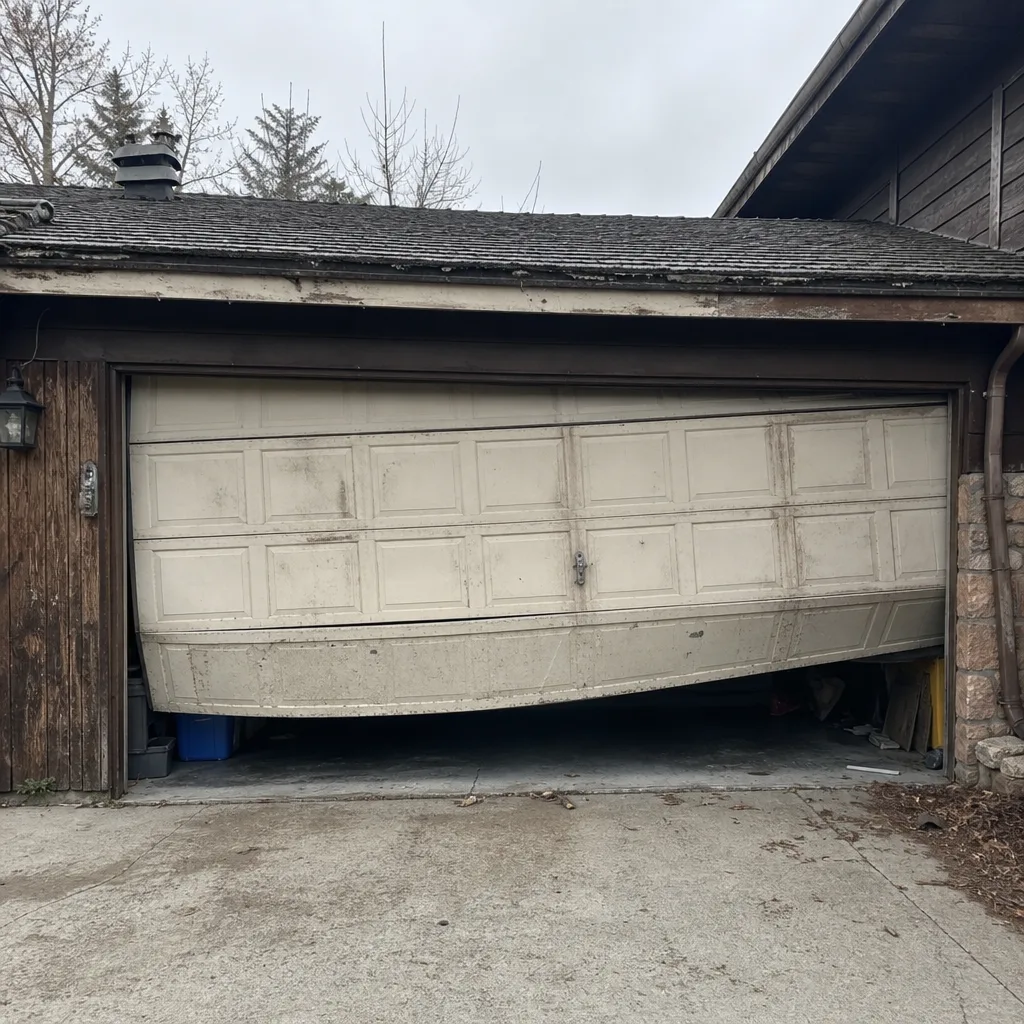 Before
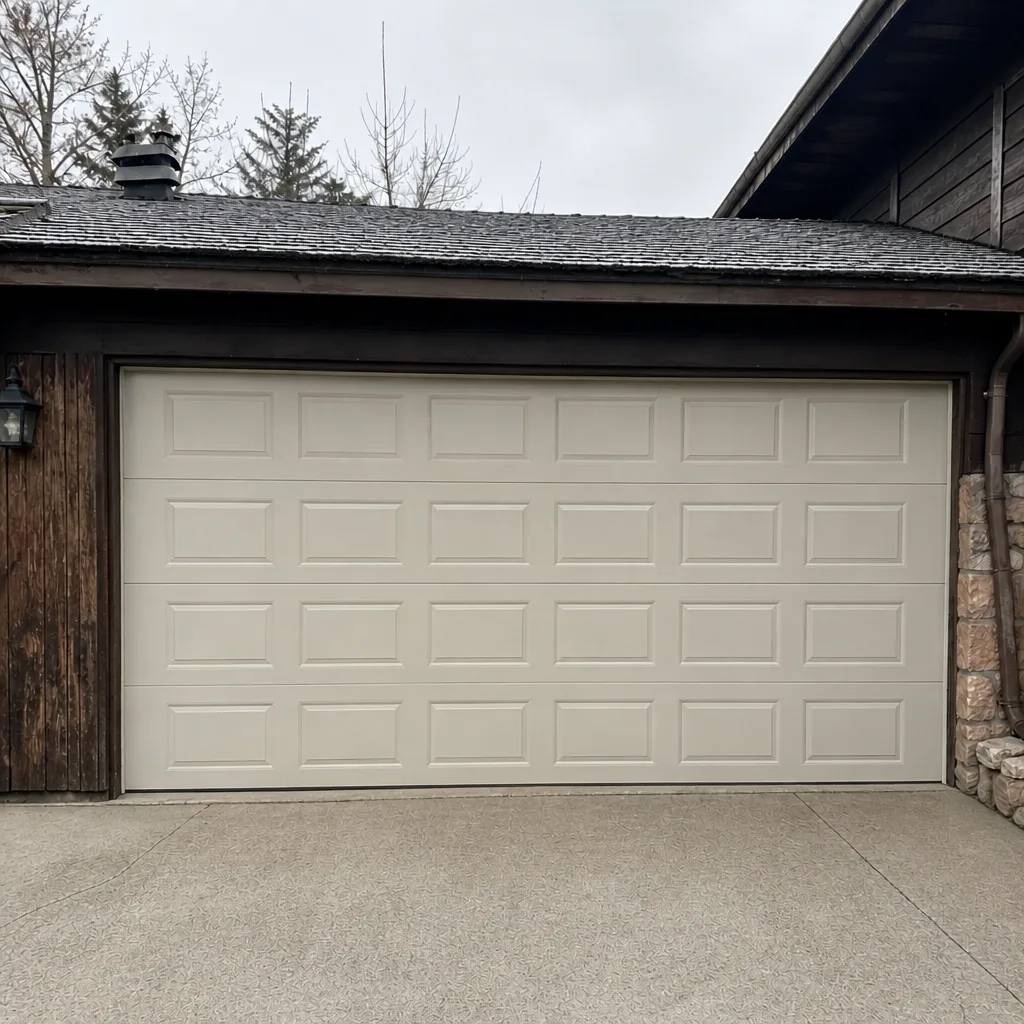 After
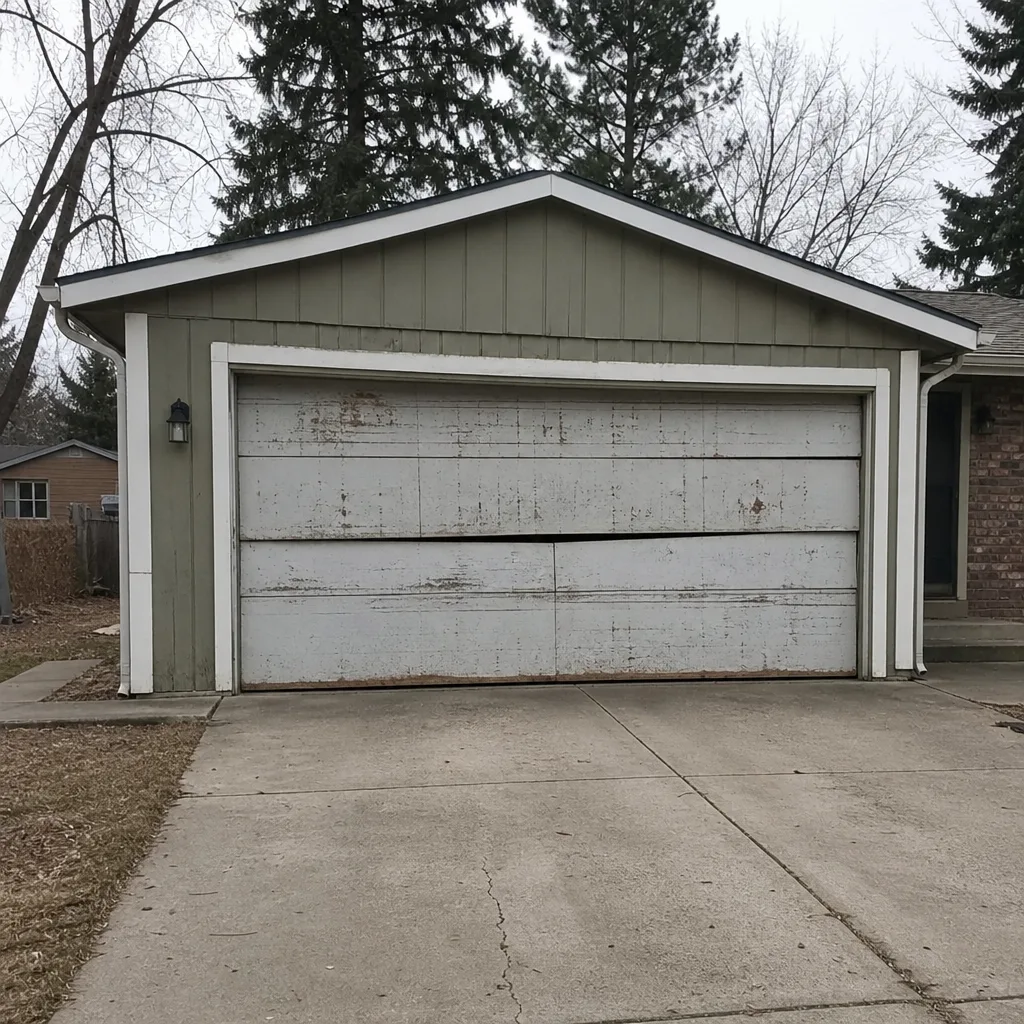
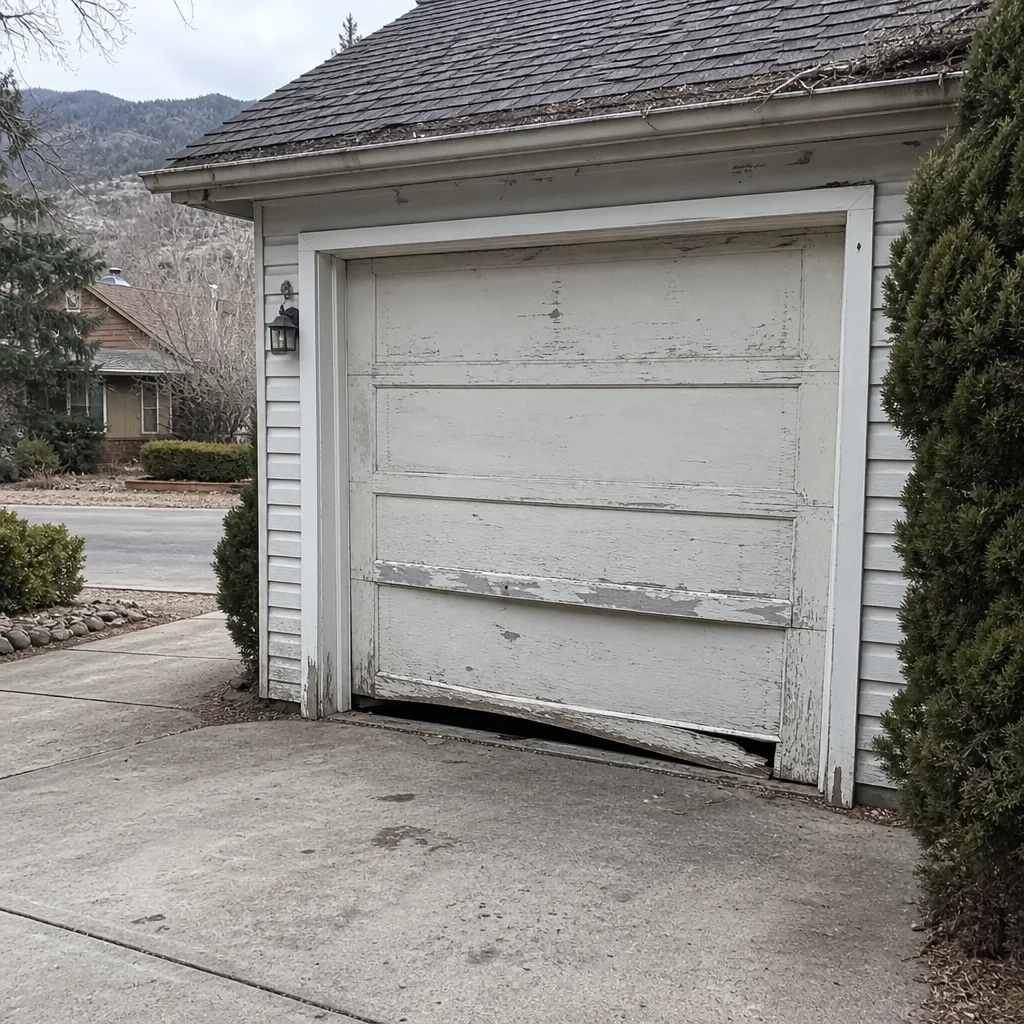 Before
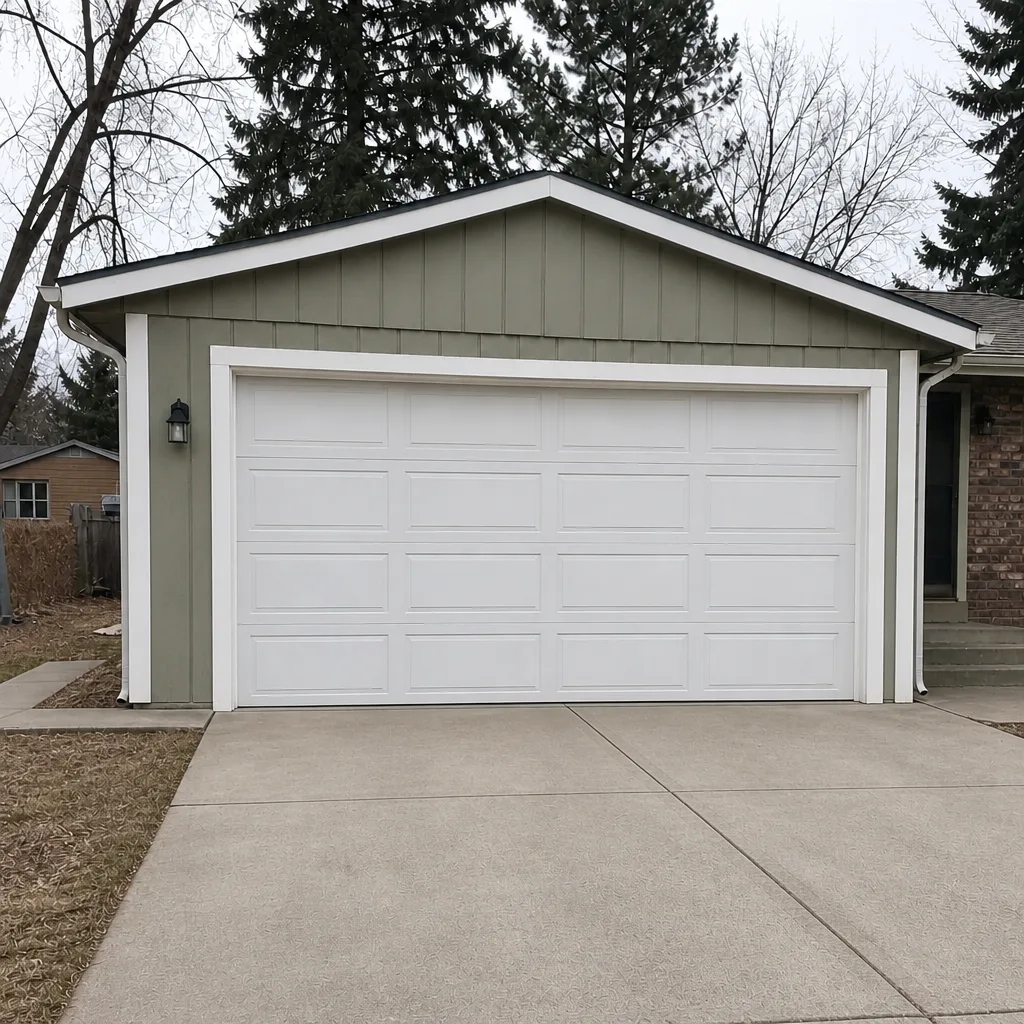
 After
 Before
 After