
Last updated November 21, 2026
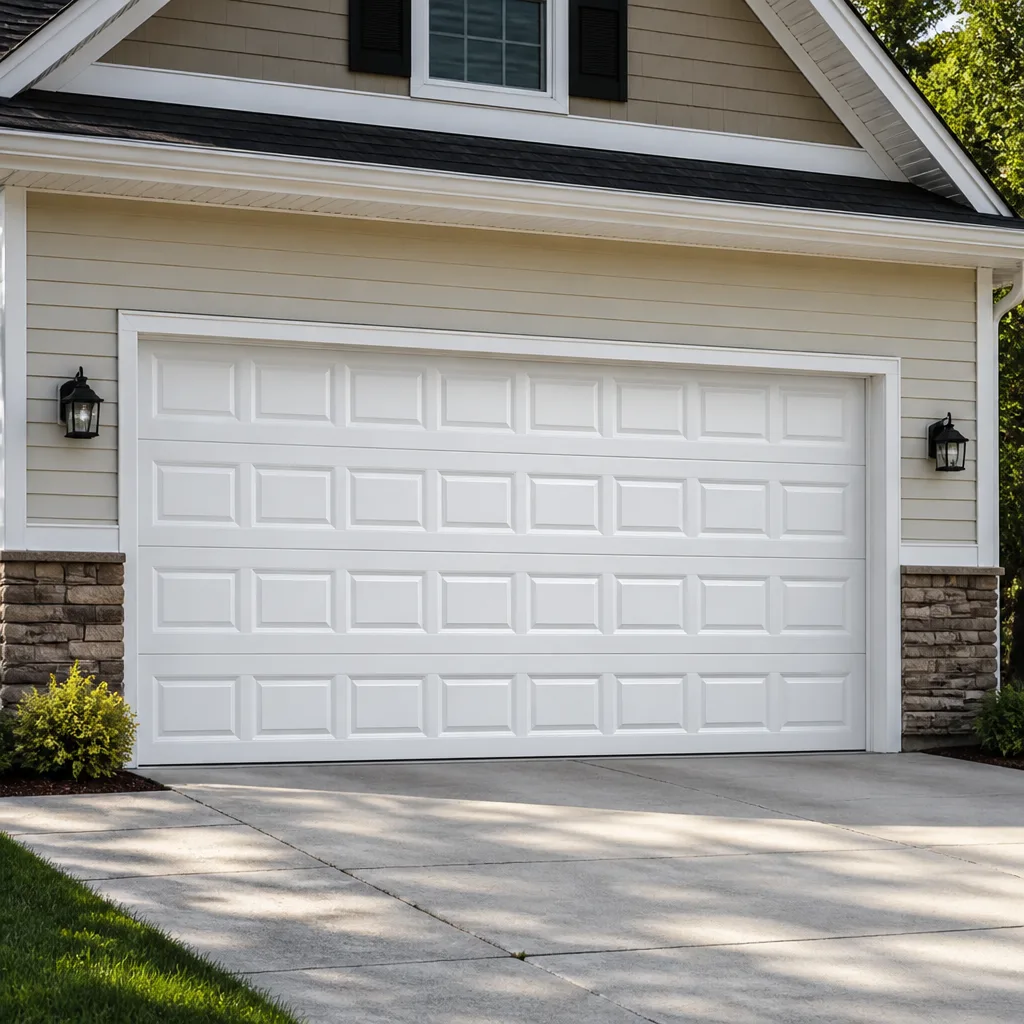 Raised-panel steel
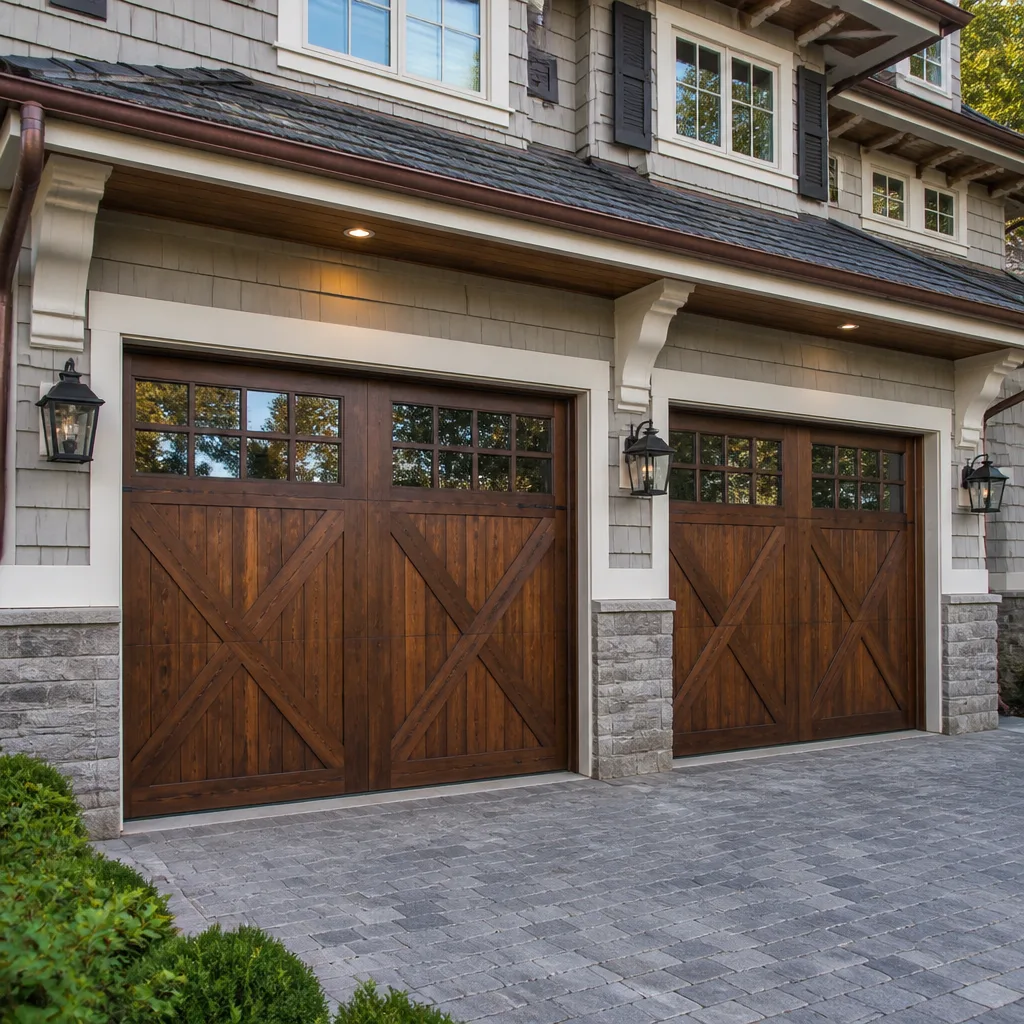 Carriage house
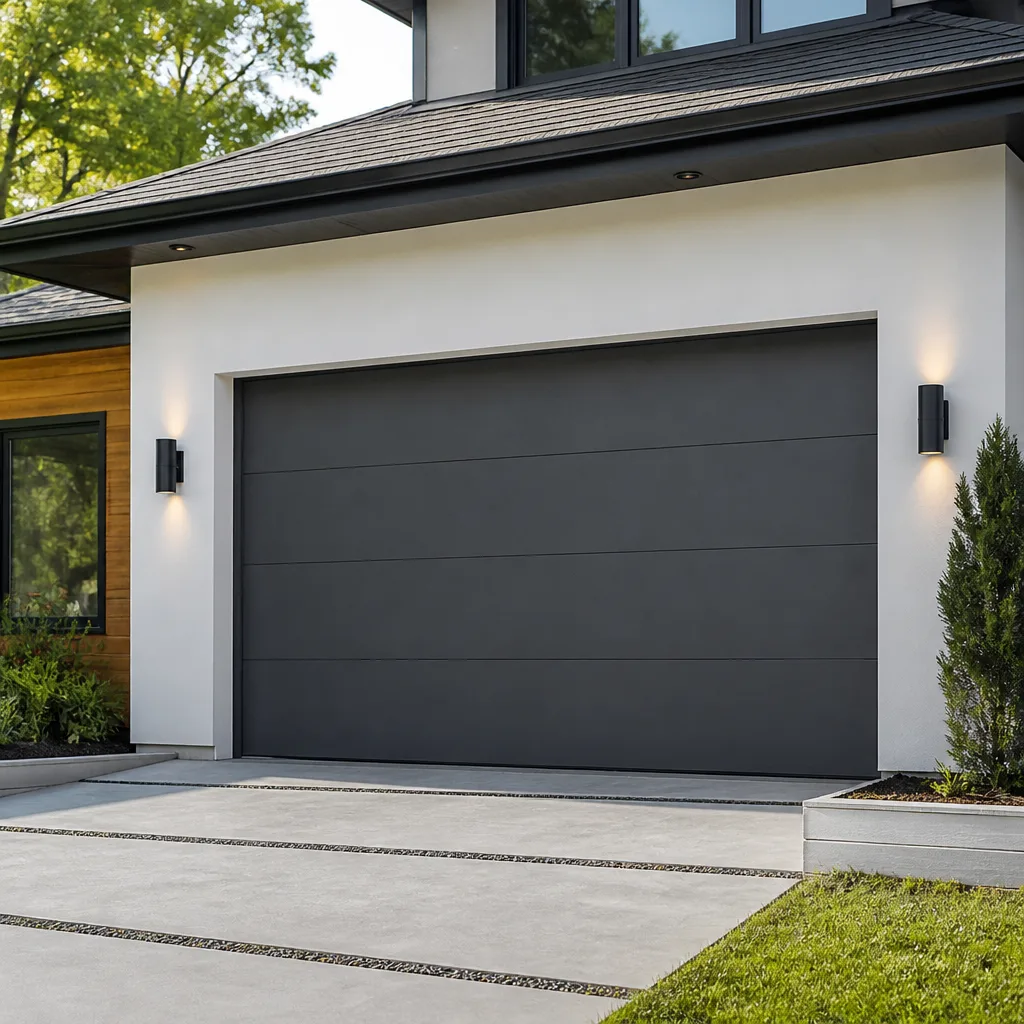 Modern flush
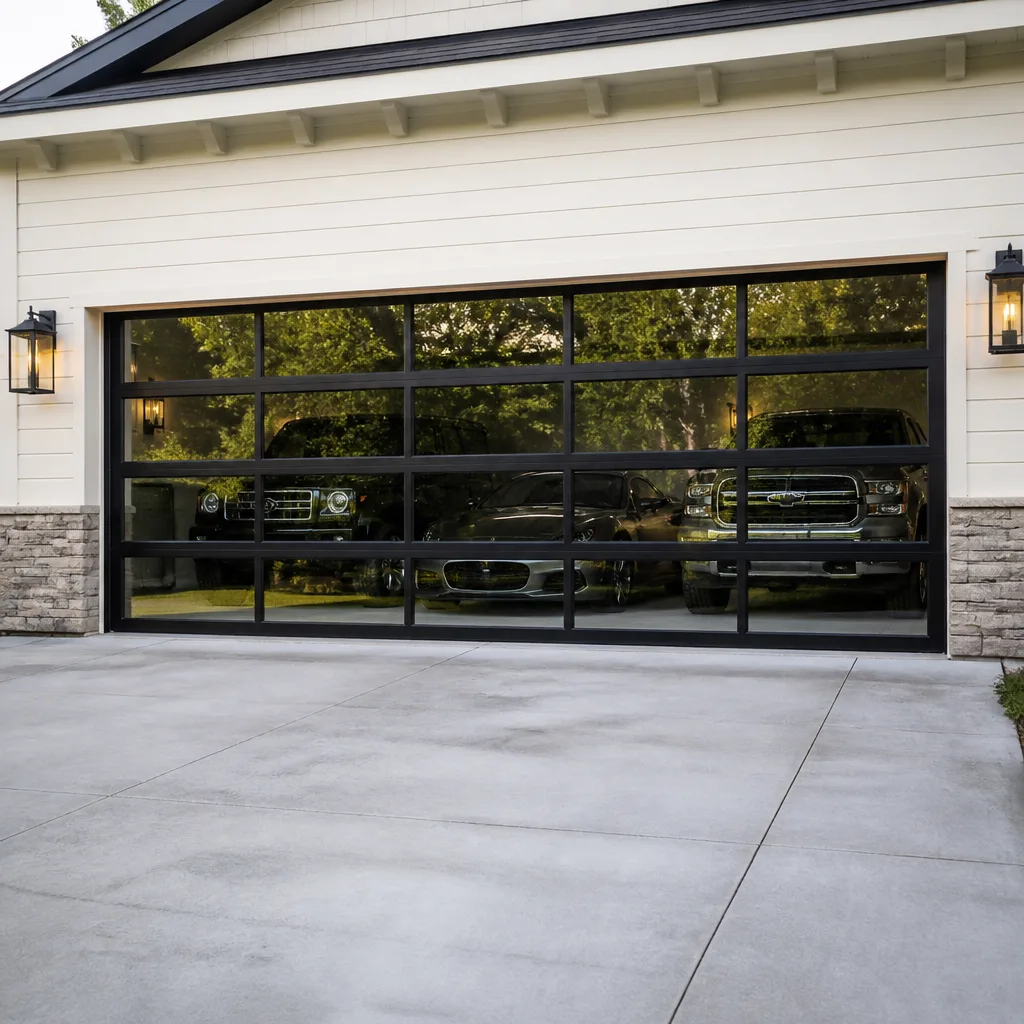 Full-view glass
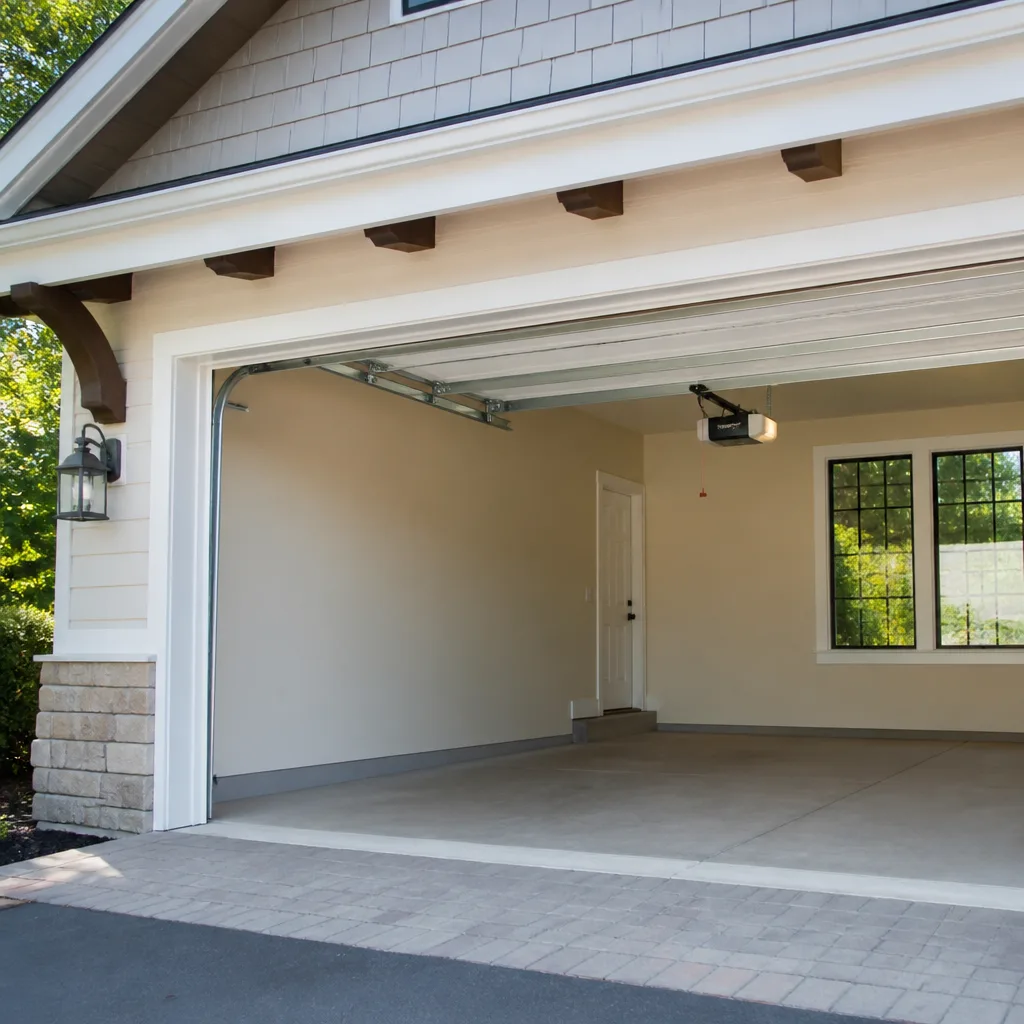 LiftMaster openers
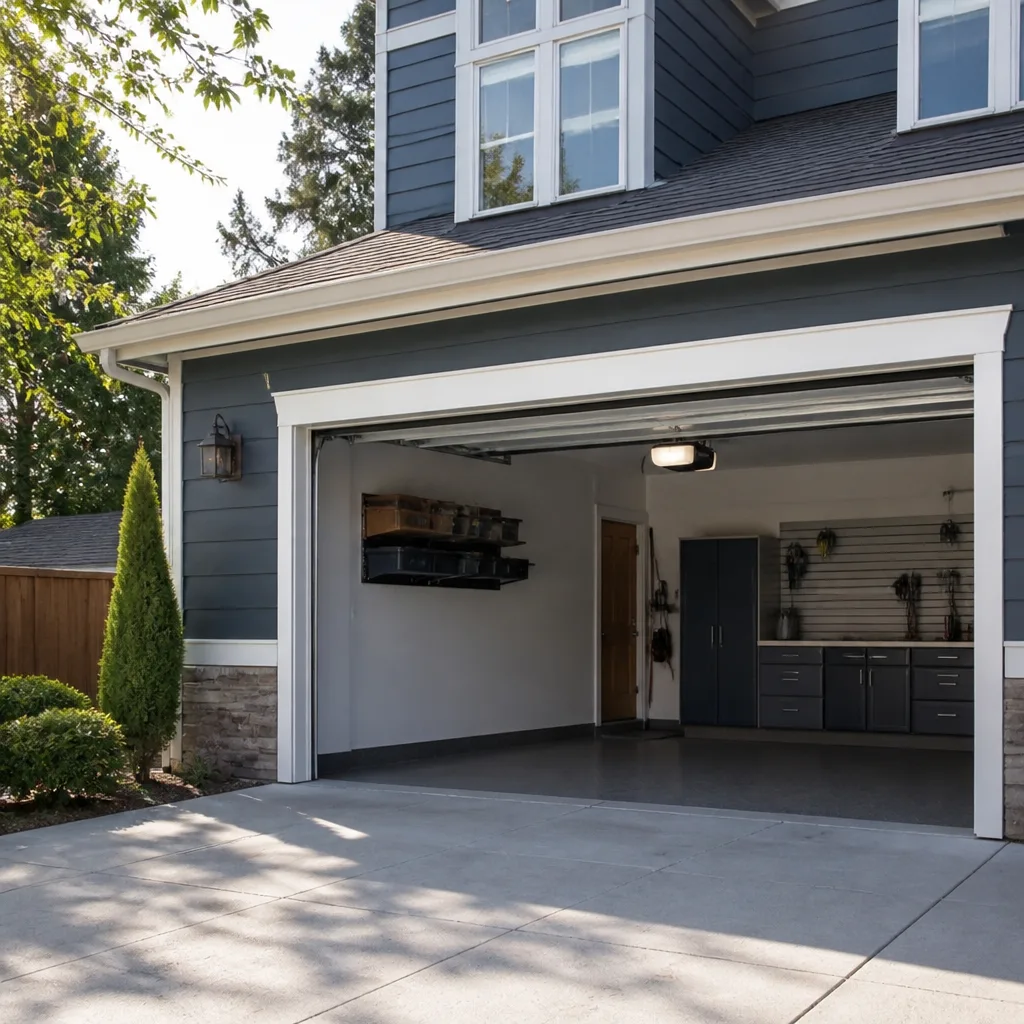 Chamberlain openers
Full 25-point door and opener safety check with every visit - springs, cables, rollers, tracks, and your LiftMaster or Chamberlain opener included
You get a price before we start. It does not change when the pro arrives.
Get your free estimateHow to Hire a Garage Door Contractor in Highlands: A Step-by-Step Guide
Most homeowners pick a garage door contractor the way they pick a plumber: whoever answers first and sounds friendly. That approach works fine until the door is a brand-specific system with a tension setting that has to be exact, and the person who adjusted it last spring was guessing. The work looked finished. It failed months later, when nobody could prove who set it wrong. Highlands sits in mountain country where the temperature swings between seasons are severe, and those swings are unforgiving on springs, cables and openers that were set for a milder climate. In this guide we’ll walk through the interview questions, verification steps and red flags that separate a real garage door specialist from a generalist with a toolbox, and how to tell the difference in a small market before any money changes hands.
Quick Answer
To hire a garage door contractor in Highlands, verify four things before you book: that the contractor specializes in garage doors rather than general handyman work, that they know your specific brand (LiftMaster, Chamberlain, Genie, Clopay, Amarr, Wayne Dalton, Craftsman and Raynor are the common ones), that their insurance and licensing check out, and that the written estimate itemizes parts, labor and warranty. Ask brand-specific technical questions during the interview. If the answers stay vague, keep calling.
Styles & brands we work with
- Raised-panel steel
- Carriage house
- Modern flush
- Full-view glass
- LiftMaster openers
- Chamberlain openers
Table of Contents
- Why a garage door specialist beats a generalist in Highlands
- The five interview questions that expose a generalist
- How to verify licensing and insurance in Colorado
- Small-market red flags in Highlands
- What a legitimate written estimate must include
- How to read reviews in a low-volume market
- Step by step: from first call to finished job
- Common mistakes to avoid
Why a Garage door specialist beats a generalist in Highlands
A garage door is a counterbalanced machine, not a hinged panel. Springs hold tension that offsets the door’s weight, and that tension is calculated per door by size, weight and drum diameter. A generalist can swap a hinge or hang a sensor. The parts that matter most – spring wind count, cable routing, opener force limits – require training on the specific system, and mountain homes around Highlands often carry doors that were installed decades ago and modified since. Brand-specific knowledge matters because a LiftMaster opener and a Chamberlain unit share a platform but not every setting, and a Raynor door from one era can have a completely different spring configuration than the same model name from another.
We’ve been called after work done by a general contractor failed a season later, not because the installer was careless but because they weren’t fluent in the system in front of them. That’s the gap a specialist closes. A garage door specialist spends every working day on doors, openers and springs, and they recognize the warning signs of a mis-set torsion spring or a stretched cable before it becomes a snapped one. In a mountain market, that daily fluency matters more, because the temperature swings between summer and winter stress the components harder than in a stable climate.
- Springs are the danger zone. Torsion springs hold enough stored force to cause serious injury if the wind count is wrong or a winding bar slips. A specialist treats this as core work. A generalist often declines it.
- Brand-specific parts. A Clopay panel is not a Wayne Dalton panel. A specialist knows which parts are interchangeable and which aren’t.
- One trade, all the way through. A garage door specialist can repair, replace a spring, swap an opener or garage door installation when a door is beyond saving. No handoff to a different company.
General handyman work has its place. A loose track bracket, a balky hinge or a sensor the dog knocked out of alignment is a small job. The line is at anything internal to the counterbalance system, and in Highlands that line matters because a door set wrong in October can fail under snow load in February.
The five interview questions that expose a generalist
Ask these five questions on the first call, before any appointment is scheduled. A specialist answers them without hesitation. A generalist deflects, changes the subject or says “we’ll take a look when we get there.”
- What’s the wind count on my torsion spring, and how will you determine it? A specialist will tell you the count is set by door weight and spring size, and that they’ll measure before winding. A vague “we’ll figure it out” is your exit signal. This is the single best question to separate real spring technicians from people who guess.
- Do you work on my brand specifically? Ask by name. If your opener is Craftsman or your door is Raynor, ask whether they service that system regularly. A specialist will say yes or tell you clearly when they don’t. The worst answer is “we work on all brands” with no detail behind it.
- Will you replace one spring or both? Springs are usually replaced as a matched pair because the second spring is generally as old as the first. A contractor who quotes one spring without discussing the pair is either not paying attention or setting you up for a second visit soon.
- What parts will you use, and do you have them on hand? A specialist who stocks parts gets you from diagnosis to completed repair in one visit. If they need to order a part, ask how long and what it costs to hold the job.
- What’s your written warranty, and will you put it in the estimate? Verbal “we stand behind our work” means nothing. A legitimate contractor itemizes warranty terms in writing before the job starts.
If a contractor answers all five clearly and without evasion, you’ve narrowed the field. If two or three feel dodged, call the next name on your list. This interview takes five minutes and saves a season of problems.
How to verify licensing and insurance in Colorado
Colorado does not issue a statewide general contractor license, and garage door work is not a licensed trade at the state level. That means the burden of verification falls on you, and a contractor’s claim of “fully licensed and insured” is not the same as proof. What matters is that the business carries liability insurance and workers’ compensation coverage, and that you see evidence of both before work begins.
Here is how to confirm it without being confrontational:
- Ask for a certificate of insurance. A legitimate contractor will email a certificate that names the policyholder and the coverage limits. If they hesitate or say “we can show you when we arrive,” treat that as a problem.
- Check the business registration. Colorado’s Secretary of State business search confirms whether a trade name is registered to a real entity. A business that shows up only as a phone number with no registration behind it is worth a second look.
- Ask about workers’ compensation. If someone is injured on your property and the contractor has no coverage, the liability can follow you. Confirm the coverage in writing.
- Ask what happens if something goes wrong. A real contractor has an answer: warranty process, callback policy, how claims are handled. If the answer is “we’ve never had a problem,” that’s not an answer.
Most cities in Colorado also require a permit for structural changes to a garage, and some require one for a full door or opener replacement. Ask your city’s building department before scheduling the work, not after. A contractor who tells you “we don’t need a permit for that” without checking is guessing on your behalf.
Keep in mind the distinction between what a contractor claims and what you can verify. Claims are free. Certificates of insurance and business registrations are not. In Highlands, where the market is small and word-of-mouth is the primary referral channel, the contractors worth hiring expect the question and answer it plainly.
Small-market red flags in Highlands
A small mountain market makes certain scams and shortcuts easier because there are fewer competing voices to expose them. The patterns below show up in Highlands and in similar Colorado communities, and each is worth taking seriously before you sign anything.
- An out-of-state phone number with no local address. Companies that work a wide region and disappear for months are hard to hold accountable if the work fails. Ask for a physical business address you can drive past.
- Pressure to pay in full upfront. A legitimate contractor may ask for a deposit on a full installation, but spring and repair work is typically paid after completion. Any demand for full payment before the truck arrives is a stop sign.
- No written estimate, only a verbal price. Verbal prices can’t be enforced. The written estimate is the price. Full stop.
- Cash-only, no receipt. A contractor with no paper trail has no warranty and no insurance claim to fall back on. Cash is fine as a payment method. Cash with no paperwork is not.
- “We don’t need a permit for that.” If the work requires a permit and the contractor says it doesn’t, you’re not talking to a specialist. Confirm with the city first.
- No brand knowledge on the call. “We work on everything” is not a brand answer. A specialist can name what they service.
- No verifiable reputation. In a small market, a contractor with no reviews, no references and no business registration is a gamble. Ask for references and actually call them.
None of these flags is absolute proof of a problem. Together, they describe a contractor who is not set up to stand behind the work. The reputable ones in Highlands don’t check every box on this list, and the ones who do tend to check several.
What a legitimate written estimate must include
The written estimate is the document that protects you when the work is finished and the invoice arrives. If it doesn’t spell out the details below, ask for a revised version before you agree to the job. The price you sign is the price you pay, and that only works if the estimate is specific.
- Parts by name and part number. “Spring replacement” is not specific enough. The estimate should say which spring, which size, which drum, and which model number if the part has one.
- Labor broken out separately. Knowing what you’re paying for the part and what you’re paying for the installation makes later comparison possible.
- Permission to replace both springs. If only one spring is replaced, the estimate should say so explicitly and explain why.
- Opener details if the job includes one. The model number and compatibility of the opener should be listed, especially for smart-home units.
- Warranty terms in writing. How long, what it covers, and what voids it. If the warranty is verbal, it doesn’t exist.
- Payment terms and deposit amount. When payment is due, and whether a deposit is required for a full installation.
- The scope of work. What’s included and what isn’t. A spring job that doesn’t mention a follow-up inspection is a different job than one that does.
At Highlands Garage Door Repair Pros, we provide free estimates and we put everything on paper before work starts. We quote typical ranges when you call, but the written estimate is what sets the final price. If a part turns up that wasn’t in the original scope, we stop and talk to you about the difference before we touch it.
Cost also varies with the job. A single torsion spring is a different job than a matched pair, a full door replacement is a different job than a spring swap, and an opener replacement on a Wi-Fi-enabled unit costs more than a legacy unit. The estimate should make those differences legible, not hide them behind a single total.
How to read reviews in a low-volume market
A Highlands garage door contractor might have five Google reviews, not five hundred. That’s the reality of a small market, and it changes how you evaluate the reviews you find. Patterns matter more than averages. A business with four reviews and a 5.0 average is not automatically better than a business with twelve reviews and a 4.3.
Here’s what to look for:
- Specific detail in the review text. A review that names the problem and the fix (“torsion spring replacement on a Raynor door”) tells you more than a generic five stars.
- Consistent themes. If three reviews mention on-time arrival, that pattern is stronger than any single review. If three reviews mention a billing surprise, that matters too.
- How the business responds. A reply that addresses the concern with specifics signals a business that takes it seriously. A defensive reply or silence is a data point.
- Age of reviews. A strong review from two years ago and a single recent one means different things. Look for recent activity to confirm the business is still operating.
- Cross-check on other platforms. A business with reviews on Google and none anywhere else is not necessarily a red flag. A business with negative patterns across multiple platforms is.
Also ask for two references on the first call. Small-market contractors who care about their reputation will give you the names of recent customers, and once you have those names, call them. Ask specifically whether the price matched the estimate, whether the work was explained clearly, and whether they’d hire the same contractor again.
Step by step: from first call to finished job
Here’s how a well-run hire should go. This is the process a Highlands homeowner can expect from a specialist who takes the job seriously. Steps 1 through 3 are on your side of the transaction. Steps 4 through 8 are on the contractor’s side.
- Identify the problem. Is it a broken spring (door feels heavy and won’t lift), an opener issue (door moves but opener doesn’t respond), a track problem (door binds on the way up), or a sensor issue (door stops and reverses immediately)? Knowing the category helps you describe it accurately on the first call.
- Shortlist three contractors. Use Google, ask neighbors, or search specifically for garage door specialists rather than generic handymen. In Highlands, word-of-mouth carries weight.
- Run the five-question interview. Spring wind count, brand knowledge, one-spring-vs-pair, parts on hand, written warranty. If two pass, book estimates with both.
- Get the estimate on site. A written estimate from a contractor who has seen the door is worth more than a phone quote. This is also where the contractor should mention permit requirements if the job needs one.
- Compare the estimates line by line. Not just the total. Which parts, which labor, what warranty, what’s excluded.
- Confirm insurance and business registration. Before work begins, request the certificate of insurance and verify the business is registered.
- Watch for the safety review. A trained technician will do a safety check around the door before the job: balance, track alignment, sensor function. That check is part of the work, not an upsell.
- Get the warranty in writing after completion. Paper documentation after the job is finished matters as much as the estimate before it started.
Repair, replacement or a new door? How to decide
The right call depends on the door’s age, the brand, and where the failure is. A snapped spring on an otherwise-sound door is a spring repair. A door with multiple panel cracks, a bent track and a failing opener is a different calculation, and at that point a garage door installation starts making more sense than repeated repairs. The specialist should be able to tell you which side of the line you’re on, honestly, and explain why.
We work on doors from LiftMaster, Chamberlain, Genie, Clopay, Amarr, Wayne Dalton, Craftsman and Raynor, so the brand rarely changes the recommendation. What changes it is the condition of the individual door. Our technicians have up to 9 years of experience and can tell a fixable door from one that’s reached the end of its working life without pushing you toward replacement unnecessarily. If garage door repair will get another decade out of the door, that’s the answer you’ll get.
Openers are their own decision, and the platform matters. LiftMaster and Chamberlain share the myQ ecosystem, and Genie has its own smart-home integration path. If you’re upgrading to a Wi-Fi opener, ask which platform the contractor works with regularly before you buy the hardware. If garage door opener repair is what you actually need, replacing a sensor or a logic board is often cheaper than a new unit.
Common Mistakes to Avoid
- Hiring whoever answers first. Speed of response doesn’t predict quality of work. The contractor who picks up on the first ring may not be the contractor who knows your brand.
- Accepting a verbal price. The written estimate is the price. A number quoted over the phone without a written follow-up is not a commitment.
- Replacing only one spring. Matched pairs are usually replaced together because they wear together. A single spring replacement is a temporary fix in most cases.
- Skipping the insurance check. Colorado doesn’t license garage door work at the state level, so you’re the one who has to verify coverage. Request the certificate.
- Not asking about brand training. “We work on everything” is not the same as “we work on your brand regularly.” Ask by name before you book.
- Working on the door yourself. Torsion springs, cables and winding drums can cause serious injury when handled without training. Leave the counterbalance system to a professional.
- Ignoring what’s in the estimate. Read it line by line. If it doesn’t list the parts, the labor and the warranty, ask for a revised version before you agree.
See the difference
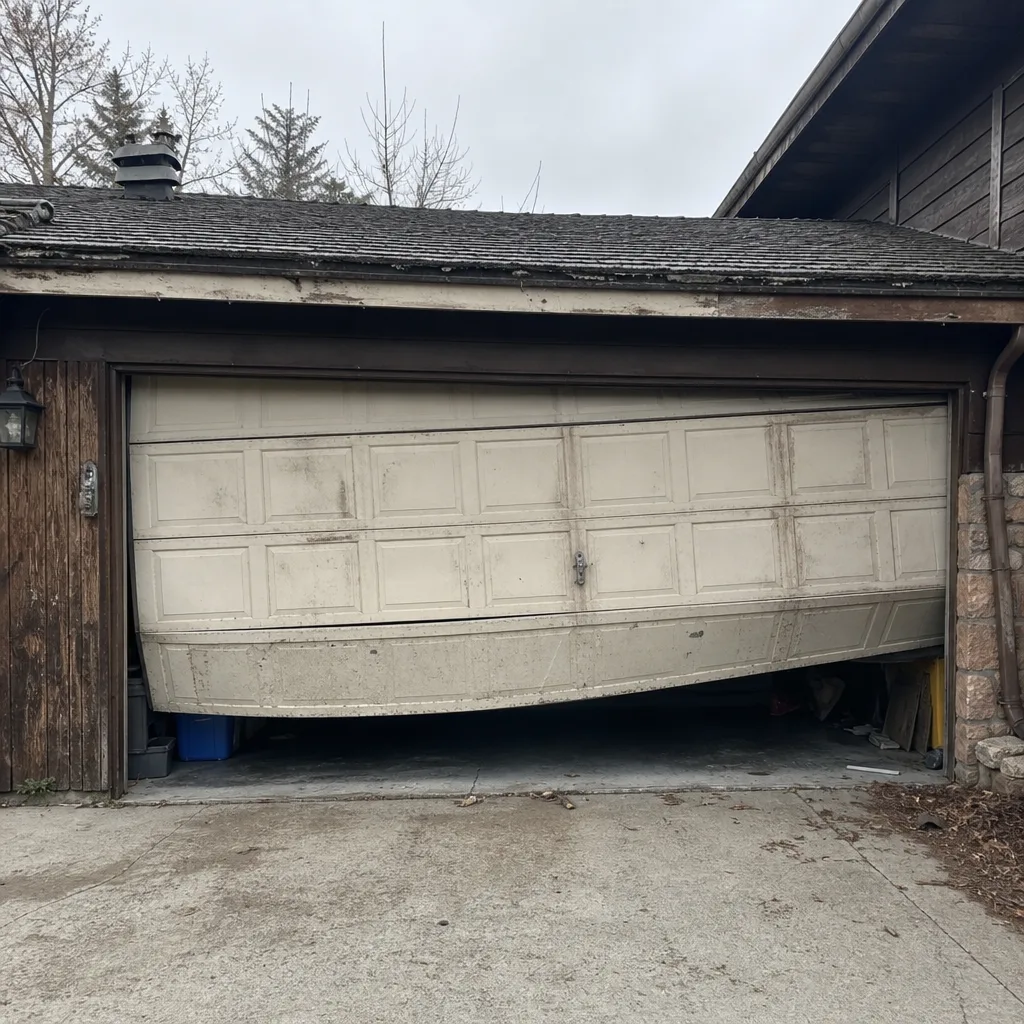 Before
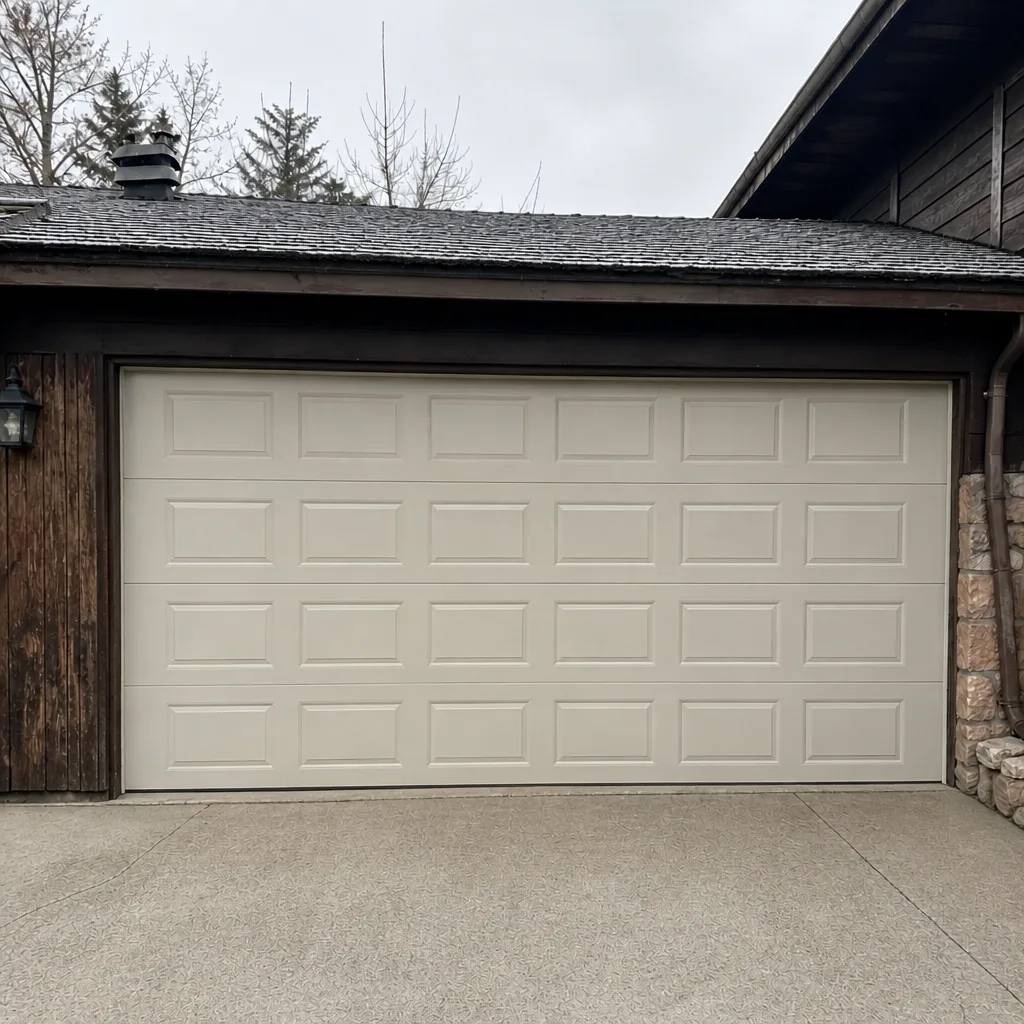 After
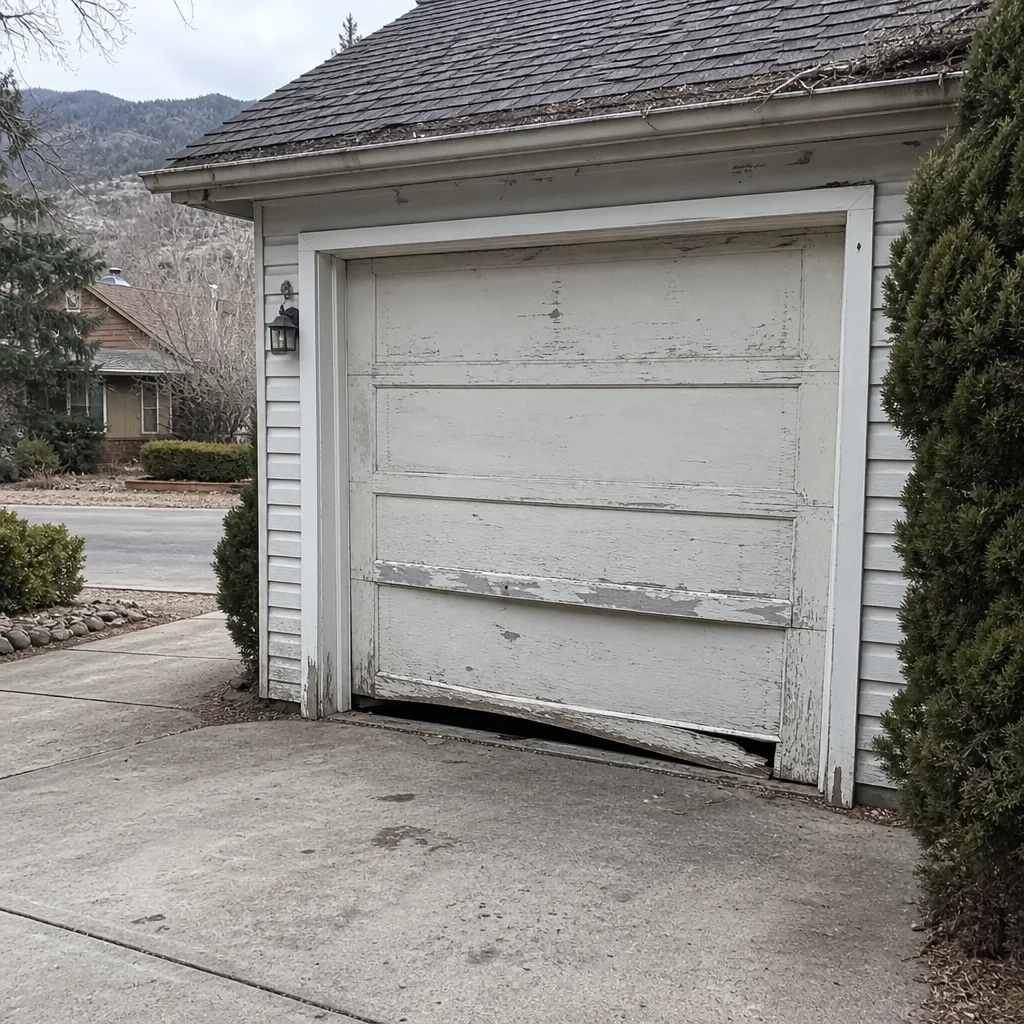 Before
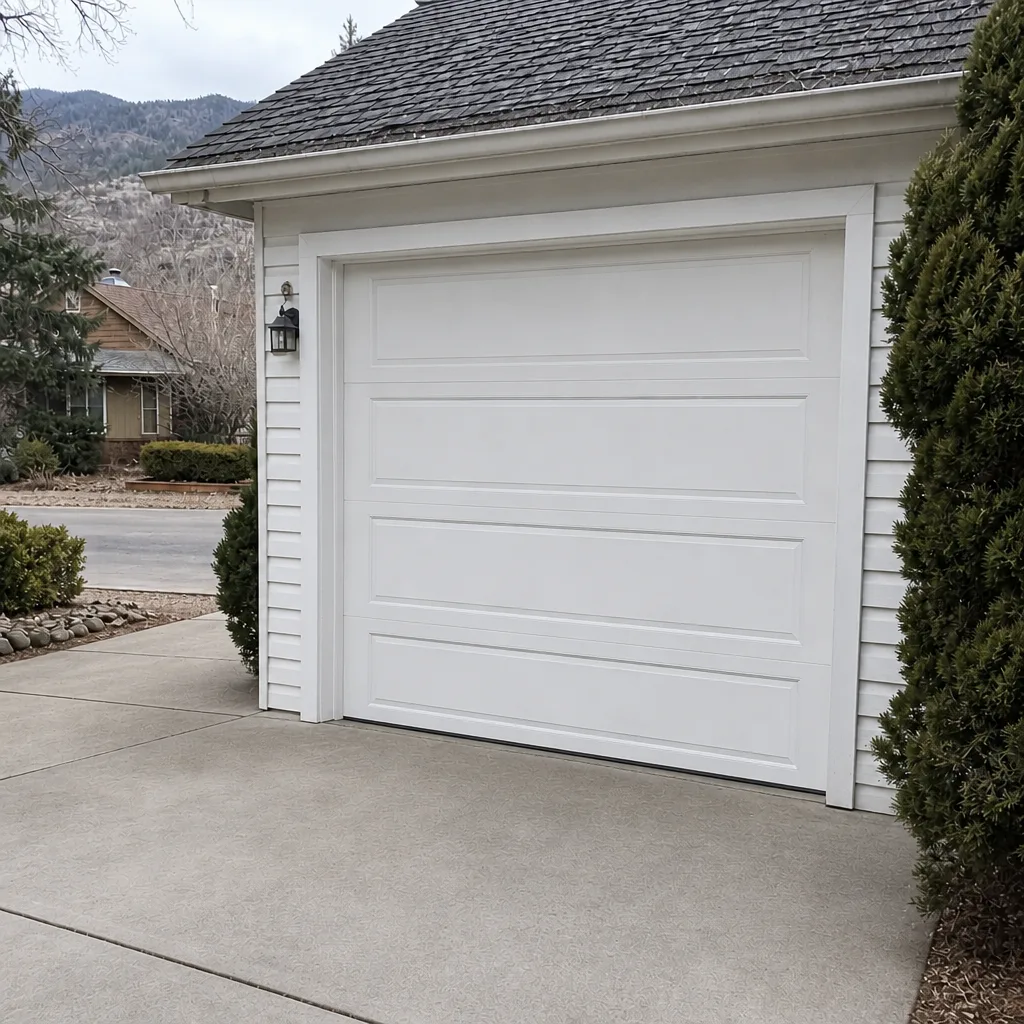 After
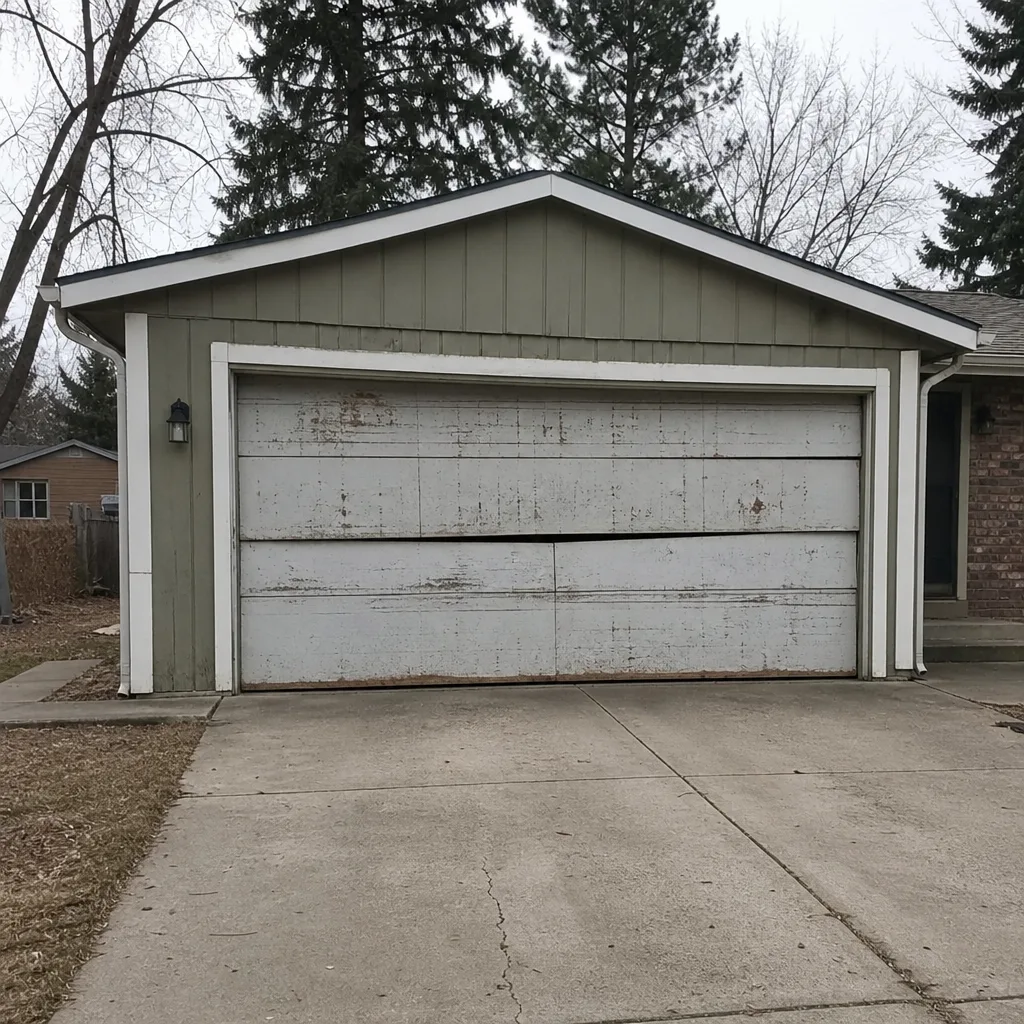 Before
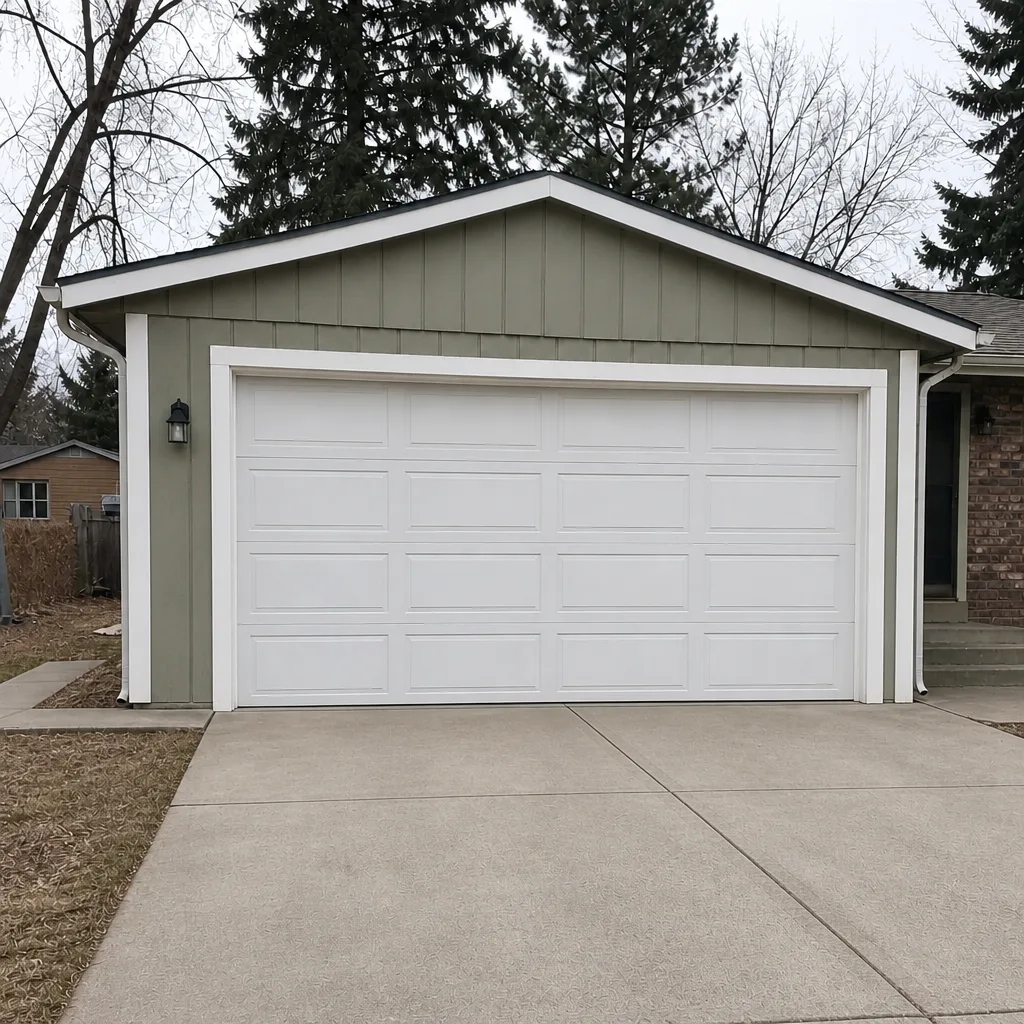 After
When to Call a Professional
Some garage door problems are safe to watch and worth a call. Others should be called the same day. A door that reverses immediately after closing, an opener that runs but doesn’t move the door, a track that has pulled away from the frame, or a door that has dropped at one corner all warrant a professional. Any spring, cable or drum work should go straight to a specialist. Torsion springs hold enormous tension, and a wrong move can cause serious injury, so we don’t recommend touching the counterbalance system yourself. Highlands Garage Door Repair Pros offers free estimates in Highlands. Call (877) 492-1832. We answer 24/7. Fast dispatch from 7am to 7pm, Sunday through Friday, and the written estimate is the price.
Frequently Asked Questions
Ask for a certificate of insurance before any work begins. It should show the policyholder’s name, the coverage limits and the workers’ compensation coverage. Cross-check the business name against Colorado’s Secretary of State registration search. If a contractor hesitates to provide the certificate, that’s a reason to look elsewhere.
No. Colorado does not issue a statewide general contractor license, and garage door work is not a state-licensed trade. That means the burden of verifying insurance and business registration falls on the homeowner. Some cities require permits for a door or opener replacement, so ask your building department before scheduling.
Ask brand-specific technical questions. A specialist can explain what determines a spring’s wind count and can tell you whether they work on your specific brand by name. Generalists tend to give vague answers to specific questions. Ask which springs go on a matched pair, whether they have the part on hand, and what the written warranty covers. Clear answers indicate a specialist.
A written estimate should list the parts by name and part number, separate the labor cost, explain whether springs are being replaced as a pair or singly, list the warranty terms in writing, and state the payment terms. The written estimate is the price you pay, so anything left off it is up to you to ask about.
Replace both in nearly all cases. Matched springs wear at roughly the same rate, so a single replacement often means the second spring fails soon after. A specialist will quote the pair unless there’s a specific reason to replace only one.
Yes. Call (877) 492-1832 and we’ll walk through the job on the phone. We work on LiftMaster, Chamberlain, Genie, Clopay, Amarr, Wayne Dalton, Craftsman and Raynor doors and openers, we perform spring repair as a core service, and we give a written estimate before work starts. We answer 24/7, and we schedule fast dispatch from 7am to 7pm, Sunday through Friday.
The Bottom Line
Hiring a garage door contractor in Highlands comes down to verification, not vibes. Ask brand-specific questions and listen for specific answers. Confirm insurance and business registration yourself, because the state won’t do it for you. Get a written estimate that itemizes parts and labor and puts the warranty in writing. Treat out-of-state phone numbers, pressure to pay upfront and vague brand answers as the red flags they are. A specialist knows the door in front of them, whether it’s a LiftMaster opener or a Raynor spring, and can explain what’s wrong and what the fix will cost. When you find one who can, you’ve done the work that protects the job.
Call (877) 492-1832 for a free estimate in Highlands. We answer 24/7, with fast dispatch from 7am to 7pm, Sunday through Friday. Whether you need a spring replaced, an opener repaired or a full new door, we’ll walk through the options, put the price on paper, and get the job scheduled. For a broader look at what we do, visit Highlands Garage Door Repair Pros.
Written by the team at Highlands Garage Door Repair Pros.