
Last updated November 21, 2026
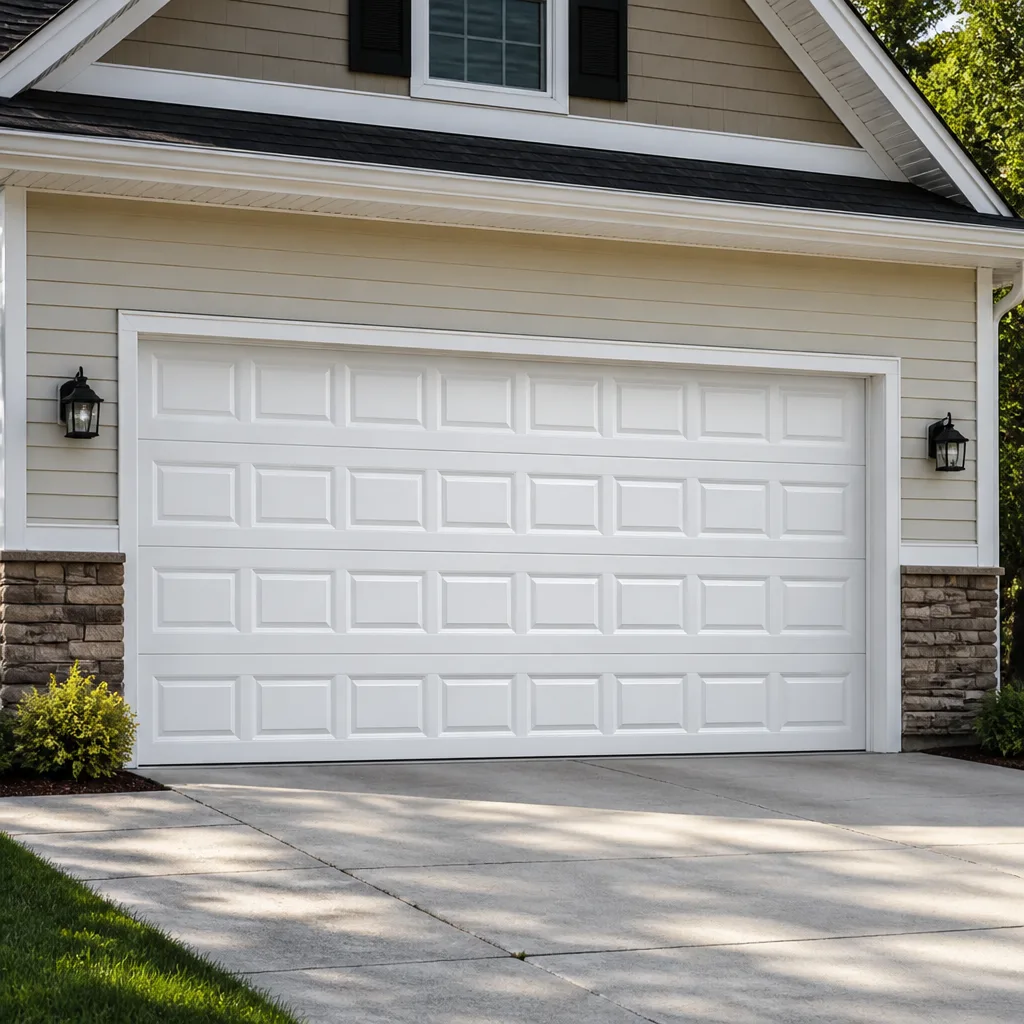 Raised-panel steel
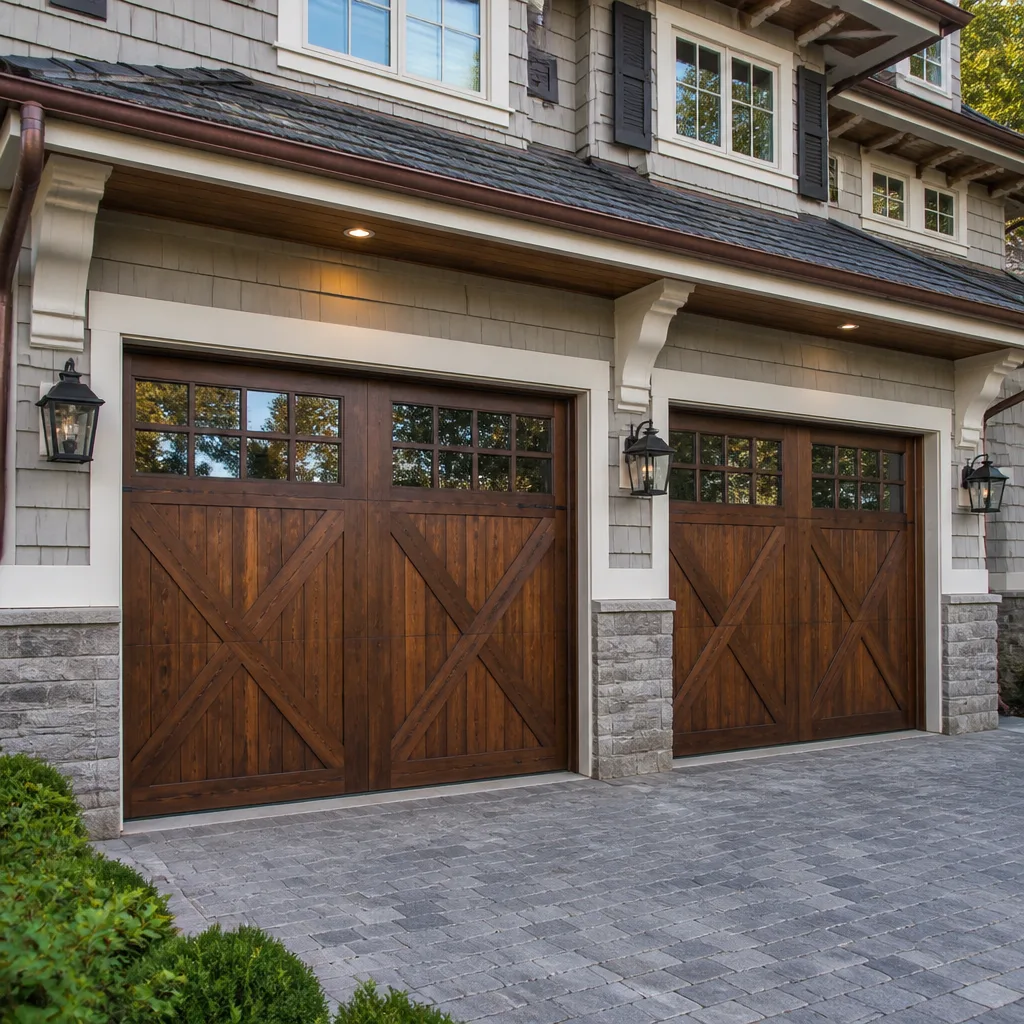 Carriage house
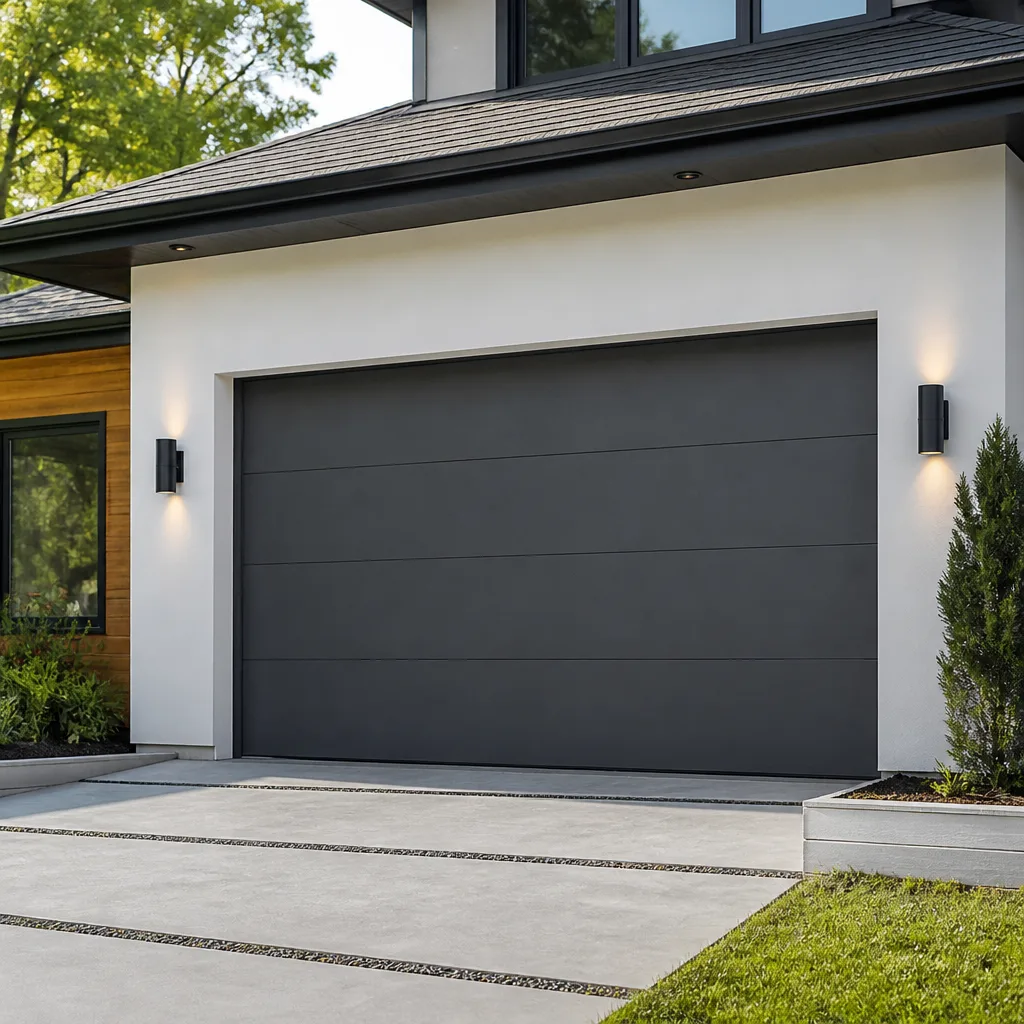 Modern flush
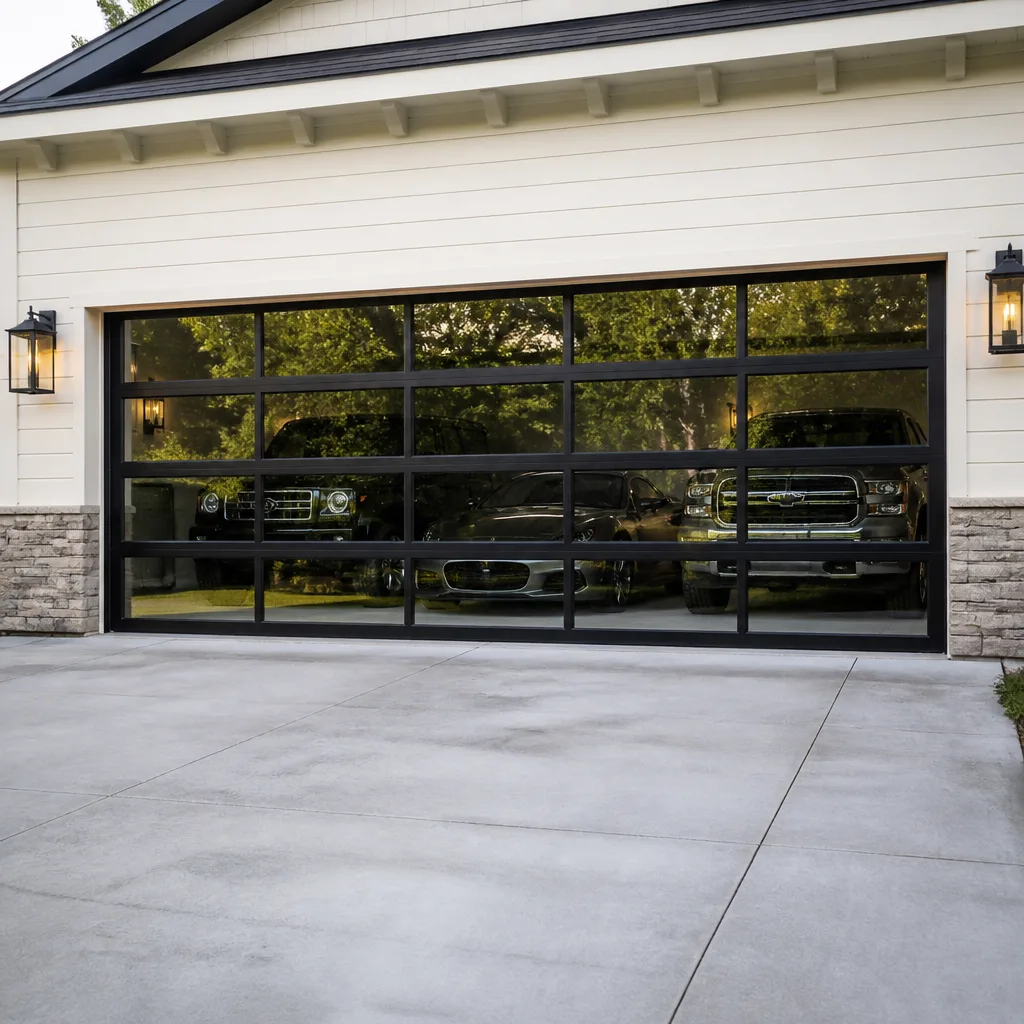 Full-view glass
 LiftMaster openers
 Chamberlain openers
Full 25-point door and opener safety check with every visit - springs, cables, rollers, tracks, and your LiftMaster or Chamberlain opener included
You get a price before we start. It does not change when the pro arrives.
Get your free estimateDIY vs Professional Garage Door: The Highlands Homeowner’s Decision Guide
Most garage door problems are not one problem. They’re a stack of small, specific tasks, and each one has a different risk profile. That’s the part the internet usually skips. You’ll find a video showing a homeowner swapping a spring in ten minutes and feel ready to try it. What the video doesn’t show is the part where a torsion spring under tension lets go, or the opener’s plastic gears strip because a door was forced. This guide sorts garage door work into three honest buckets: safe for you, manageable with care, and professional only. We’ll map out what’s genuinely DIY in Highlands’ cold, high-altitude conditions, where caution and precision matter more than they do at sea level.
Quick Answer
Lubrication, visual inspections, remote reprogramming, and clearing simple obstructions are safe DIY tasks for most homeowners. Spring replacement, cable work, and track realignment are professional-only, no exceptions, because those components store and release dangerous force. Panel alignment and opener installation sit in the middle: doable if you have real tools, patience, and a second set of hands, but easy to get wrong. When in doubt in Highlands, call a specialist rather than guess.
Styles & brands we work with
- Raised-panel steel
- Carriage house
- Modern flush
- Full-view glass
- LiftMaster openers
- Chamberlain openers
Table of Contents
- The Task-by-Task Decision Matrix
- What’s Genuinely Safe to Do Yourself
- Springs and Cables: The Professional-Only Line
- Borderline Tasks: Panels and Openers
- How Highlands Cold and Altitude Change the Math
- The Real Cost of a DIY Mistake
- How to Work With a Pro (Even When You Want to DIY)
- Common Mistakes to Avoid
- Frequently Asked Questions
The Task-by-Task Decision Matrix
The fastest way to decide is to match your job to a tier. We’ve laid out the full picture below, but here’s the short version: three tiers, clear lines, no gray areas on the dangerous stuff.
Tier 1 – Safe for most homeowners:
- Lubricating hinges, rollers, and tracks with a garage-door-specific lubricant
- Visual inspection: looking for frayed cables, worn rollers, bent tracks, and spring wear
- Reprogramming remotes and keypads, or re-syncing a Wi-Fi opener to your home network
- Clearing debris from the door’s path or from the photo-eye sensors
- Replacing a battery in a remote or wall control
- Tightening loose hinge bolts with a socket wrench (hand-tight only, never over-torqued)
Tier 2 – Manageable with care and the right tools:
- Adjusting a limit switch on the opener travel
- Replacing a single panel on some door models
- Minor track adjustment when a door binds on one side
- Installing a new opener on an existing, properly balanced door
Tier 3 – Professional only:
- Replacing torsion or extension springs
- Replacing or re-tensioning cables
- Realigning a track after a door has come off it
- Replacing a bottom bracket or drum
- Any repair on a door resting under tension
That third tier isn’t a sales tactic. It’s where the injuries happen. We work on doors across Highlands every week, and the spring and cable jobs stay in the pro column for a reason.
What’s Genuinely Safe to Do Yourself
Plenty of garage door maintenance is safe, cheap, and worth doing yourself. Lubrication is the simplest one. A garage door has hinges, rollers, and a track that all want a thin coat of garage-door lubricant once or twice a year. Not WD-40, which attracts dust and thins out fast. A proper white lithium or silicone-based lube keeps the rollers turning and quiets the door. It takes fifteen minutes.
Visual inspection is the other safe job. Stand back and look. Here’s what to check:
- Cables: look for fraying, kinks, or rust. Cables run along the sides and wrap around drums, so you can see them without touching them.
- Springs: with the door closed, look for visible gaps, uneven coils, or heavy rust on a torsion spring. On extension springs, look for stretched or broken safety cables running through the middle.
- Rollers: wobbling or flat-spotted rollers are a maintenance item, not an emergency.
- Track: a dented or bent track section is a red flag, especially if the door has been hit.
- The door itself: open and close it and listen. Grinding, scraping, or a door that jerks is telling you something.
Remote and keypad reprogramming is also fair game. On a LiftMaster or Craftsman opener, that’s usually a matter of holding the learn button and pressing the remote button. Smart openers add a step, but it’s still a homeowner job. The one rule: if a task involves tools on a component that’s under tension, stop and call.
Springs and Cables: The Professional-Only Line
A torsion spring stores enough energy to move a door weighing a few hundred pounds. When it releases under tension, it releases all at once. That’s why spring replacement is the one task we’ll never talk a homeowner through, and why we offer garage door spring repair as a core service rather than a side task. It’s high-skill, safety-critical work, and the injury record on DIY spring jobs is not coincidence.
The tools matter too. Winding a torsion spring correctly requires proper winding bars, an understanding of the turns required for your door’s weight and height, and a controlled two-bar procedure. Get one turn wrong and the door either won’t lift or slams down. Get the bar slip wrong and you or someone nearby gets hurt.
Cables have a related but different danger. A single steel cable is under the tension of the spring, and it’s routed through drums and brackets. Replacing one means unwinding the tension first, which means you’re back to spring work. There’s no shortcut that avoids this.
What you can do safely: recognize the signs and call. A gap in a torsion spring, a door that lifts a few inches and stops, a loud bang from the garage (that’s a broken spring announcing itself), or a door that’s gone crooked and won’t close are all signs to stop operating the door. The local pro is licensed and insured as their state requires. We’d rather you call than test your luck with a spring.
Borderline Tasks: Panels and Openers
“Intermediate DIY skill” gets thrown around a lot online. Here’s what it actually needs to mean for garage door work.
Panel replacement. A single damaged panel on a Clopay or Wayne Dalton door can sometimes be swapped without disassembling the whole door, but the process is fiddly. You need to know whether your door’s panels are held by hinges or by the track’s brackets, the correct panel order for the model, and how the door balances afterward. A panel installed in the wrong position can throw off the door’s balance and load the opener. If the door has any age, panel matching is also a problem: door styles change, and a new panel may not line up perfectly with old ones. A professional can source the right panel and check the balance after installation.
Opener installation. Replacing an existing opener with a new one on a balanced door is manageable for a careful homeowner. The work involves mounting the rail, hanging the motor, connecting the travel arm, and wiring the safety sensors. That’s a few hours of work with a second person. What trips up DIYers is calibrating the opener’s force and travel limits properly. An opener set too aggressive can damage the door; one set too cautious won’t lift it. Newer smart openers add Wi-Fi setup steps. If your opener is a LiftMaster or Chamberlain with MyQ, or a Genie with Aladdin Connect, the setup is well-documented, but the door still has to physically meet the opener halfway. If you’re replacing a broken opener on a door that’s already out of balance, get the door checked first.
We get calls for both of these when a DIY attempt stalls out. That’s fine. We’d rather finish a job you started than repair a mistake made under pressure. If you’d prefer to have a specialist handle the heavier lifting, our garage door installation service covers new doors and openers from start to finish.
How Highlands Cold and Altitude Change the Math
Highlands sits high and cold. That combination changes what a garage door has to do to work.
Cold metal behaves differently. Steel contracts in low temperatures, so springs and cables that felt “about right” in summer carry more static tension in winter. A spring already close to its end of life is more likely to break on the first cold morning. That’s not a homeowner fix; it’s a call.
Lubricant thickens. Generic grease that flows freely in summer turns to sludge at 10 degrees, and rollers that need to turn smoothly start grinding. A thinner, cold-rated garage-door lubricant matters here more than it would in a milder climate. This is a safe DIY upgrade that helps immediately.
Photo-eye sensors fog up or get snow-covered. Many “my door won’t close” calls in Highlands during winter are a snowdrift or frost on the sensor. Clearing it is five minutes and completely safe. Before you call, look.
Altitude affects opener force calibration. A door’s balance is more sensitive when temperature swings are large, and an opener that was set on the edge of its force limit in summer can trip its reverse safety feature in mid-winter. If your door reverses on its own in cold weather, that’s a signal to call rather than force it open.
Ice on the door’s seal. The bottom weather seal can freeze to the floor and pull loose when the door opens. That’s a replaceable part, but replacing the seal usually means dealing with the bottom bracket, which attaches to the cable assembly. Careful DIY work on the seal itself is possible, but the bracket end is a professional job. If your opener’s travel or force has been changed to compensate for ice, reset it before the damage compounds.
In our experience working on doors across Highlands neighborhoods, the cold-weather failures show a clear pattern: springs, seals, sensors, and lubrication. Knowing which one you’re facing makes the DIY-or-pro call easier.
The Real Cost of a DIY Mistake
The cost of a DIY mistake isn’t just the price of the part you broke. Here’s what actually adds up when a garage door repair goes sideways.
- A component warranty voided. Most door and opener manufacturers tie their warranty to professional installation or repair. Force a spring or tamper with an opener’s safety calibration, and the manufacturer may decline a claim.
- Collateral damage to the opener. A door that binds or comes off track under motor power puts all the strain on the opener’s gears, chain, or belt. A $20 part mistake can turn into an opener replacement.
- The door itself out of balance. A spring replacement done with the wrong turns or wrong spring weight leaves the door unbalanced. The door will wear out fast and the opener will strain constantly.
- Emergency call-outs on a weekend. If you try a spring on a Friday and stop halfway, the door is now stuck in your garage, and you’re calling a professional on short notice.
- Injury. This is the one that isn’t priced in dollars. Torsion springs have caused serious hand and arm injuries when they slip under tension. That risk is entirely avoidable.
The cheapest DIY job is the one you didn’t need to attempt. Our garage door repair service is priced per job, and the price is quoted and agreed before any work starts. What we quote is what you pay.
How to Work With a Pro (Even When You Want to DIY)
Some homeowners want to handle the safe work themselves and call a pro for the dangerous part. That’s a totally reasonable strategy, and it can save money if you prep the job well. Here’s how to make a service call count.
- Do the safe diagnostics first. Test the door by hand (with the opener disconnect pulled). Does it lift smoothly, or bind? Does it come up slowly and stop? Does it drop on one side? Write down what you find.
- Photograph the problem. A clear photo of a broken spring, a bent track, or a damaged panel saves a diagnosis step. It also makes it easier to get an accurate estimate over the phone.
- Note your brand and model. LiftMaster, Chamberlain, Genie, Clopay, Amarr, Wayne Dalton, Craftsman, and Raynor all have different part paths. Having your model number ready speeds up parts lookup and helps the pro confirm they can get what’s needed.
- Describe the symptom, not the diagnosis. “The door opens six inches and stops” is more useful than “I think the opener is broken.” Describe what the door does, not what you think is wrong.
- Clear the garage floor and the path to the door. The technician needs space to work and a way to safely raise and lower the door.
- Ask about parts on hand. A pro with parts supply on hand can often finish the job without a special order. We supply garage door parts directly, which cuts the gap between diagnosis and repair.
- Reset the opener before the visit if you’ve been fiddling with force or travel settings. Tell the technician you changed the settings. That’s important context.
If you’ve changed an opener’s calibration and the door is behaving oddly, that’s worth mentioning before the technician arrives. We’d rather know.
Common Mistakes to Avoid
- Treating a torsion spring like a stretchy garage-door part. It’s a stored-energy device. Homeowners who try to loosen or adjust it themselves are the ones who end up in urgent care. Springs are professional territory, full stop.
- Using generic lubricant. WD-40 and heavy grease both cause problems: WD-40 evaporates and attracts dust, and heavy grease thickens in Highlands cold and can stiffen the rollers. Use a garage-door-specific lubricant.
- Forcing a stuck door. If the door won’t lift smoothly, pulling harder on the opener or by hand puts the strain on the door itself, the opener, or your arms. Stop and get it checked.
- Adjusting opener force or travel without understanding the balance. An opener that’s been “fixed” by cranking the force up is now working against a door with a hidden problem. The door will fail earlier.
- Ignoring the safety reverse test. Every couple of months, put a roll of paper towels or a 2×4 in the door’s path and close the door. If it doesn’t reverse, the sensors or force limit need attention.
- Mismatching a new opener to an old door. A high-torque opener on a door that’s out of balance will damage the door fast. Match the opener’s power to the door’s weight and condition.
- Buying a part online before confirming fit. A panel or spring that looks right online may not match your door’s model or wear state. Matching panel styles on an older Clopay or Wayne Dalton door, in particular, requires care. Confirm fit first, then buy.
See the difference
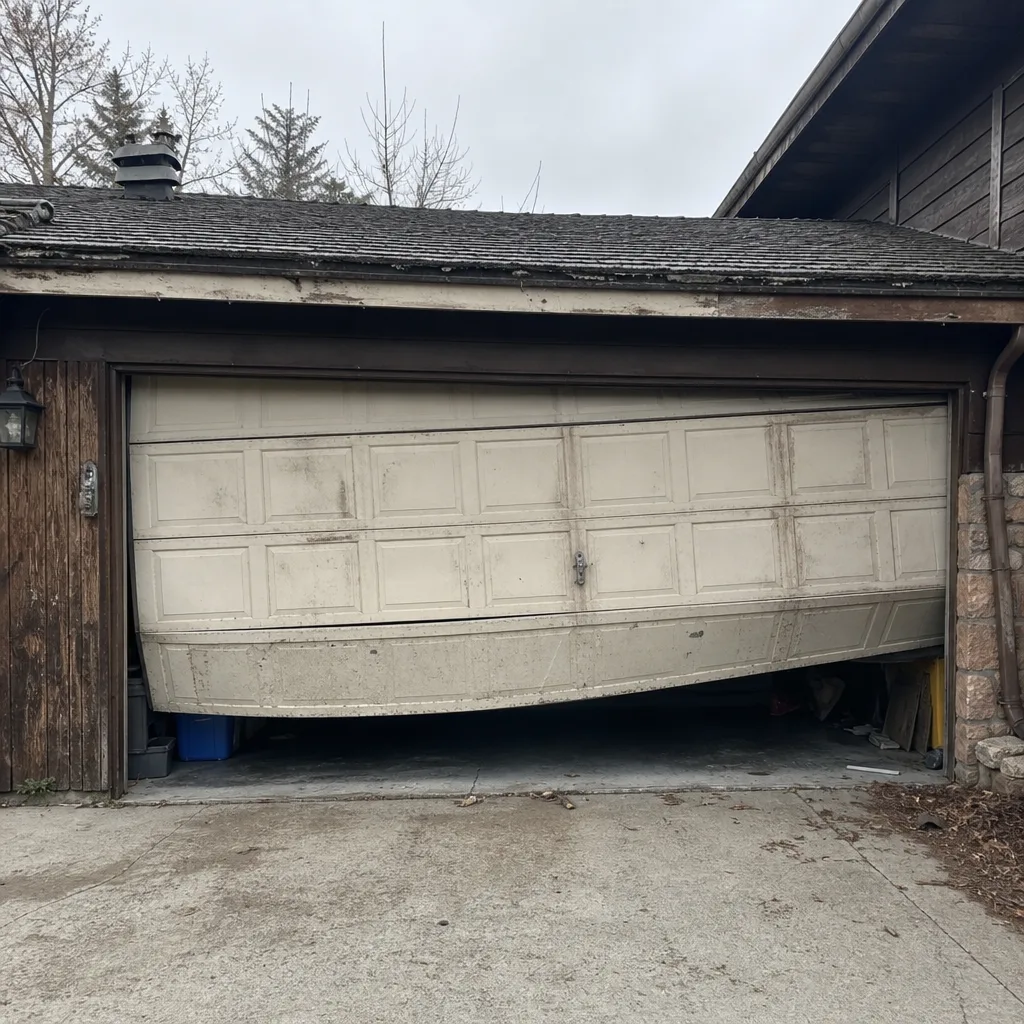 Before
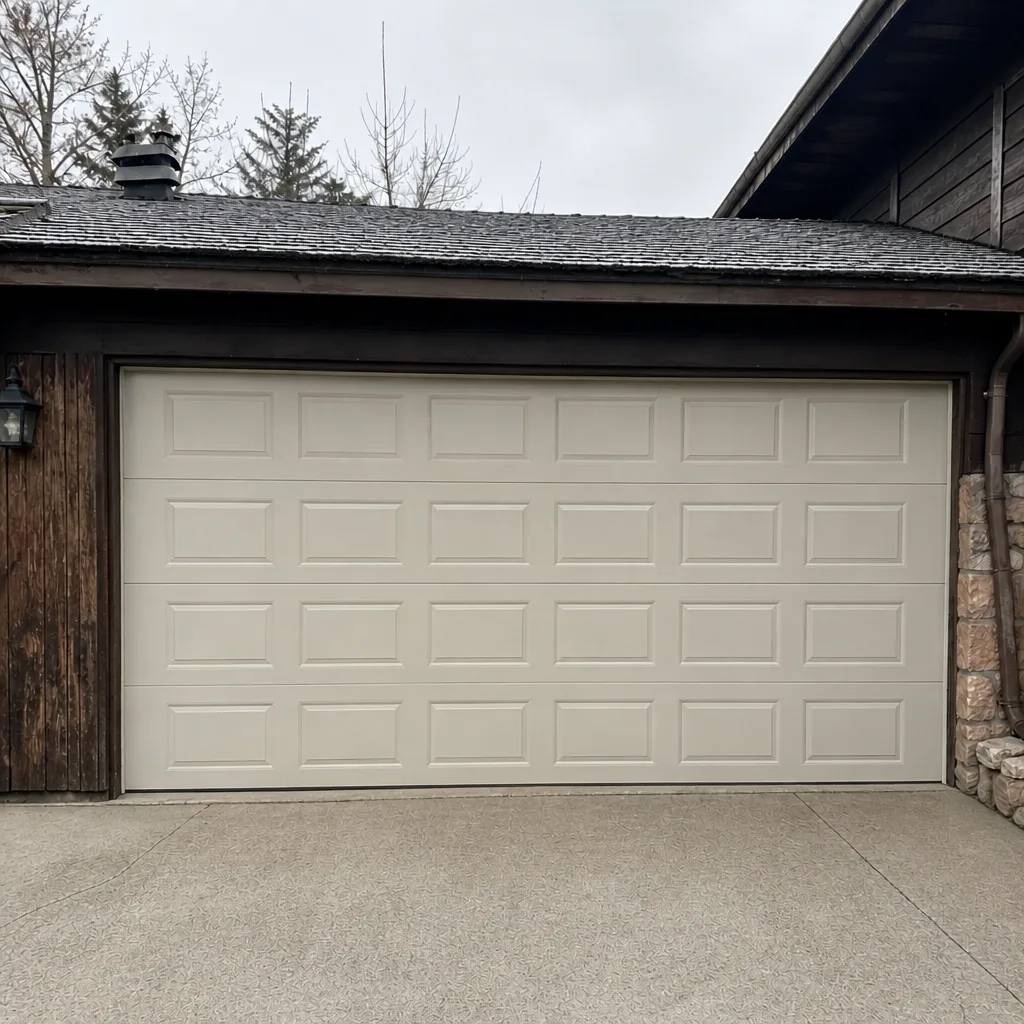 After
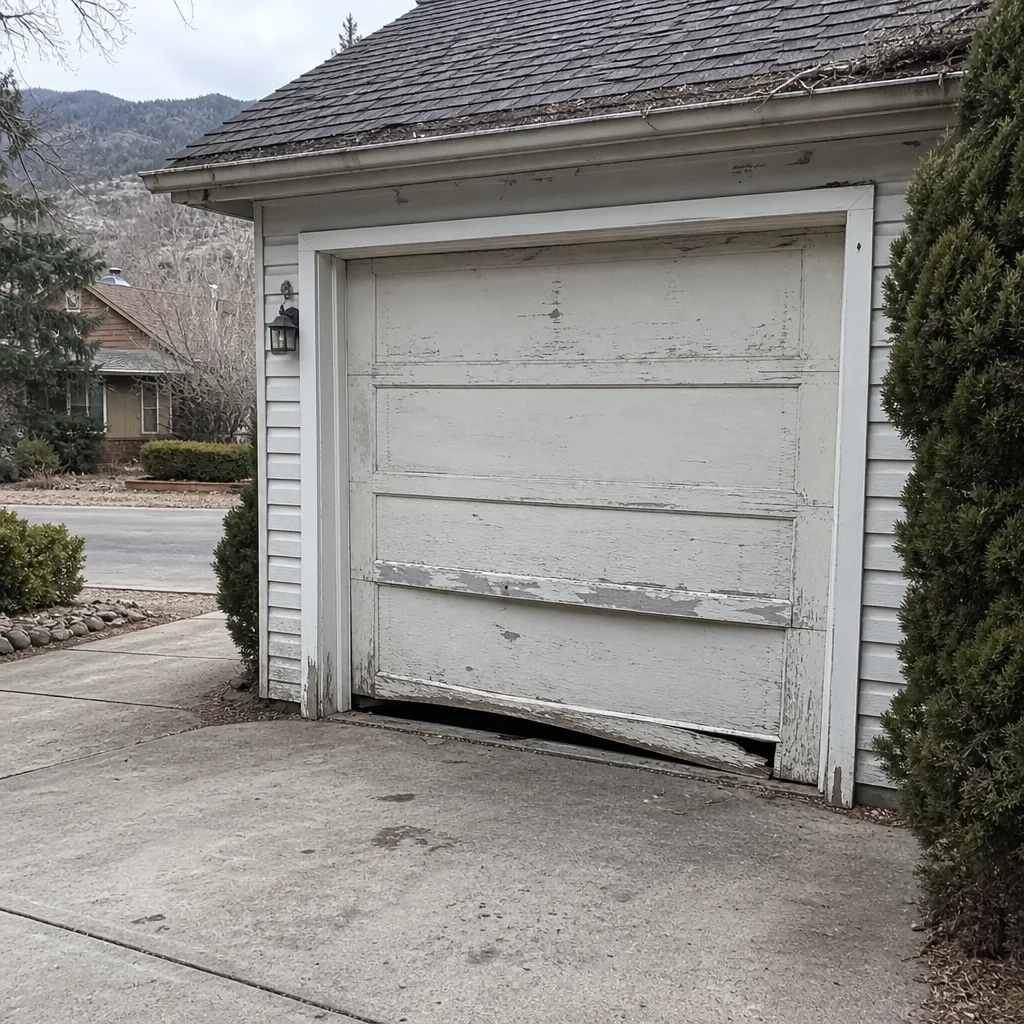 Before
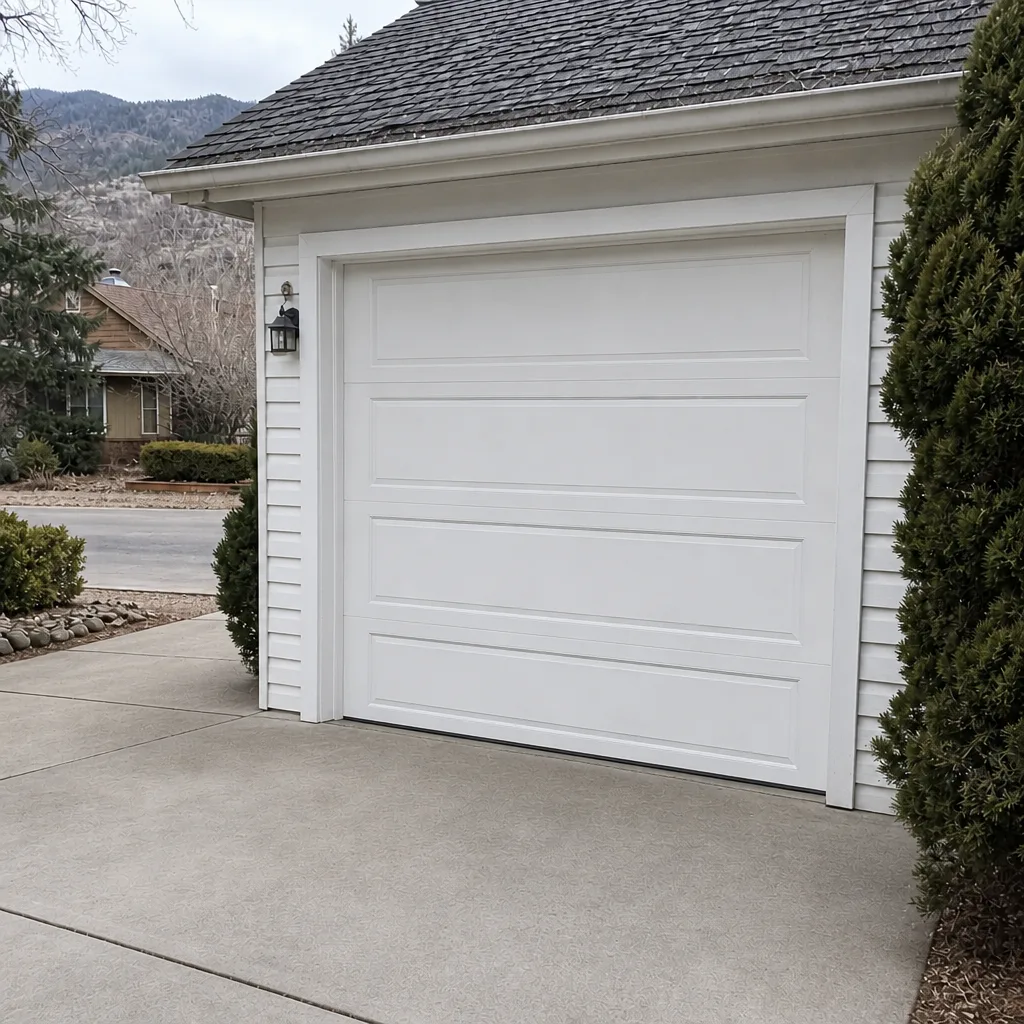 After
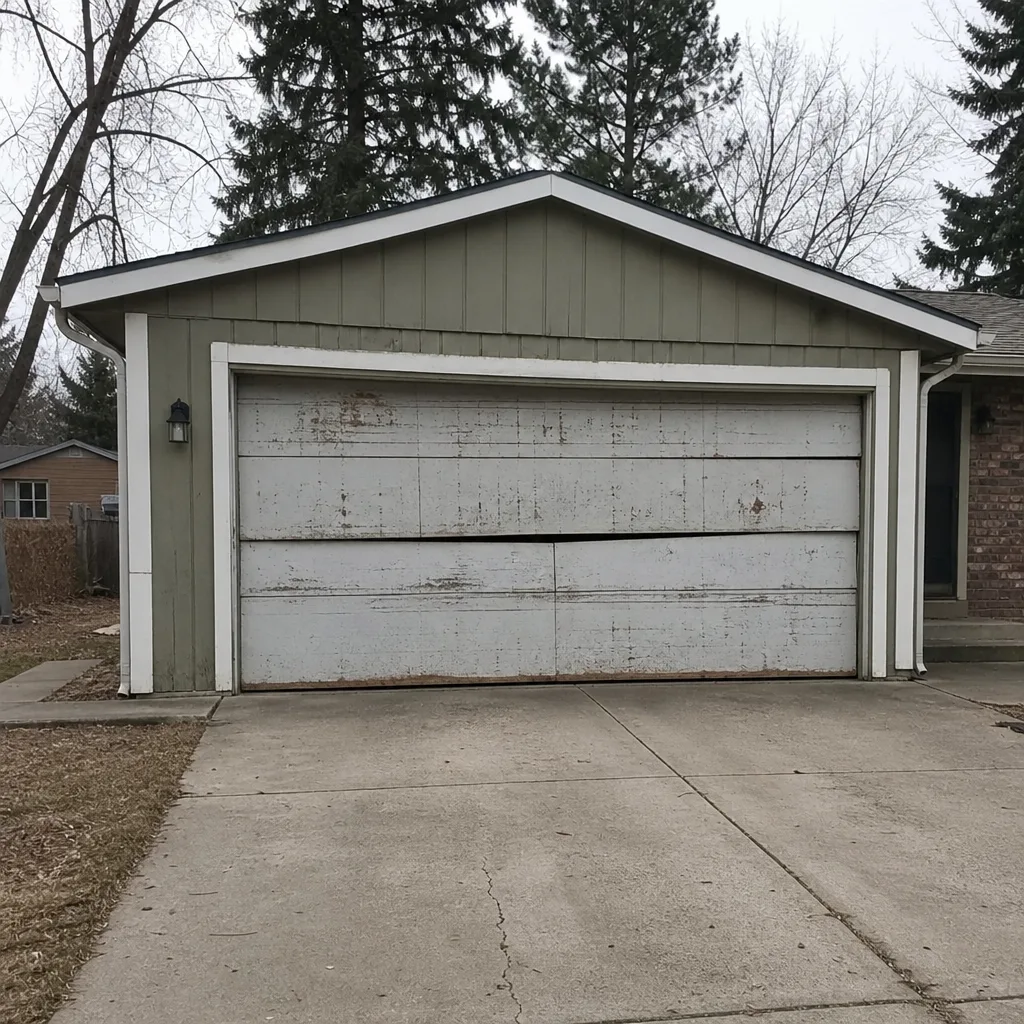 Before
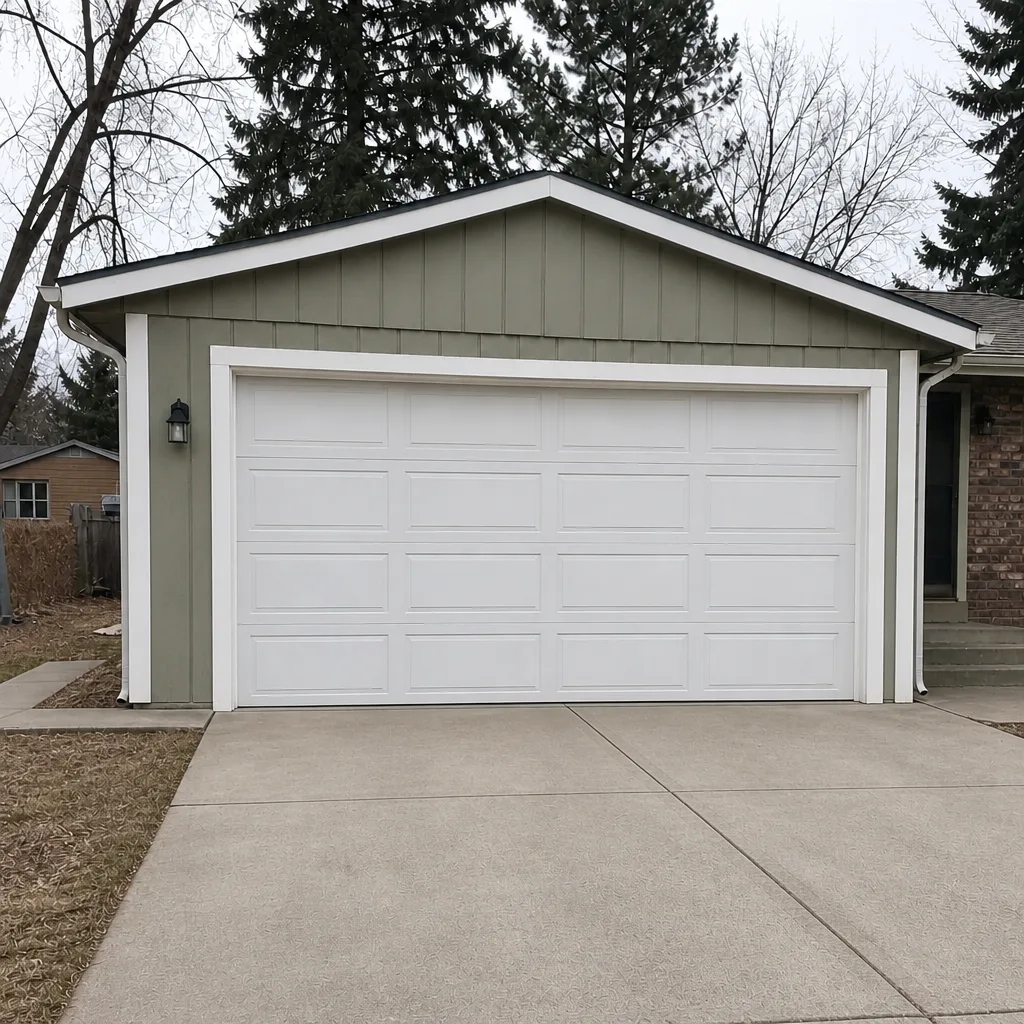 After
When to Call a Professional
Call a professional if any of these are true: your door has a broken or failing spring, you see a frayed or slack cable, the door has come off its track, the door is unbalanced (opens crooked or slams down), you hear a loud bang from the garage, or your opener reverses or stops short even after you’ve cleared the sensors and checked for obstructions. Also call if you’re not sure. Our technicians have up to 9 years of experience, and the pro we connect you with is licensed and insured as their state requires. We work on LiftMaster, Chamberlain, Genie, Clopay, Amarr, Wayne Dalton, Craftsman, and Raynor equipment, so you’re unlikely to hear “we don’t work on that brand.” Highlands Garage Door Repair Pros offers free estimates in Highlands. Call (877) 492-1832. We answer 24/7. Fast dispatch from 7am to 7pm, Sunday through Friday.
Frequently Asked Questions
No. Torsion and extension springs store dangerous energy under tension, and a slip during replacement can cause serious injury. Spring work requires the right winding bars, correct spring weight matching for your door, and a controlled procedure. This is the one task we won’t talk a homeowner through. The local pro is licensed and insured as their state requires. Call (877) 492-1832 for an exact quote – estimates are free.
Spring replacement is quoted per job, and the written estimate sets the final price. We don’t publish a flat range because the cost depends on spring type, door weight, and whether it’s a single spring or a matched pair. Call us with your door’s height and weight and we can give you a realistic number before anyone comes out. Estimates are free.
In most cases, yes. We answer 24/7, and we dispatch from 7am to 7pm, Sunday through Friday. A call outside dispatch hours is booked into the next opening. If your car is blocked in or your door won’t close, call (877) 492-1832 and we’ll get a technician scheduled.
The price is quoted and agreed before any work starts. If the technician finds something that changes the job, for example a bent track hidden behind the door’s travel path, they’ll tell you before any work proceeds and you can decide. We don’t add charges after the fact.
Yes, on a balanced door with the right tools and a helper. Opener installation involves mounting the rail, hanging the motor, connecting the travel arm, and calibrating force and travel limits. It’s a manageable DIY job if you’re methodical. If the door itself is out of balance or making noise, get the door checked first; a new opener won’t fix a door problem. If you’d rather not, we handle garage door opener repair and installation.
They raise the stakes more than they change the rules. Cold contracts metal, thickens lubricant, and stresses springs already near end of life. Photo-eye sensors and bottom seals are more likely to freeze or fog. Safe DIY jobs (lubrication, sensor clearing, visual inspection) still apply, but any spring, cable, or track issue needs a pro. Call (877) 492-1832 if you’re not sure what you’re looking at.
The Bottom Line
The DIY-versus-pro question for garage doors doesn’t have one answer. It has a per-task answer, and the honest split is: lubrication, inspection, remote setup, and sensor clearing are yours; springs, cables, and track realignment are professional-only; panels and opener installation are possible with real care and the right tools. Highlands cold raises the stakes on all of it, especially springs and seals. If you’re ever unsure, call. We’d rather answer a ten-second question than repair a DIY mistake. For more on the full service range, start at Highlands Garage Door Repair Pros. Call (877) 492-1832 for a free estimate. We answer 24/7, with fast dispatch from 7am to 7pm, Sunday through Friday.
Written by the team at Highlands Garage Door Repair Pros.