
Last updated November 21, 2026
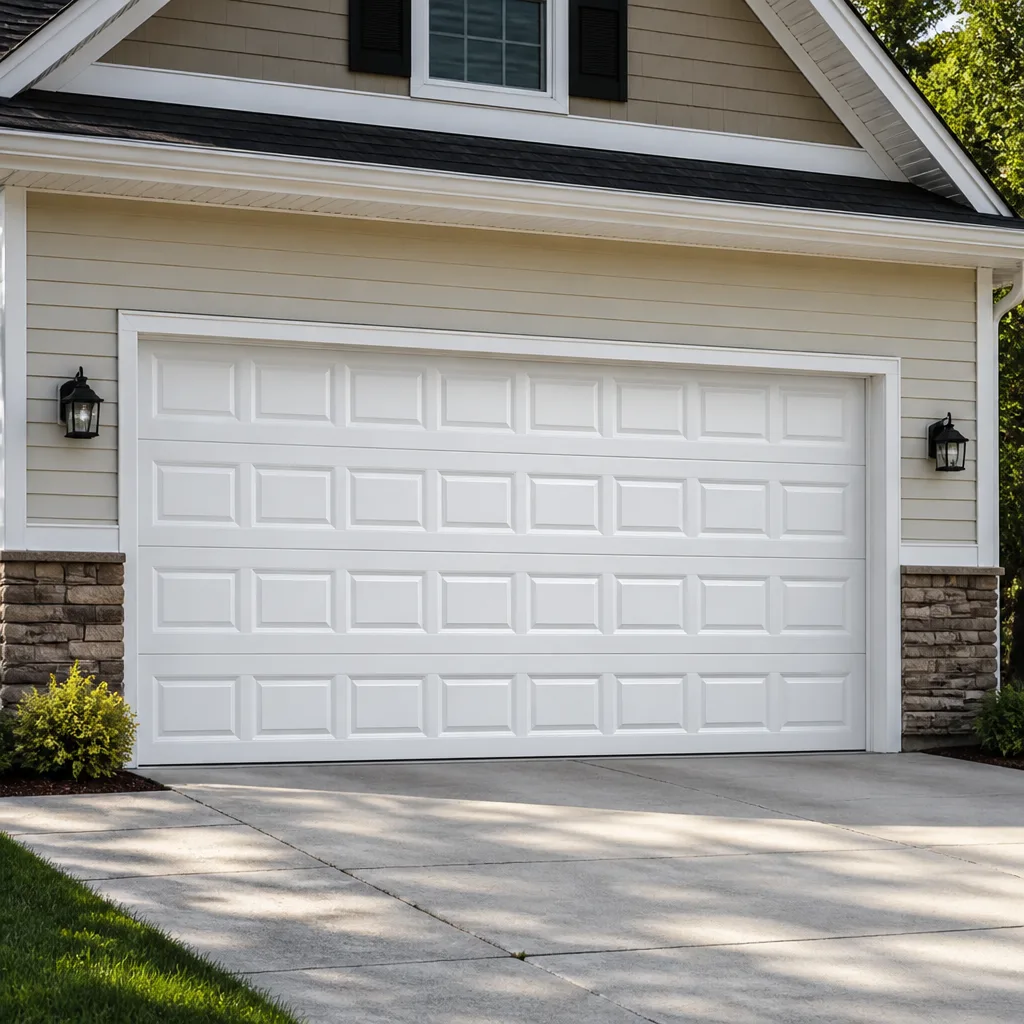 Raised-panel steel
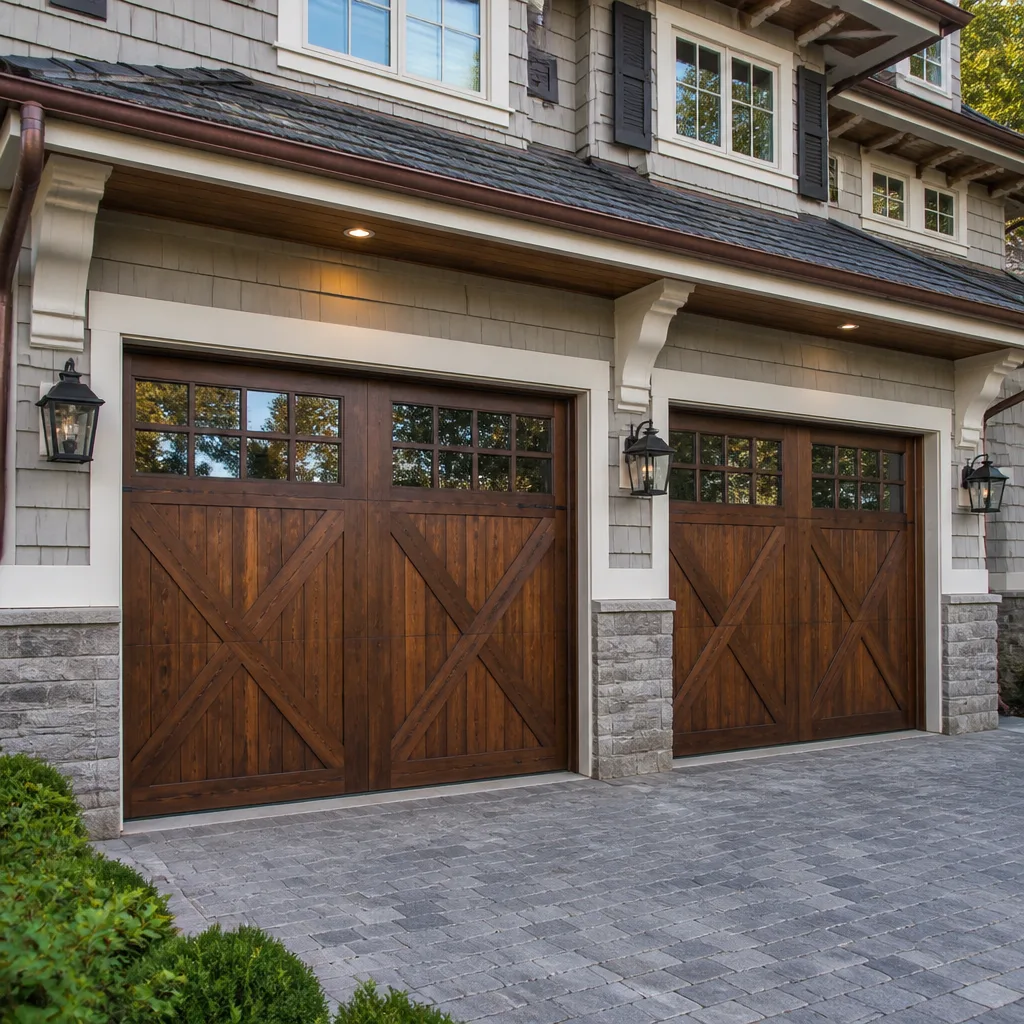 Carriage house
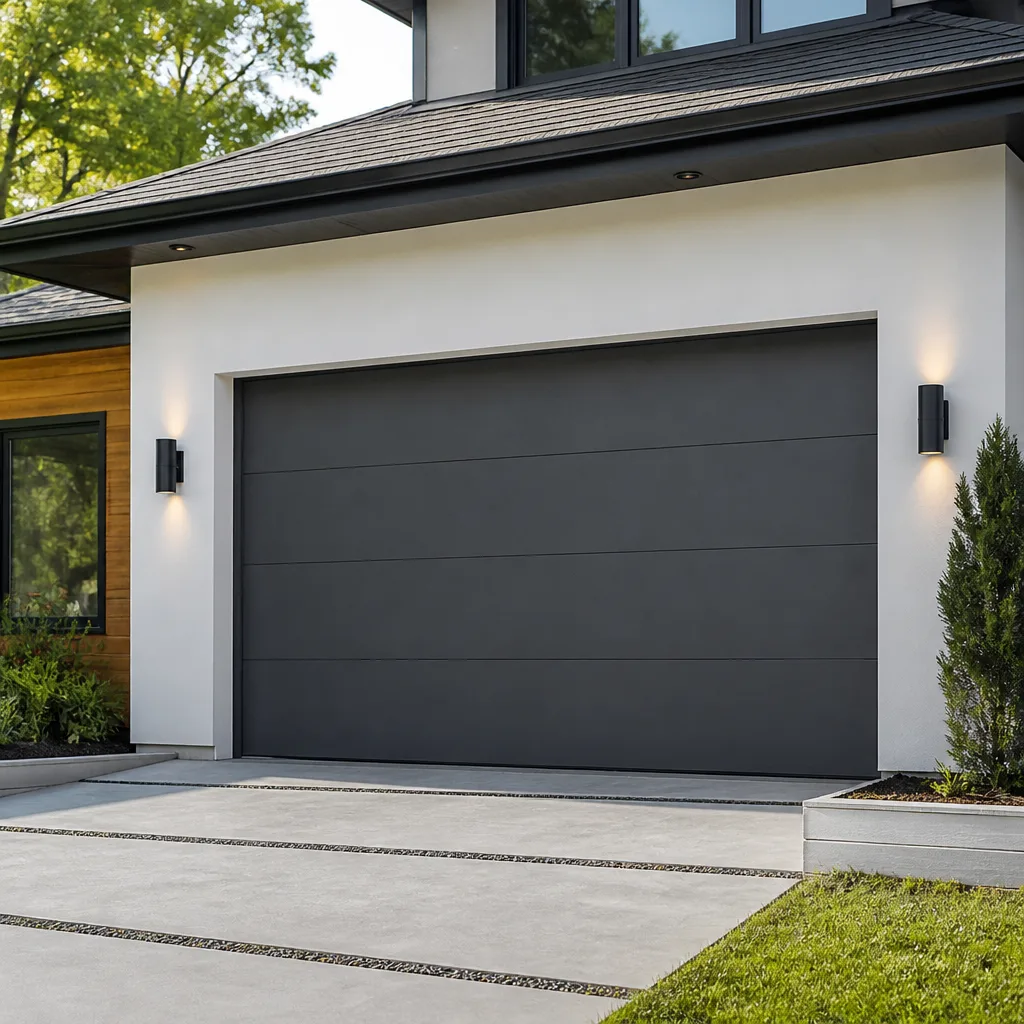 Modern flush
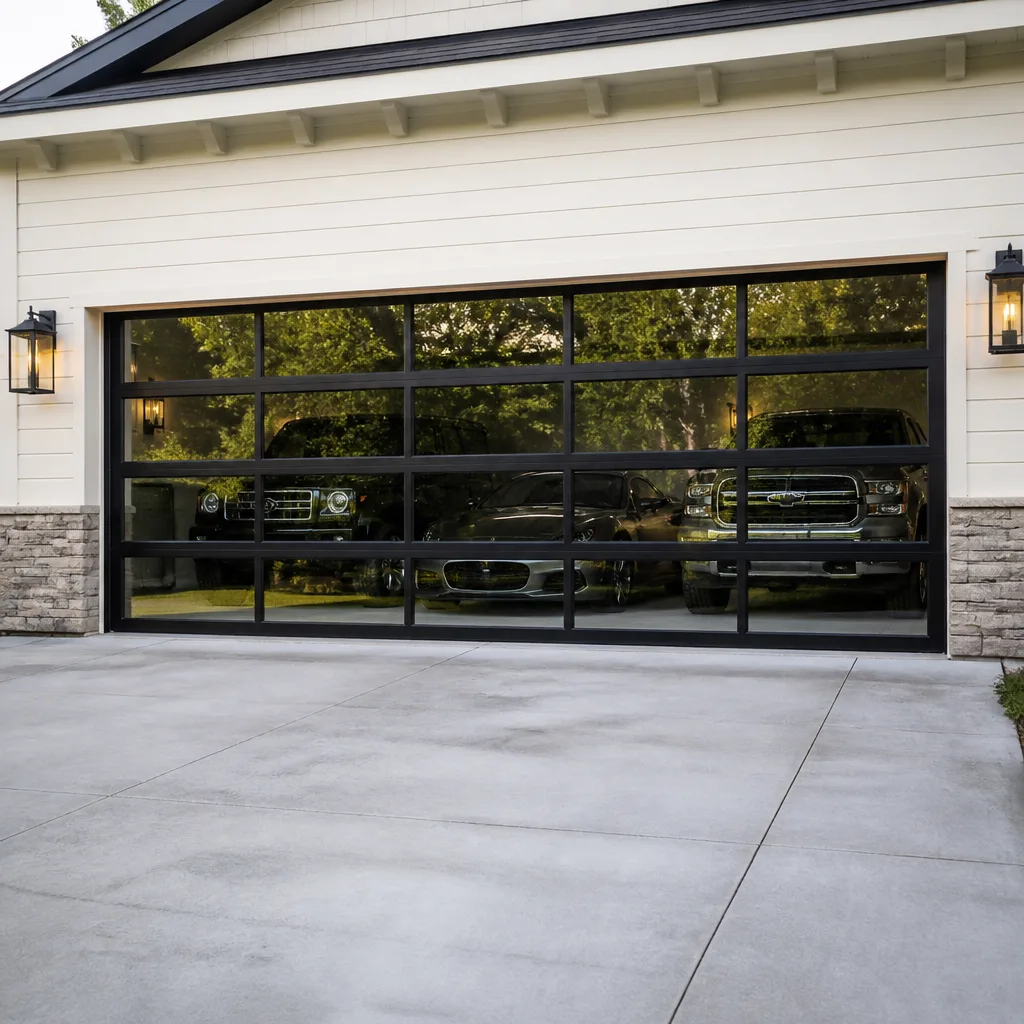 Full-view glass
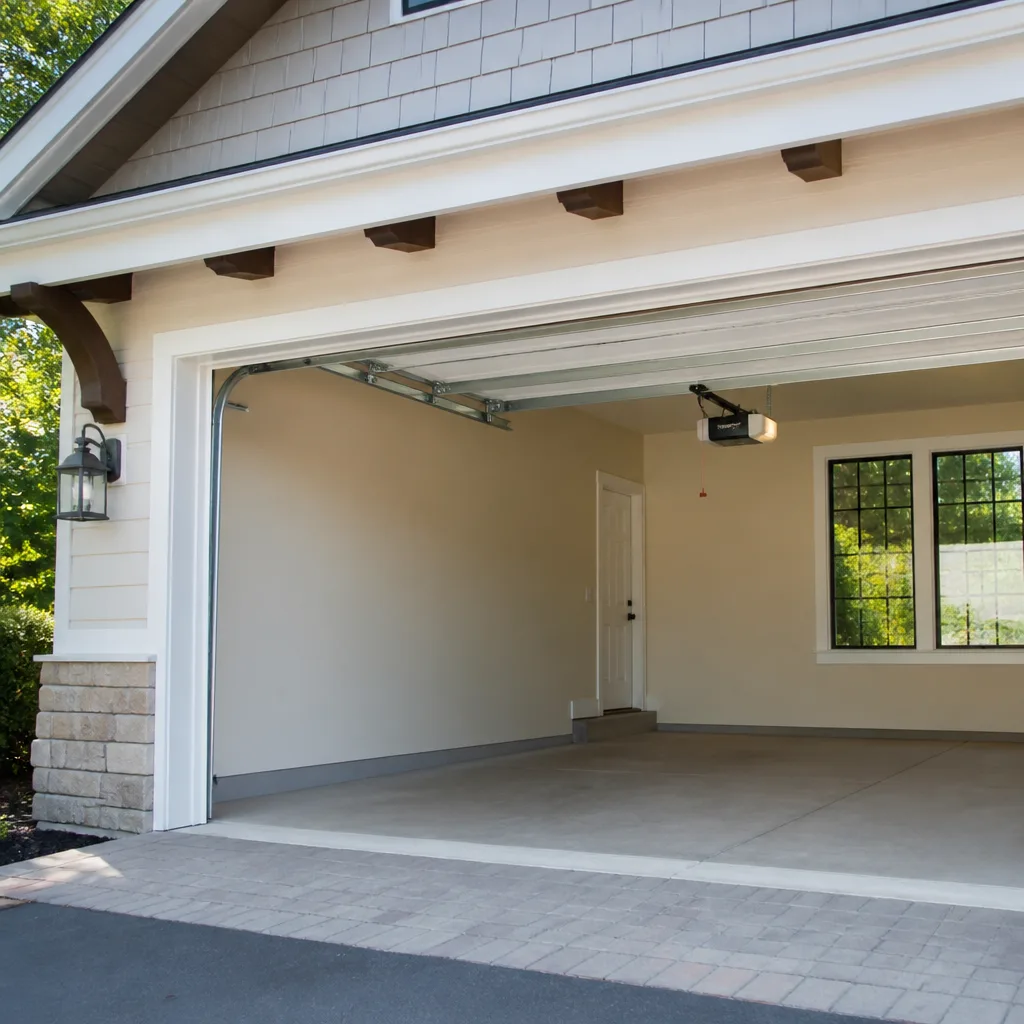 LiftMaster openers
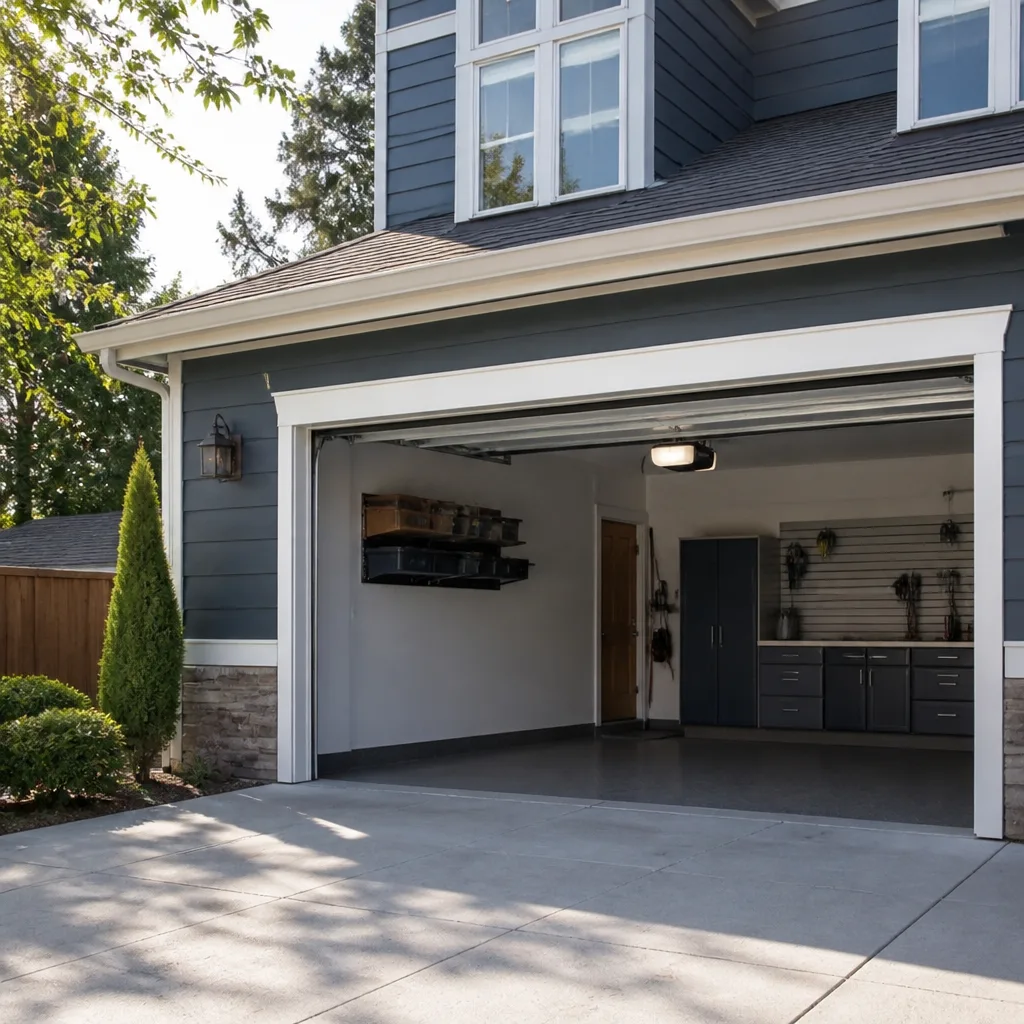 Chamberlain openers
Full 25-point door and opener safety check with every visit - springs, cables, rollers, tracks, and your LiftMaster or Chamberlain opener included
You get a price before we start. It does not change when the pro arrives.
Get your free estimateGarage Door Permits, Codes & Inspections in Highlands, CO: What You Need to Know
Garage door permits are the most commonly skipped residential permit in Colorado mountain communities, and they tend to surface at the worst possible moment: during a real estate transaction, when an unpermitted replacement door triggers a correction notice from the buyer’s inspector or the title company. The counterintuitive part is that the projects most likely to fall under a permit requirement aren’t the dramatic ones. A spring swap doesn’t touch the building envelope. A door replacement does, and so does anything that changes the structure, the electrical supply to an opener, or the wind rating of a door exposed to Front Range gusts. This guide maps the actual regulatory landscape for Highlands, CO so you know where that line sits, what the state’s energy code asks of a new installation, how Highlands-area HOA covenants can stack on top of building codes, and how to keep a paperwork gap from complicating a sale.
Quick Answer
In Highlands, CO, a garage door replacement that is like-for-like (same size, same opening, same material and use) is typically treated as ordinary repair and usually does not require a building permit, while any project that changes the structural framing, enlarges or raises the opening, alters the electrical circuit feeding an opener, or changes the door’s code-rated performance generally does require one. Spring, cable, roller, panel and track repairs are maintenance and fall outside the permit process. Highlands-area HOA covenants can impose stricter aesthetic and material standards than the county code, so check your HOA rules before ordering a door.
Styles & brands we work with
- Raised-panel steel
- Carriage house
- Modern flush
- Full-view glass
- LiftMaster openers
- Chamberlain openers
Table of Contents
- When a Garage Door Project Needs a Permit in Highlands, CO
- Colorado Energy Code and the New-Door Installation
- The HOA Overlay: Why Highlands Rules Can Be Stricter Than Code
- What Happens If You Sell a Home With an Unpermitted Door
- Pulling the Permit Yourself vs. Letting Your Contractor Pull It
- What a Garage Door Inspection Actually Looks At
- Wind, Elevation and the Highland’s Climate: Local Factors in a Door’s Performance
- Common Mistakes to Avoid
When a Garage Door Project Needs a Permit in Highlands, CO
The permit question splits cleanly along one line: does the work change the building, or does it restore the building? A like-for-like replacement of an existing door is the gray zone, and in most Colorado jurisdictions the deciding factor is whether the new door changes the opening’s size, structural support or the building’s code-rated thermal and wind performance. If the frame stays put, the tracks mount in the same place, and the door matches what was already there, most homeowners are describing routine repair. If anything about the framing, header or opening changes, you’re describing an alteration, and alteration work in Highlands and the surrounding county goes through the building department.
Here’s the practical breakdown we share with homeowners facing this exact decision:
- No permit usually needed: spring repair or replacement, cable and drum work, roller replacement, panel swap on the same frame, opener motor replacement, track adjustment, sensor alignment.
- Permit likely required: enlarging or raising the garage door opening, changing the header or framing to fit a wider or taller door, converting a carport or non-garage space into a garage, adding or rewiring a dedicated circuit for a new opener.
- Ask the building department: a full door replacement where the new door differs in material, weight class or insulation rating from what was there.
- Always ask: any door specified for its wind or impact rating, where the label and installation must match what was approved.
We don’t quote code sections or permit fees here because those numbers vary by jurisdiction and by the scope of the job, and they change. The one reliable step is a call to the Highlands building department with the door’s spec sheet in hand. Tell them the width, height, material, insulation rating and whether the opening is changing, and they’ll tell you in a couple of minutes whether you’re filing a permit or scheduling the work. Our team has seen this step skipped more often than any other, and it’s the one that saves the most trouble later.
Colorado Energy Code and the New-Door Installation
Colorado’s residential energy code sets minimum performance standards for the building envelope, and a garage door that separates conditioned space from unconditioned or exterior space is part of that envelope. In practice, this means a new door installation in Highlands is judged on two numbers: its U-factor (how fast heat moves through the door) and its R-value (how well it resists that flow). A thin, uninsulated door may have satisfied the rules when the house was built, but a new installation today is measured against current requirements.
What most homeowners don’t realize is how much the Highland’s climate reinforces this. Cold nights, strong temperature swings and snow load that pushes against a door’s bottom seal all make an insulated, well-sealed door a real energy item rather than a comfort luxury. The garage sits adjacent to living space in most Highlands homes, and an uninsulated door is a continuous heat loss path.
Here’s how this affects your project:
- Ask your door supplier for the U-factor and R-value documentation for any model you’re considering. Clopay and Amarr both publish this data by model.
- Confirm with the Highlands building department whether your project scope triggers the energy code review. Like-for-like swaps usually don’t; alterations and new construction usually do.
- Keep the spec sheet with your permit documents. Inspectors ask for it, and future buyers do too.
- Don’t mix performance ratings with structure. A door rated for wind resistance and a door rated for thermal performance are two different spec lines, and a new installation can require both.
If you’re still comparing door types before you get to the code questions, our garage door installation team can walk through the model options and the documentation each one carries.
The HOA Overlay: Why Highlands Rules Can Be Stricter Than Code
Building code is the floor, not the ceiling. Highlands-area HOA covenants frequently impose aesthetic and material standards the county code doesn’t care about: specific door styles, panel configurations, color palettes matched to the neighborhood, or a prohibition on certain window layouts in the top section. A door can pass every county inspection and still violate your HOA’s architectural rules.
The order of operations matters here, and it’s the opposite of what most homeowners assume:
- Read the HOA’s architectural guidelines or design review standards first, before you start shopping.
- Check whether your HOA requires an architectural review application and approval before work begins.
- Confirm the county’s permit requirement for the same project.
- Then order the door.
The reason for that sequence is simple: HOA approval is usually the slower of the two processes, and any change to the door spec after it’s ordered means delays, freight charges or a special-order situation. If your HOA specifies a particular panel style and you’ve already ordered a door that doesn’t match, you’re dealing with a return. Highlands HOAs often have design review committees that meet on a set schedule, so the earlier you submit the application, the sooner work can be scheduled.
Our team works on doors from LiftMaster, Chamberlain, Genie, Clopay, Amarr, Wayne Dalton, Craftsman and Raynor, which means the brand and model flexibility is already there. The information we need from you is the HOA spec, not a workaround.
What Happens If You Sell a Home With an Unpermitted Door
An unpermitted garage door replacement can surface during a real estate transaction and stall the sale until it’s resolved. The path isn’t dramatic, but it’s tedious: the buyer’s inspector flags a door that doesn’t match the permitted drawings, or the title company pulls the permit history and finds nothing for a project that should have had one, and the sale moves to a correction process. The seller then has to go back to the building department, file for a permit after the fact, schedule an inspection and pay whatever fees the jurisdiction requires.
Here’s what that process typically looks like:
- Discovery. The buyer’s inspector or the title company’s permit search surfaces the discrepancy.
- Title company notification. Often as a correction notice or an open permit item that must be closed before closing.
- Building department filing. A permit application for the completed work, with the door’s spec sheet attached.
- Inspection. The county inspects the installation, verifies headroom, clearances and connection to the opening, and approves or requires corrections.
- Corrections, if needed. If the installation doesn’t meet code, the fix could mean re-mounting, re-framing or replacing the door to a compliant model.
We can’t put a dollar figure on the correction process because fees and scope vary by job, and any number we’d give would be invented. What we can tell you is that the cost is always higher than the permit would have been, and the timing is always worse. A real estate closing has a deadline, and a permit correction usually doesn’t. We’ve seen Highlands homeowners get this right at installation time and avoid the entire problem later.
Pulling the Permit Yourself vs. Letting Your Contractor Pull It
Homeowners can pull a garage door permit themselves in most Colorado jurisdictions, and some do to save on the permit-holder markup. That’s a legitimate choice, and it’s also one where the liability follows the signature. When the homeowner is the permit holder, the homeowner is the one the county inspects, the one responsible for the installation meeting code, and the one who fields any correction notice. When a contractor pulls the permit, the contractor carries that responsibility, and the homeowner’s liability narrows to choosing a vetted professional.
The two paths look like this:
- Homeowner-pulled permit: you file the application, you sign as the responsible party, you schedule the inspection, and you handle any correction. The savings is real; the responsibility is too.
- Contractor-pulled permit: the contractor files, signs as the responsible party, schedules the inspection and carries insurance for the work. The permit is tied to the licensed professional doing the installation.
There’s a third consideration that rarely gets mentioned: if you sell the house and the county has a correction, the permit-holder is the one who answers for it. A permit held by a contractor who’s no longer reachable is a harder problem than one held by the homeowner who’s still living there. In our experience, the cleanest arrangement is a contractor who pulls the permit and provides the documentation package at completion – spec sheet, permit number, inspection sign-off – stored with the home’s records.
Our technicians have up to 9 years of experience, and we work with both arrangements. Whether you pull the permit or we do, we’ll walk you through which party signs what and what gets filed. It’s part of how we handle garage door repair and installation for Highlands homeowners.
What a Garage Door Inspection Actually Looks At
A garage door inspection for a permitted installation is not a service call. It’s a targeted check that the installed work matches the permitted drawings and meets the code standard for the opening. Inspectors focus on a defined list, and knowing it ahead of time is what keeps the inspection from turning into a correction notice.
The typical checklist:
- Door label. The door’s model and performance rating match the spec sheet on the permit.
- Opening dimensions. Width and height match the permitted drawings.
- Headroom and clearance. There’s enough space above the door and behind the tracks for the door to travel correctly.
- Mounting and fastening. Tracks are anchored correctly and the installation matches the manufacturer’s instructions.
- Opener circuit. Any new or altered electrical circuit is properly wired and connected.
- Safety devices. If a new opener was installed, the safety reversing system is functioning.
- Wind rating for rated doors. If the door carries a wind or impact rating, the label and bracing are verified.
Separately from a permitted inspection, there’s a service inspection, which is what you schedule when a door is getting heavier, slowing down, or making noise it didn’t make before. A service inspection looks at spring tension, cable condition, roller wear, track alignment, hinge play and balance. That’s the work our garage door repair team does on a normal schedule, and it’s what keeps a door from failing when you need it. The two inspections serve different purposes, and a passing county inspection doesn’t tell you whether you need new springs.
Wind, Elevation and the Highland’s Climate: Local Factors in a Door’s Performance
Highlands sits in an environment that puts real demands on a garage door. Strong Front Range wind, cold nights, big temperature swings across the day, and snow that packs against a door’s bottom seal all work on the door’s components continuously. Those aren’t reasons to skip proper permitting – they’re reasons to be specific about it. A door that’s rated for the wind and insulated for the cold is the one that satisfies both the code and the local reality.
The practical implications for a Highlands door project:
- Wind rating matters on exposed openings. A door on a garage facing an open lot or a downhill slope carries more wind load than one sheltered by the house. If your door has a wind rating, the label and bracing need to be installed to match it – and that’s exactly what an inspector checks.
- Insulation is an energy item, not a comfort one. The energy code review looks at U-factor and R-value, and that’s the same spec line that keeps the Highland’s cold out of a garage adjacent to living space.
- Bottom seal wear is seasonal. Snow packed against the seal through the winter, plus freeze-thaw, degrades it fast. If you’re replacing the door, new seals are part of the job.
- Spring tension is stressed by temperature. Cycle life on a torsion spring is affected by cold and by the door’s weight; a door that’s balanced correctly and not working against a stiff seal lasts longer.
Our team works on LiftMaster, Chamberlain, Genie, Clopay, Amarr, Wayne Dalton, Craftsman and Raynor equipment, so any brand specification you encounter through the county or the HOA isn’t an obstacle. For opener work specifically, our garage door opener repair covers both the LiftMaster and Chamberlain platform and the Genie platform, plus the legacy units many Highlands homes still run.
Common Mistakes to Avoid
- Assuming a like-for-like replacement is always permit-free. It often is, but not if the new door differs in weight, material or performance rating from what’s there. Ask the building department before ordering.
- Checking the county before the HOA. Highlands-area HOA architectural standards can be stricter than code. Read the HOA rules first, then check the permit requirement.
- Pulling the permit without understanding who’s signing as the responsible party. If you sign, you carry the liability. That’s fine as long as you know it going in.
- Ignoring the energy code on a new installation. U-factor and R-value documentation is asked for at inspection and again at resale. Keep the spec sheet with your permit documents.
- Treating a spring repair as a construction project. Spring replacement, cable work and roller replacement are maintenance. Don’t sidestep the county on an alteration, and don’t over-complicate a repair that doesn’t need a permit.
- Choosing a door brand your installer can’t service. It’s the paperwork you need to manage today; it’s the service record you’ll need to live with. We work on eight of the most common residential brands, including LiftMaster, Chamberlain, Genie and Clopay, so a serviced door stays serviced.
- Skipping the post-installation records. The spec sheet, permit number and inspection sign-off are the documents that close the book on the project. Without them, the question comes back at the sale.
See the difference
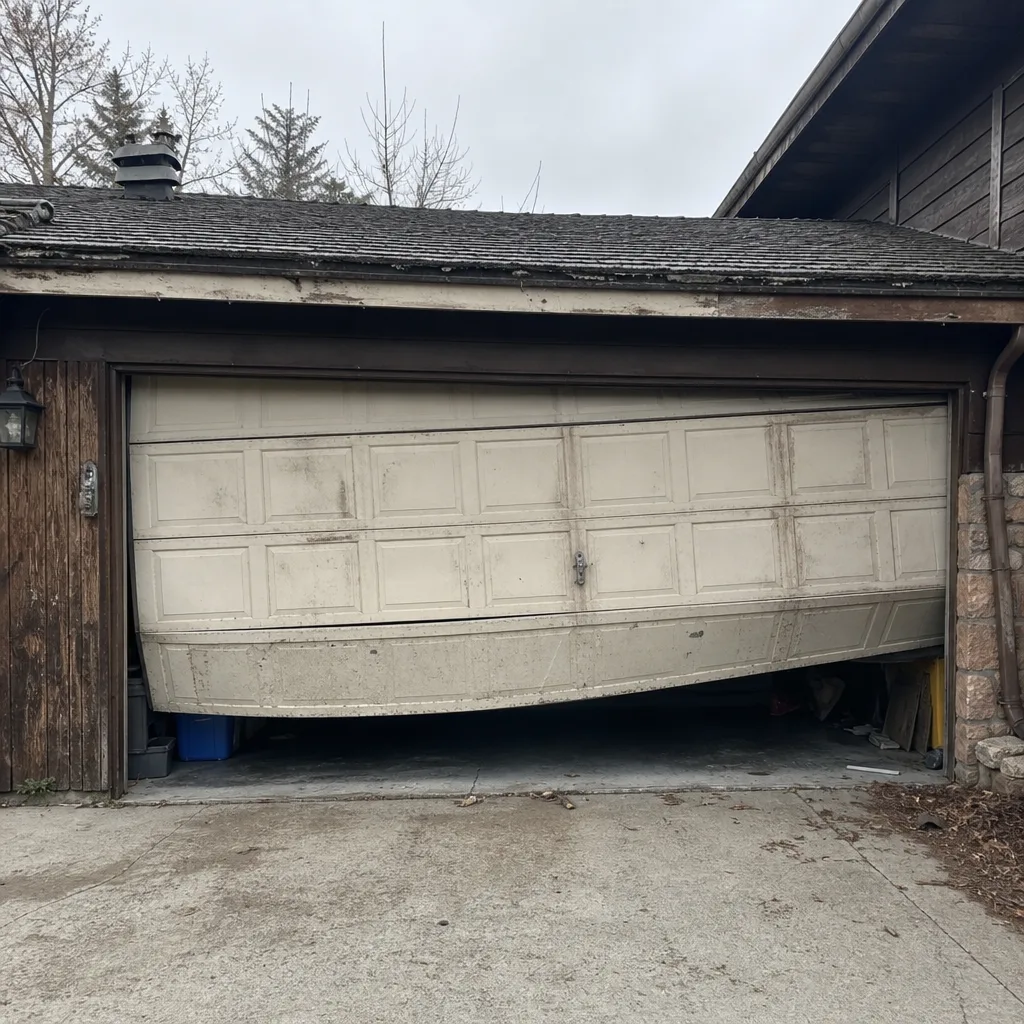 Before
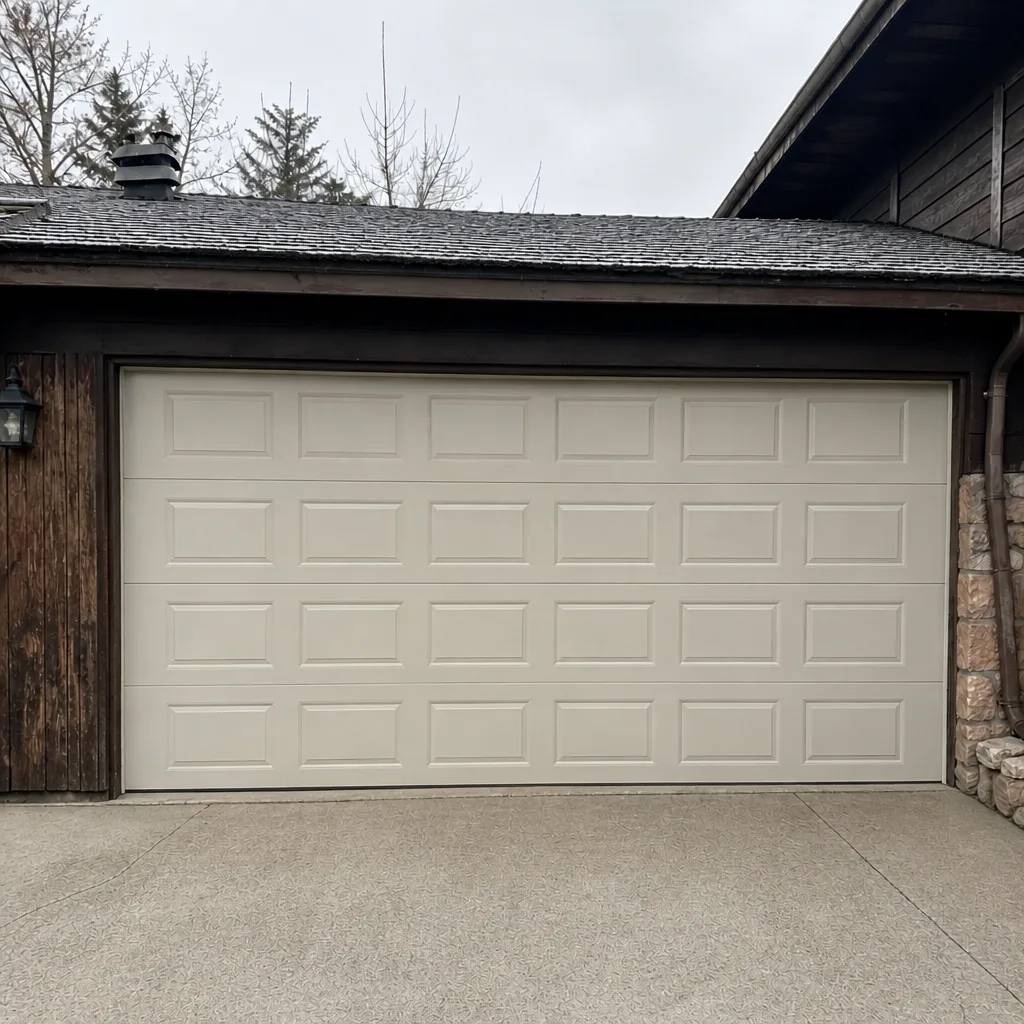 After
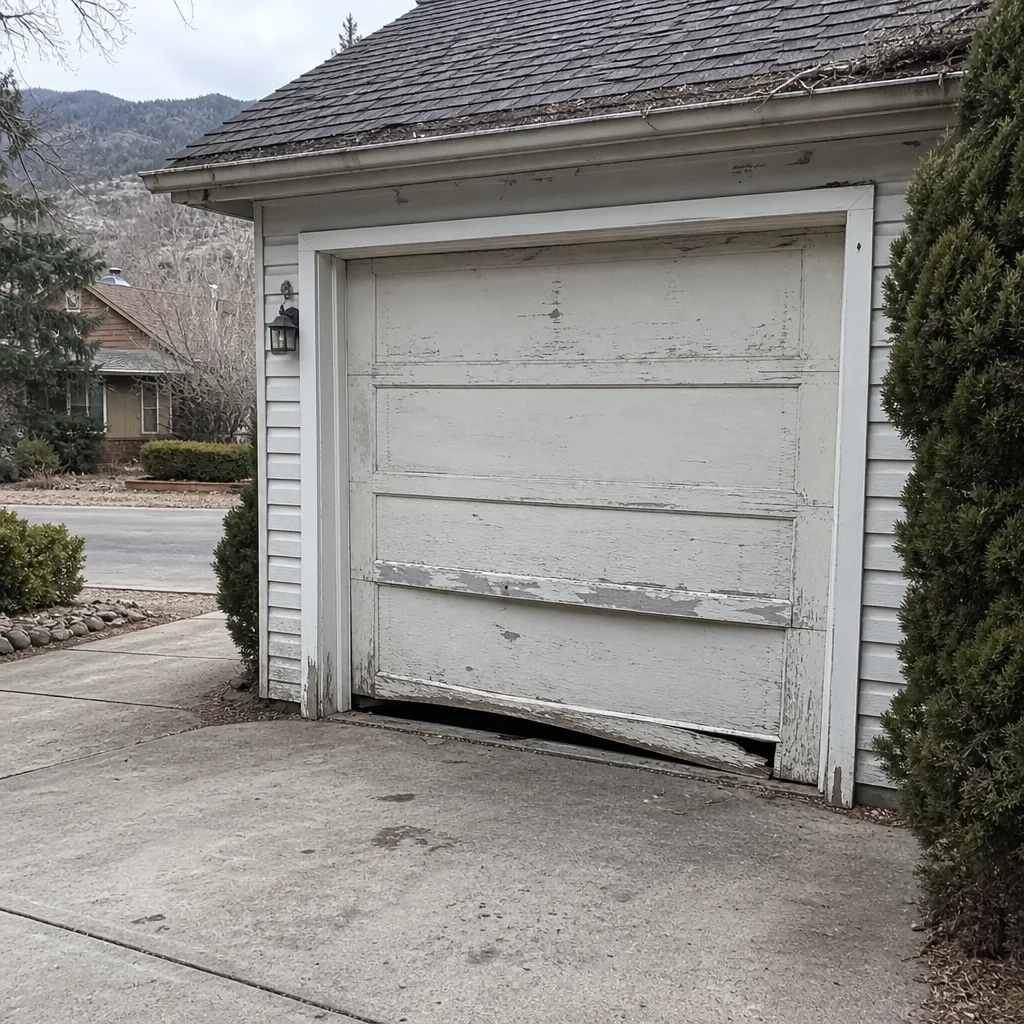 Before
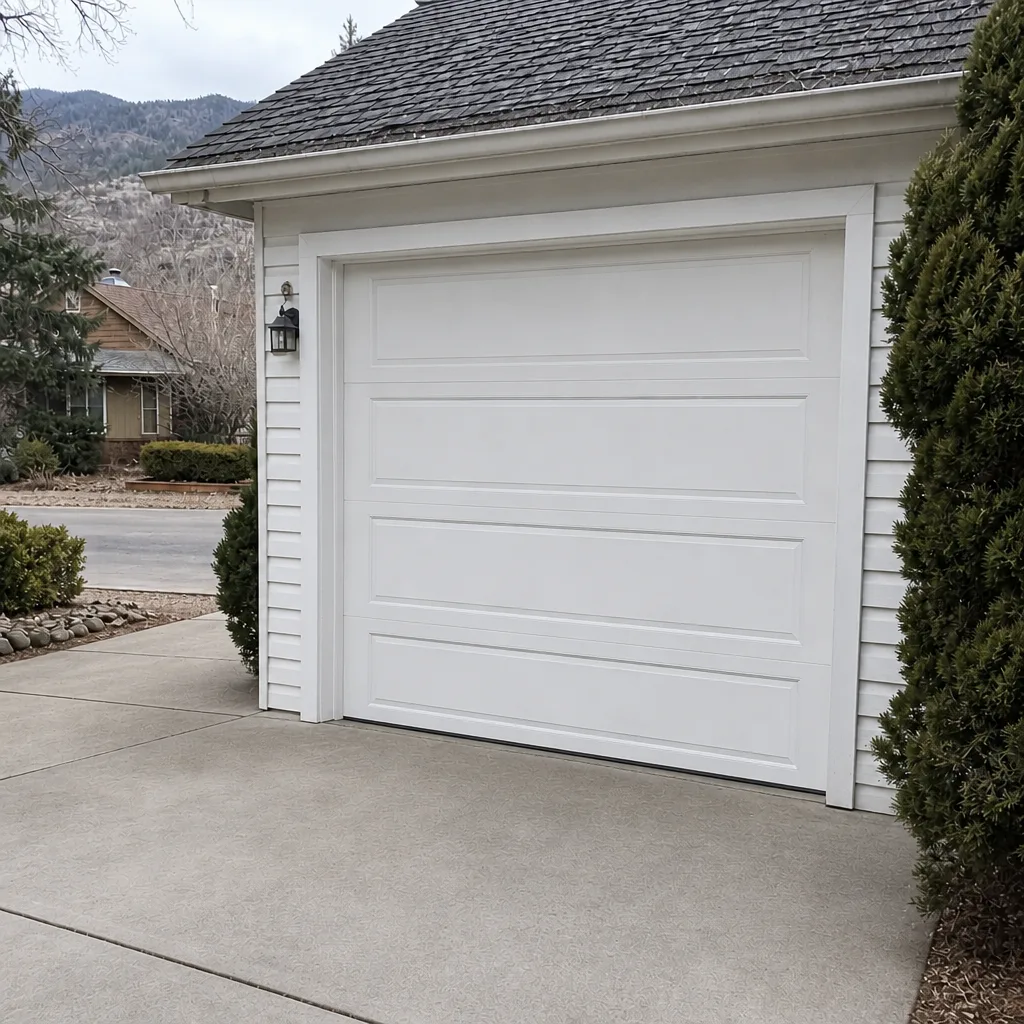 After
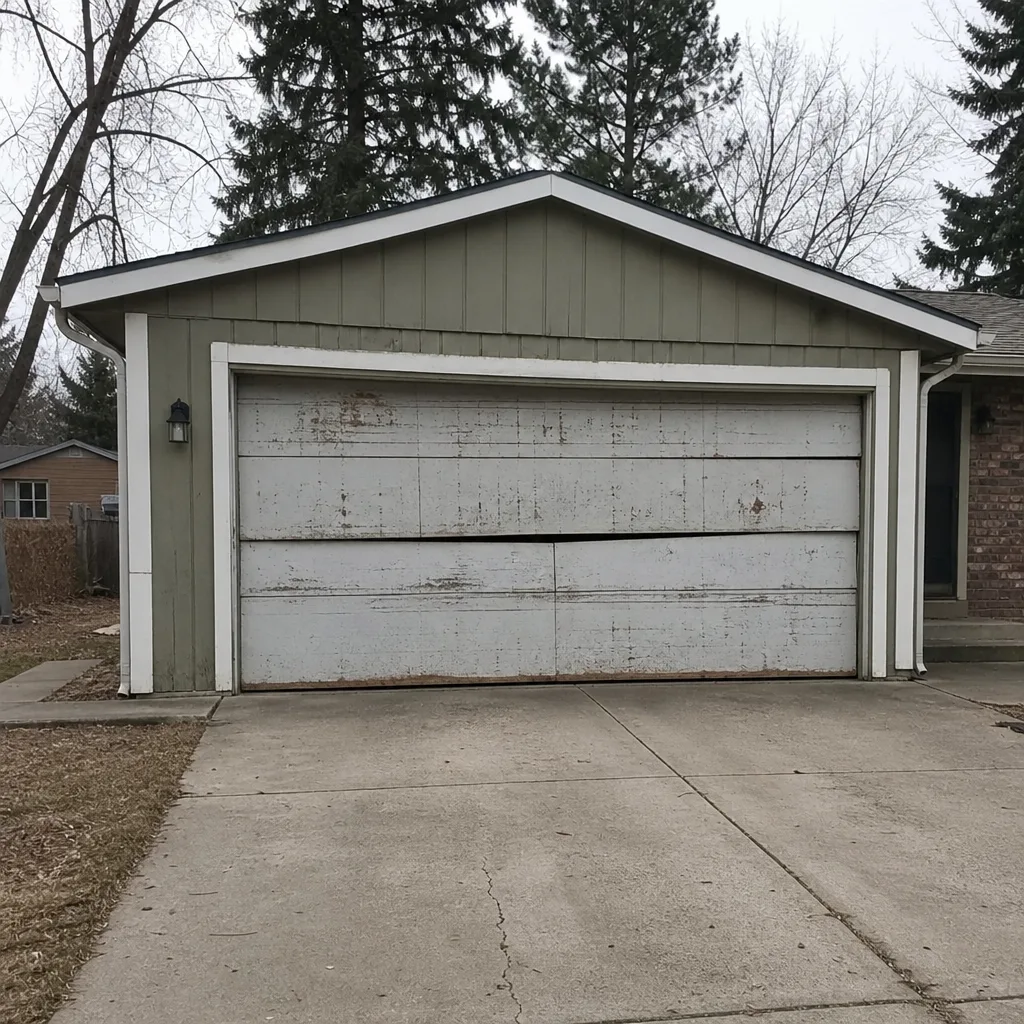 Before
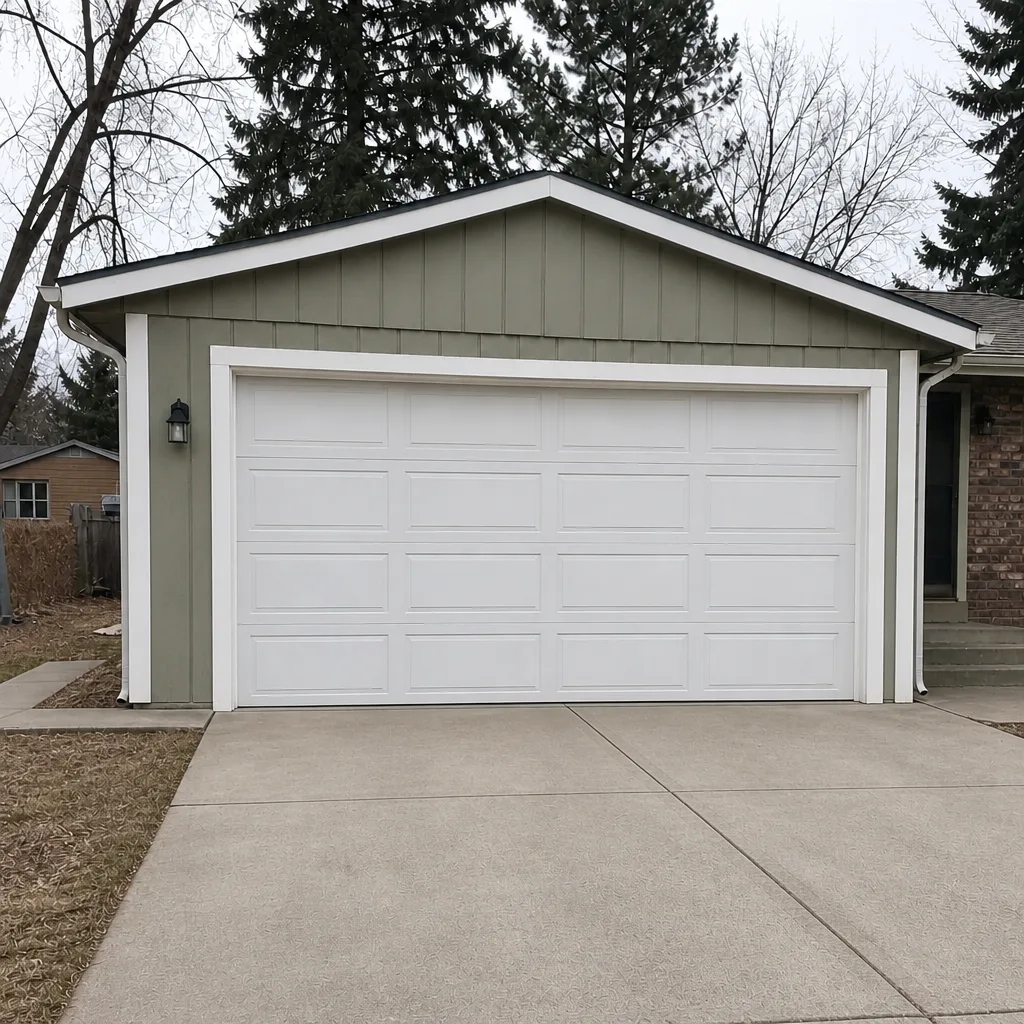 After
When to Call a Professional
The line between DIY-friendly and professional work in this trade is easier to see than it looks. Spring repair is the obvious one – a wound torsion spring stores enormous energy, and a released spring can cause serious injury. That’s not a repair to attempt yourself, and it’s not a repair most generalists will take on. Track and mounting work on a door that’s out of balance, opener failures on a smart or legacy unit, and any installation where the frame, header or electrical circuit changes all call for a trained technician.
On the permitting side, the call is different but just as clear. If you’re not sure whether a project triggers a permit, if your HOA’s standard is unclear, or if a correction notice has already surfaced during a sale, that’s the moment to bring in someone who works this ground regularly. We can advise on the project scope, walk through the documentation the county or HOA will ask for, and do the work once the paperwork is settled. Highlands Garage Door Repair Pros offers free estimates in Highlands – call (877) 492-1832. We answer 24/7, with fast dispatch from 7am to 7pm, Sunday through Friday.
Frequently Asked Questions
A like-for-like garage door replacement that keeps the same opening, frame and code-rated performance rating usually does not require a building permit in Highlands, CO. A project that changes the opening’s size, alters the framing or header, changes the electrical circuit to an opener, or updates the door’s energy or wind rating generally does. Call the Highlands building department with your door’s spec sheet before ordering, and check your HOA’s architectural rules first.
No. Spring replacement, cable and drum work, roller replacement, track adjustment and panel swaps on the same frame are maintenance and don’t go through the permit process. Spring work is, however, the most dangerous repair in the trade – a wound torsion spring stores enough energy to cause serious injury – and it’s work we recommend leaving to a trained technician. If you need it done, call (877) 492-1832 for an exact quote; estimates are free.
Yes. Colorado building code sets the minimum standard, and Highlands-area HOA covenants can impose stricter aesthetic and material requirements on top of it – specific door styles, panel layouts, colors or window configurations. A door can pass every county inspection and still violate the HOA’s architectural rules, so read the HOA standards before you shop and submit any required architectural review application early.
The buyer’s inspector or the title company’s permit search can flag the discrepancy, and the sale typically stalls until it’s resolved. The seller then files for a permit after the fact, schedules an inspection and pays any applicable fees; if the installation doesn’t meet code, corrections may require re-mounting or replacing the door. We can’t quote a correction cost because fees and scope vary, but the process is always easier before the sale than during it. Call (877) 492-1832 for an exact quote on bringing a non-compliant installation up to standard – estimates are free.
Either is legal in most Colorado jurisdictions; the difference is who carries the responsibility. A homeowner-pulled permit signs you as the responsible party for the installation meeting code, scheduling the inspection and handling any correction. A contractor-pulled permit routes that responsibility to the contractor. We work with both arrangements and can walk you through the paperwork either way. Call (877) 492-1832 to talk through your project – estimates are free.
Ask the supplier for the model’s U-factor and R-value documentation, which Clopay and Amarr publish by model, and confirm with the Highlands building department whether your project scope triggers an energy code review. Like-for-like swaps usually don’t; alterations and new construction usually do. Keep the spec sheet with your permit documents – inspectors ask for it, and future buyers do too.
The Bottom Line
The permit question for a Highlands garage door project splits on whether the work changes the building or restores it. Springs, cables, rollers, tracks and same-frame panel work are maintenance and don’t go through the county. Opening changes, framing work, new electrical circuits and full replacements that shift a door’s performance rating generally do, and Colorado’s energy code adds a U-factor and R-value review on new installations. HOA covenants sit on top of that and can be stricter. The three moves that prevent every problem in this guide: check HOA rules first, check with the Highlands building department second with the spec sheet in hand, and keep the permit, label and inspection documents with the home’s records. Do that, and a garage door replacement never becomes a real estate problem.
Our team works on garage door repair, opener repair, installation, spring repair and parts across LiftMaster, Chamberlain, Genie, Clopay, Amarr, Wayne Dalton, Craftsman and Raynor equipment – a single company, start to finish, when you need the door serviced or the paperwork settled. Our technicians have up to 9 years of experience with the work itself. If you’re planning a project or already have a correction notice in hand, call (877) 492-1832. We answer 24/7, with fast dispatch from 7am to 7pm, Sunday through Friday. Estimates are free, the price is quoted and agreed before any work starts, and the written estimate sets the final price. Start at Highlands Garage Door Repair Pros for the full service list, or reach us directly for a free estimate.
Written by the team at Highlands Garage Door Repair Pros.