
Last updated November 21, 2026
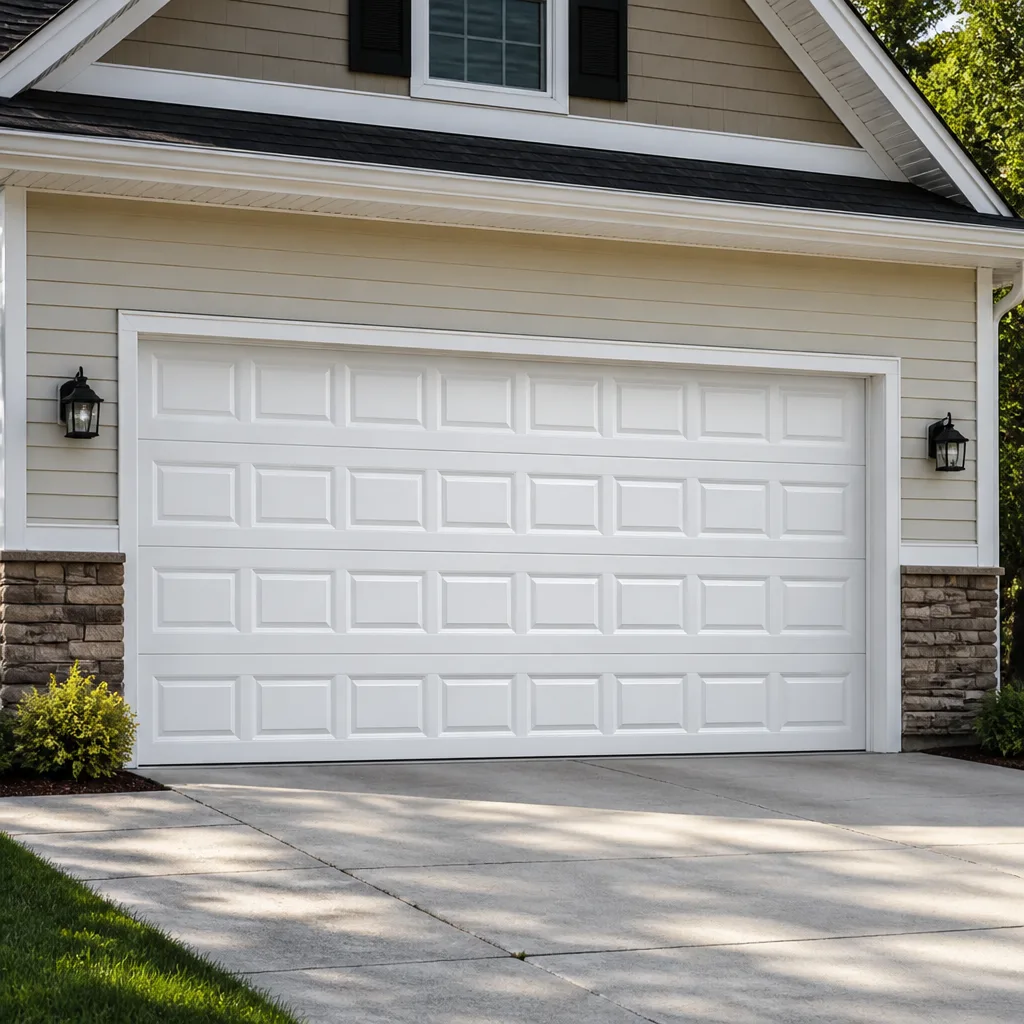 Raised-panel steel
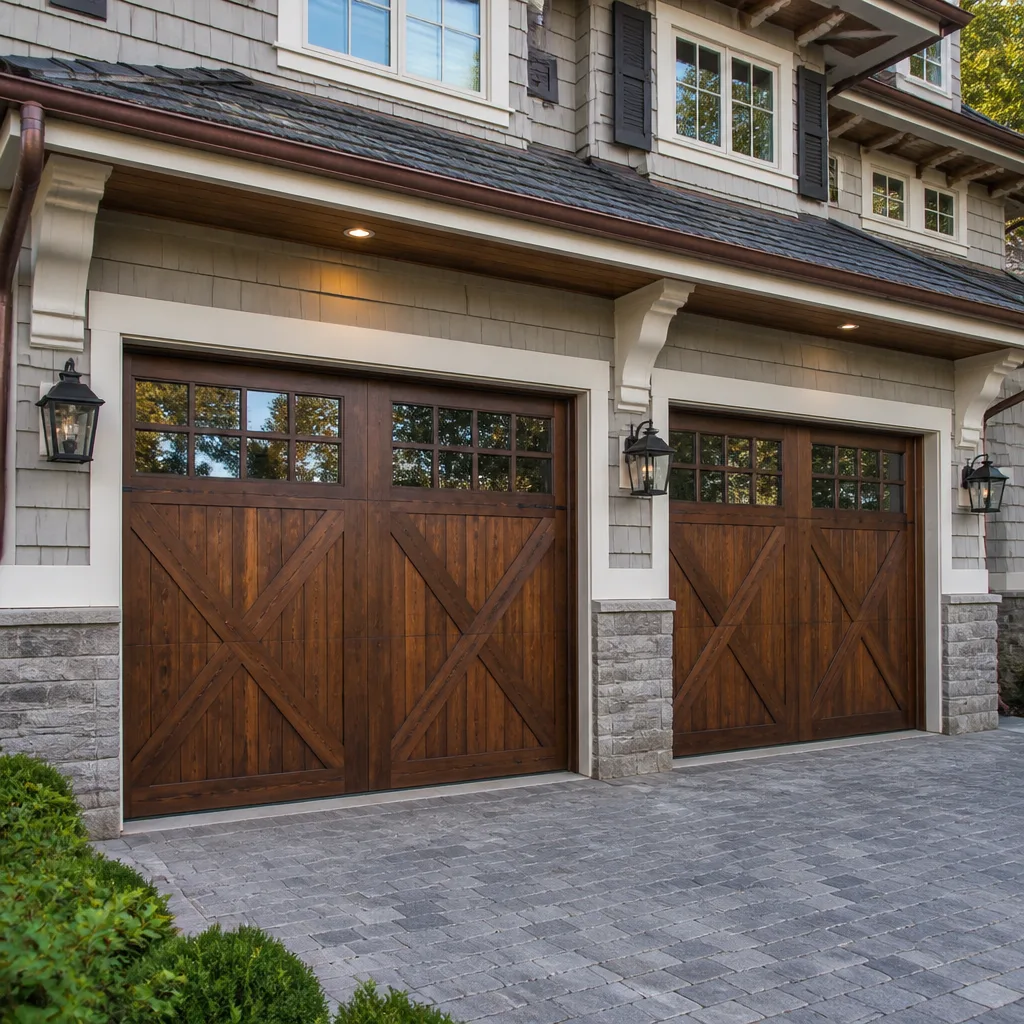 Carriage house
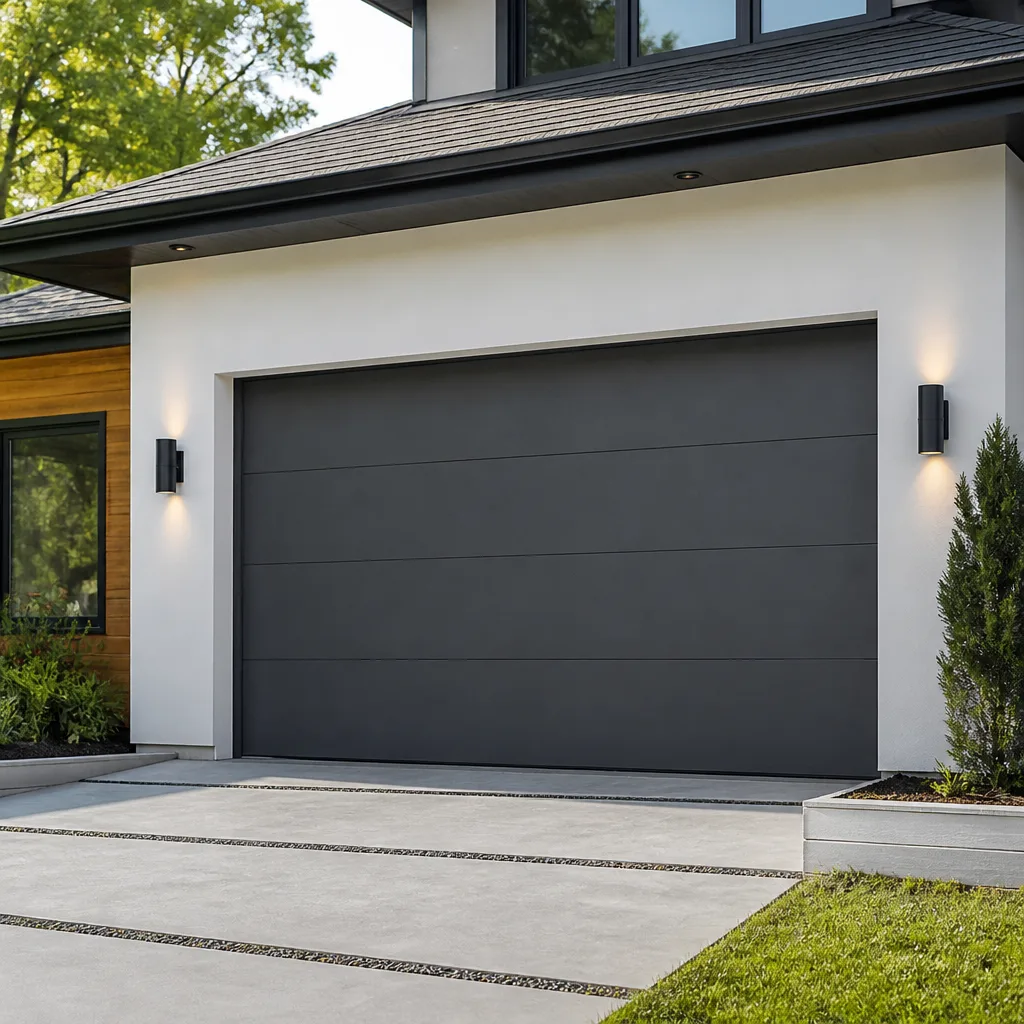 Modern flush
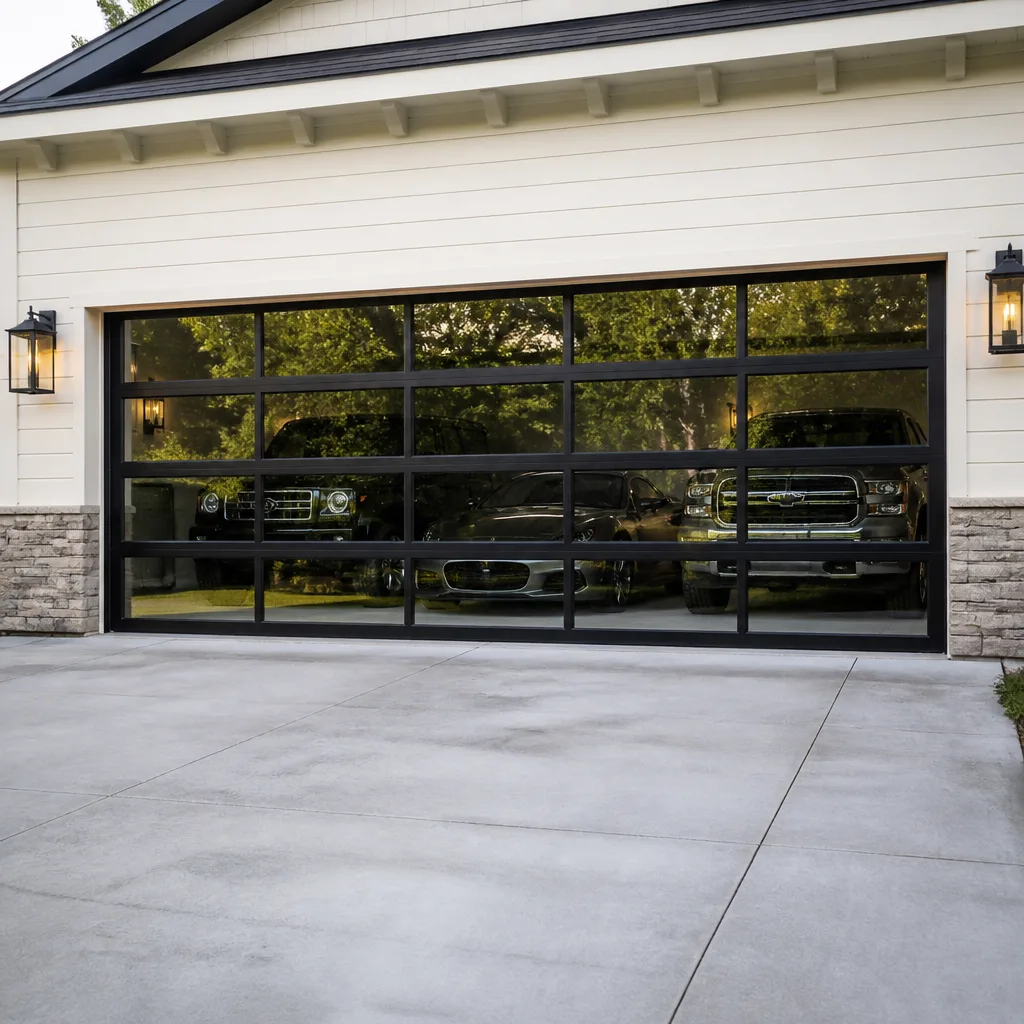 Full-view glass
 LiftMaster openers
 Chamberlain openers
Full 25-point door and opener safety check with every visit - springs, cables, rollers, tracks, and your LiftMaster or Chamberlain opener included
You get a price before we start. It does not change when the pro arrives.
Get your free estimateGarage Door Repair Maintenance Checklist for Highlands Homeowners
A generic maintenance checklist tells you to “lubricate moving parts twice a year” and then leaves you standing in the garage with a can in your hand, no idea which parts, which lubricant, or what order. That’s useless, and at Highlands altitude it can be worse than useless. The most common calls we get from Highlands homeowners aren’t about catastrophic failure. They’re about a small, fixable annoyance in October that turned into a door sealed shut by a January cold snap, or a wrong lubricant that gummed up the rollers and stretched a five-minute job into a service call. This guide gives you the part-by-part checklist you can actually run yourself, with pass/fail criteria, the right products, and clear signals for when to stop and call in a professional.
Quick Answer
A working maintenance checklist for a Highlands garage door covers eight parts: springs, cables, rollers, tracks, hinges, weatherstripping, bottom seal, and the opener. Inspect springs and cables visually only; lubricate rollers, hinges, and the torsion shaft with a cold-rated grease or a purpose-made garage door lubricant (not standard WD-40); check weatherstripping and the bottom seal for gaps every fall before freeze season. Anything involving tensioned springs or frayed cables is a call-a-pro item.
Styles & brands we work with
- Raised-panel steel
- Carriage house
- Modern flush
- Full-view glass
- LiftMaster openers
- Chamberlain openers
Table of Contents
- Why a Highlands Garage Door Wears Differently
- The Right Lubricant, the Wrong Lubricant, and Why It Matters
- Part-by-Part Checklist With Pass/Fail Criteria
- Weatherstripping and the Bottom Seal: Freeze-Season Triage
- Your Two-Season Schedule: Fall Freeze Prep and Spring Thaw Check
- Opener Checks: Safety Reverse, Chain, and Battery
- The Stop-and-Call Triggers: When a Checklist Item Goes Pro
- Common Mistakes to Avoid
Why a Highlands Garage Door Wears Differently
Highlands sits high enough that winter isn’t a season, it’s most of the calendar. That has consequences for a garage door that flat-ground neighborhoods never see. Expansion and contraction cycles are wider, so weatherstripping hardens and cracks faster than it does a few thousand feet lower. Wind-driven moisture finds every gap, then freezes there. Grit from treated roads works its way into the tracks and rolls into the rollers. And the cold itself thickens every lubricant on the door, so a coating that slides smoothly in a mild climate can turn into glue at Highlands January temperatures.
None of that means the door is fragile. It means the maintenance timing that generic guides suggest (spring and fall, spaced evenly) is the wrong pattern. In Highlands, the important inspection happens before the first hard freeze, and the second happens when the thaw begins. Everything in this guide is built around those two windows.
One more thing about the local housing stock: many Highlands homes have attached or oversized garages, which puts more of the door’s surface area in contact with wind and snow load than a standard single-car door. That’s not a failure mode, it’s a note to take a few extra minutes when you check the seals in the fall.
The Right Lubricant, the Wrong Lubricant, and Why It Matters
This is the single item that separates a real maintenance checklist from a shrug. A thin, penetrating, water-displacing spray like standard WD-40 is excellent at loosening a stuck bolt. It’s the wrong product for a garage door. Those sprays strip the factory lubricant out of sealed roller bearings and hinges rather than replenishing it, and they leave a thin residue that collects grit. On a garage door, a solvent that displaces the good stuff and attracts dirt accelerates wear instead of preventing it.
What you want is a purpose-made garage door lubricant, ideally one rated for cold temperatures, or a low-temperature lithium grease or synthetic grease designed to stay viscous in the cold. The important words on the label are “cold-rated,” “low temperature,” or a stated minimum temperature well below what Highlands sees in January. Do not use WD-40 on rollers and hinges. Do use a light coat of a proper garage door lubricant on:
- The roller bearings and the roller shafts (not the track surface itself)
- Each hinge pivot point
- The torsion shaft along the top of the door, where it meets the end bearing plates
- The lock mechanism, if your door has one
- On the opener side, the chain or screw drive, following the manufacturer’s specific guidance (some chains want chain lube, not grease)
The reason is seasonal, not cosmetic. A cold-rated grease stays pliable when the temperature drops, so the rollers roll instead of skidding along the track, and the torsion shaft turns freely. Wrong lubricant in October becomes a stiff, groaning, sometimes jammed door by the first deep cold spell. It’s also worth noting you should wipe away old, contaminated grease and grit before applying a fresh coat. Lubricating on top of a dirty surface just buries the grit where it can do the most damage. A clean start is the whole point.
Part-by-Part Checklist With Pass/Fail Criteria
Work through this in order. Each part has a clear pass and a clear fail so you know exactly when you’re fine and when you stop.
1. Springs (visual inspection only, never touch)
Pass: Springs look straight and even across their full length, with no visible gap. The door lifts smoothly and stays balanced halfway up.
Fail: A visible gap in a spring (torsion springs break with a clean separation), or the door feels far heavier than it should and won’t hold halfway. Stop here. Do not try to reach the spring. Call in a professional. Springs are under huge stored tension. We’ve been handling these for a long time and we won’t touch a live spring outside a proper procedure.
2. Cables
Pass: Cables are taut, run cleanly along the drums, and show no fraying or kinks.
Fail: Any fraying, visible rust through the cable, or a cable sitting loose or off its drum. Same rule as springs: do not touch it. A released cable can cause a serious injury.
3. Rollers
Pass: Wheels roll smoothly. No flat spots, no wobble, no visible cracking in the roller body.
Fail: A flat spot, a cracked wheel, or a roller that sticks as it moves through the track. Rollers are cheap and a simple replacement, but do it before one seizes and grinds the track.
4. Tracks
Pass: Tracks are parallel, clean, and free of dents. The door rolls through them without catching.
Fail: A visible bend, dent, or the two vertical tracks out of parallel. Clean grit out with a cloth. Small bends often need a pro to correct safely.
5. Hinges
Pass: Hinges are flat, sit flush, and show no cracking around the screws.
Fail: A bent hinge, a loose screw that won’t tighten, or metal that has cracked. A failing hinge stresses the whole panel.
6. Weatherstripping
Pass: Flexible, pliable, lays flat against the door when closed.
Fail: Hard, cracked, or permanently bent. See the dedicated section below.
7. Bottom Seal
Pass: Flat, firm contact with the floor across the full width. No visible daylight under the door.
Fail: A gap, a torn section, or a seal that’s flattened so completely it no longer touches.
8. Opener
Pass: Runs smoothly, reverses on the safety test, opens and closes at a consistent speed.
Fail: Any grinding, jerking, or failure of the safety reverse. Detail in the opener section.
Weatherstripping and the Bottom Seal: Freeze-Season Triage
In a mild climate, weatherstripping is mostly about drafts and insects. In Highlands, it’s about ice and wind-driven moisture. The weatherstripping around the door’s frame and the bottom seal along the floor are the two places where a small failure turns into a big one, because these are exactly where snowmelt, wind-blown sleet, and road grit get a foothold. A gap on the windward side lets snow pack against the door panels. That snowmelt refreezes overnight and, with a gasket already stiff and cracked, the mornings you most need the door to open cleanly are the mornings it fights back.
Check the bottom seal by closing the door and looking at it from inside, in decent light. The seal should make continuous contact across the full width. Any visible line of daylight under the door is a fail. Now look at the frame weatherstripping from outside. Run a gloved finger down its length. It should be flexible and spring back. If it crunches, cracks, or feels like rigid plastic, replace it before the deep cold arrives. If it’s coming loose at any corner, that’s a gap the wind will find.
Wind-driven moisture matters here, not just straight snow. On a windy day, moisture is pushed into the smallest openings. A door with marginal weatherstripping works fine on a calm day, then lets water in when the wind gets behind it. That’s why fall timing is so important: you want to fix these before freeze season, not discover them on a January morning with the door stuck at knee height.
Your Two-Season Schedule: Fall Freeze Prep and Spring Thaw Check
Twice a year sounds right in theory, but evenly spaced inspections miss the two moments that actually count in Highlands. Here’s the pattern that fits the local calendar.
Fall Prep (before the first hard freeze)
This is the big one. The goal is to get the door through the cold months with no surprises.
- Confirm all five moving parts (rollers, hinges, shaft, and track surfaces) are clean and freshly lubricated with cold-rated grease.
- Check bottom seal and frame weatherstripping for flexibility and full contact. Replace anything stiff, cracked, or gapped.
- Test the opener’s safety reverse and check the battery in the wall remote and safety sensors.
- Look at springs and cables for visible gaps or fraying. Note anything questionable and schedule a professional check before the cold locks in.
- Clear grit and debris from the tracks.
Spring Thaw Check (after the freeze season breaks)
The cold season does its own damage. Winter dries and stiffens rubber, cycles stress the springs, and grit tucked into the tracks gets a fresh chance to do harm. This inspection is about catching what winter left behind.
- Re-examine weatherstripping and bottom seal for cracking and compression from the cold.
- Look at springs and cables again. Cold cycling is when a tired spring typically gives up.
- Re-test the opener and the safety reverse.
- Re-lubricate if the grease has dried or the door sounds dry.
- Wipe out tracks again, now that they’ve collected a full season of grit.
Some doors need a mid-season look. If yours is oversized or takes the full force of the wind on one side, check the seals once more in the middle of winter. It takes five minutes and catches the problem before it becomes a call.
Opener Checks: Safety Reverse, Chain, and Battery
The opener has two jobs: lift the door reliably and stop it if something is in the way. That second job is the one you have to test, not assume. Every opener, whether it’s a smart Wi-Fi unit running on a LiftMaster or Chamberlain, a legacy model like a Genie, or a Craftsman unit that’s been quietly doing its job for years, is built around the same safety reverse principle. It should reverse when it meets resistance on the way down.
To test it: with the door open, place a solid object (a short board works) on the floor in the door’s path, then close the door with the wall control. The door should contact the object and reverse immediately. If it presses down on the object and keeps going, or doesn’t respond at all, stop using the opener and call in a professional. That’s a real safety failure.
While you’re there:
- Chain or belt tension: It should have a small, even slack. A chain hanging loose or grinding against the rail is a tell.
- Photo-eye sensors: They sit at the bottom of the tracks. Check that both are clean, aligned, and that the indicator light is steady, not blinking to signal obstruction.
- Batteries: Wall remotes and keypads are easy to forget. Replace them once a year, and don’t wait for the surprise failure.
- Manual release: Test it once, and confirm the door re-engages correctly when the door is closed and you pull the release again.
If the opener is a Wi-Fi unit, check that the app still connects and that the door reports correctly. Smart-home openers are a convenience upgrade, but they add one more thing that needs verifying. If the app has stopped working, that’s usually a pairing issue, not a hardware problem, but it’s worth clearing up so you’re not locked out of remote control when you need it.
The Stop-and-Call Triggers: When a Checklist Item Goes Pro
The most valuable part of any maintenance list is knowing when to stop. These are the signals that a task has moved past what a homeowner should safely handle:
- Any spring gap or break. Never touch a torsion spring or an extension spring under tension. This is the classic “amateur injury” call, and it’s avoidable.
- Frayed, loose, or off-drum cables. Same category: high tension, real risk.
- The door won’t hold at the halfway position. That’s almost always a spring/tension issue, not a DIY job.
- A door that has come off one side or is visibly crooked. Never force an uneven door back into the track.
- The opener runs but the door doesn’t move, or the door moves but the opener doesn’t. Mechanical or electrical fault, likely beyond simple checks.
- Anything you can’t see clearly. If you’re uncertain, that’s a signal, not a test.
If your door is making a noise you can’t place, or you’ve found a failure in one of the items above, the free estimate from a trained technician is the correct next step.
Common Mistakes to Avoid
- Lubricating with WD-40 or a solvent spray. It removes the good lubricant and attracts grit. Use a cold-rated garage door grease or purpose-built lubricant instead, especially in Highlands, where the wrong product turns to glue in the cold.
- Ignoring weatherstripping until you see water. By the time you notice a draft or a damp floor in Highlands, the seal has already hardened and split. Check flexibility every fall, not just after a leak.
- Assuming the safety reverse works because the door closes. Test it with an object, every season. A door that closes smoothly but won’t reverse has failed the only test that matters.
- Forcing a stuck or crooked door. If the door binds or jumps a track, the problem is a tension or alignment issue. Force risks injury and damage. Stop and call.
- Tightening every loose screw, everywhere. On hinges, a stripped or over-tightened screw weakens the panel. Hand-tight is right; over-torquing is how a checklist becomes a repair.
- Skipping the spring check because you “don’t want to think about it.” The check is visual and safe: stand back, look for gaps, don’t touch. Skipping it is how a small, scheduled fix becomes an emergency call.
- Running two different lubricants on the door. Mixing a light spray with a proper grease creates a smeared, dirty mess. Pick one cold-rated product and stick with it, cleaning before reapplying.
When to Call a Professional
Some of this list is genuinely yours to handle, and we’d rather you know how to do it than not. But a garage door is a heavy, spring-loaded machine with two components that can seriously hurt you: springs and cables. The moment your inspection turns up a spring gap, a frayed cable, an off-track door, or an opener that fails the safety reverse test, stop. That’s not a maintenance task anymore, that’s a repair that needs training and the right tools. At Highlands Garage Door Repair Pros, we’ve handled all of it, from a single roller swap to a full new door and opener, and we can tell you honestly which parts of your door are fine and which aren’t. If you’re in doubt, a free estimate settles it. Call (877) 492-1832. We answer 24/7. Fast dispatch from 7am to 7pm, Sunday through Friday.
See the difference
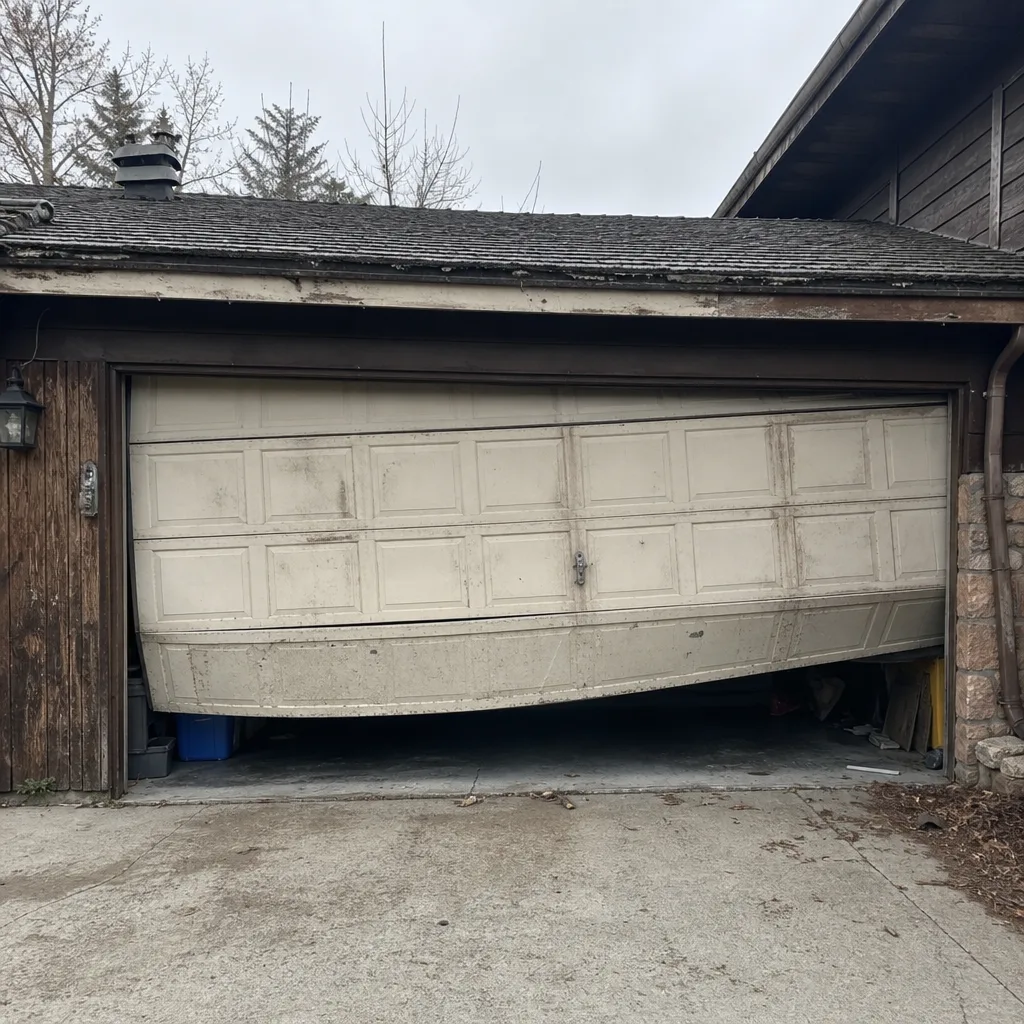 Before
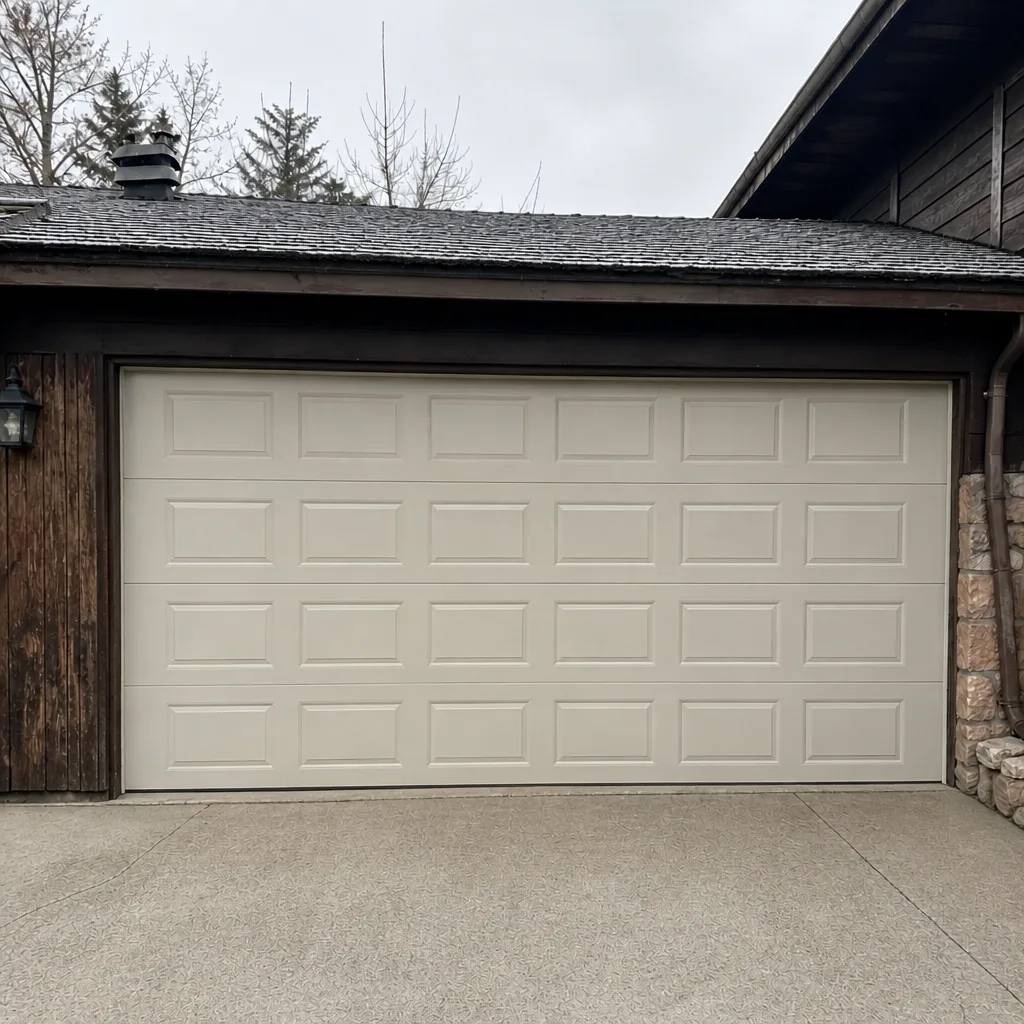 After
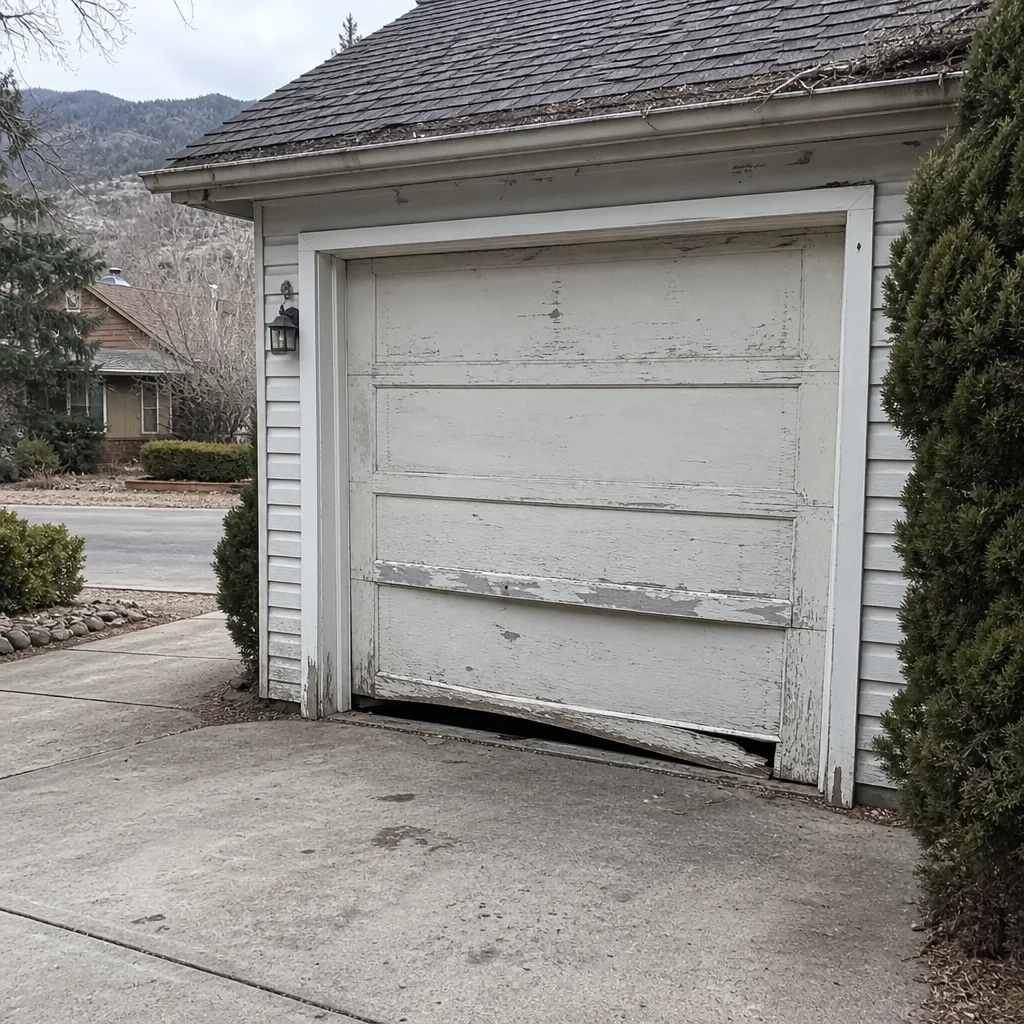 Before
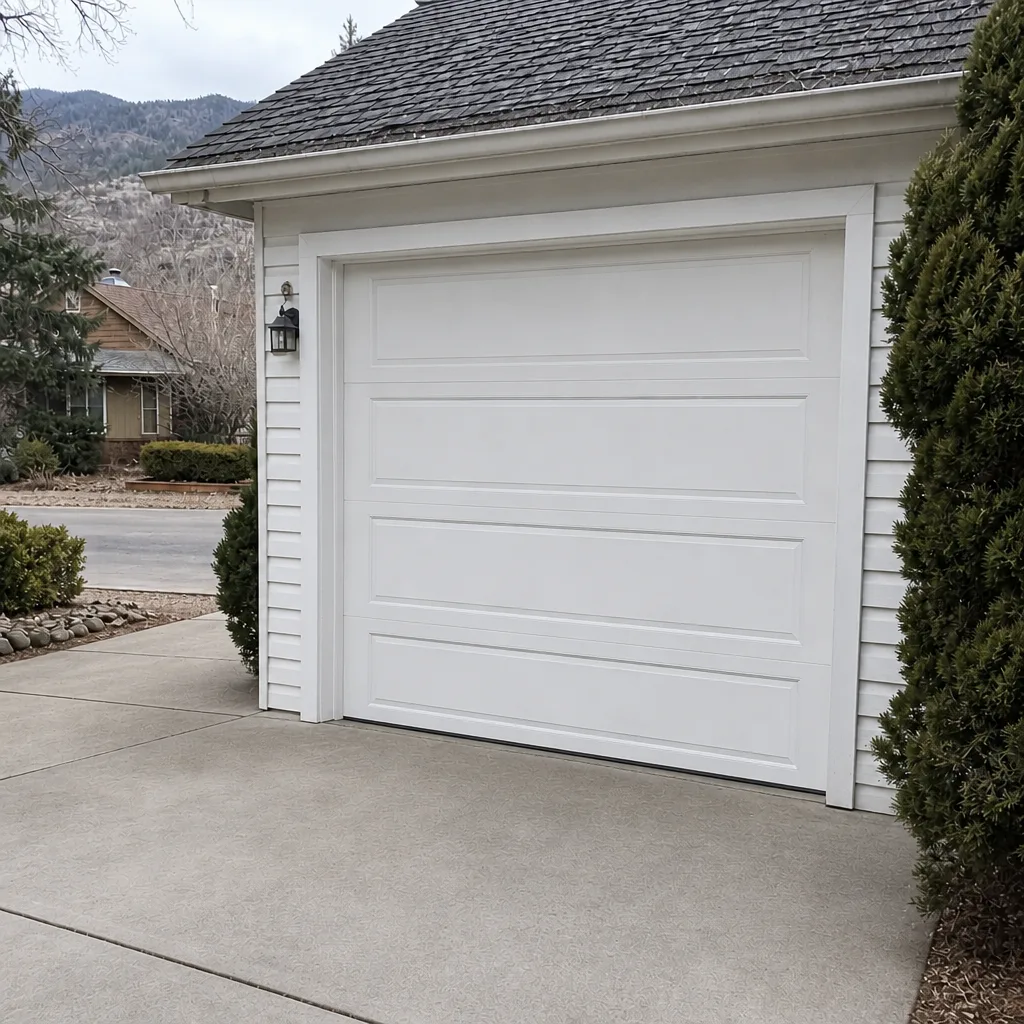 After
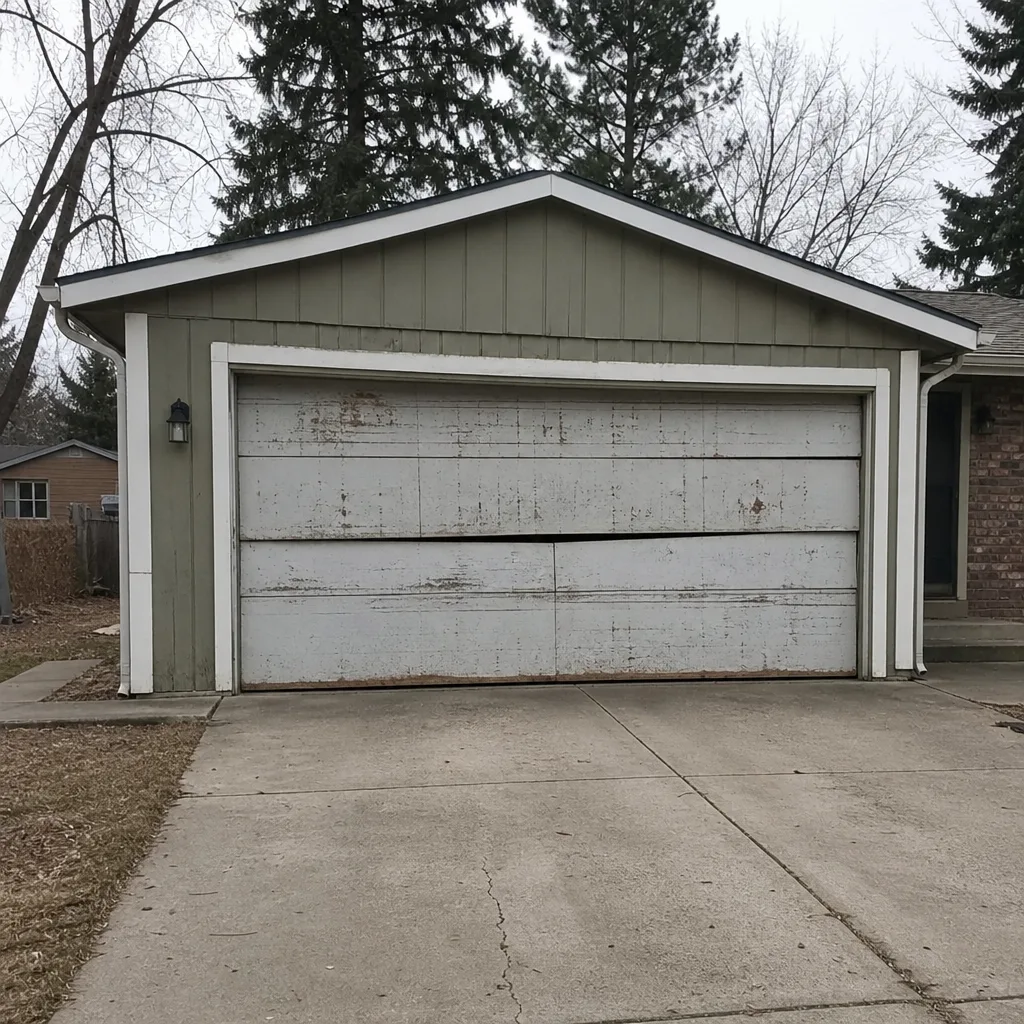 Before
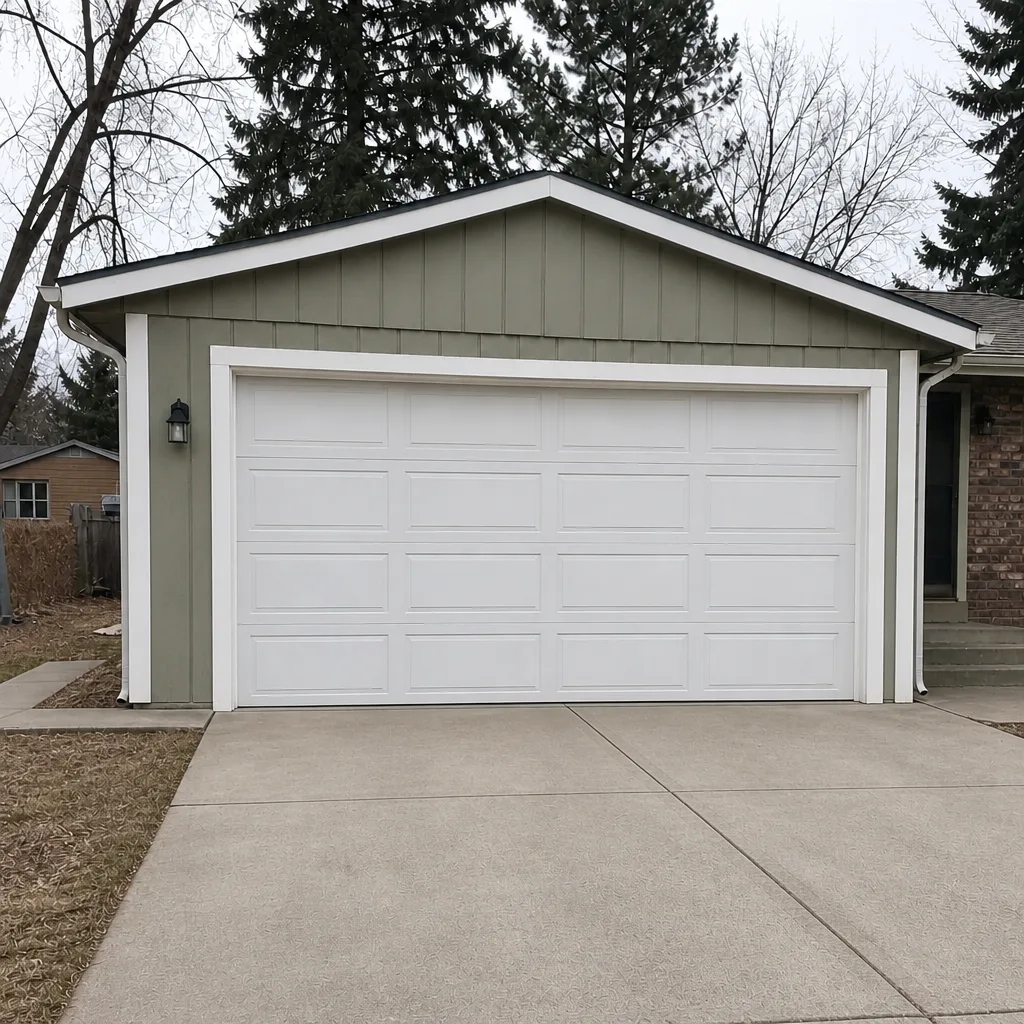 After
Frequently Asked Questions
Twice a year, timed to the seasons rather than to the calendar: once before freeze season and once after the thaw. Use a cold-rated garage door grease or purpose-made lubricant on rollers, hinges, and the torsion shaft, and not a solvent spray like standard WD-40.
Waiting too long. By the time the first deep freeze hits, a stiff bottom seal or dry roller is already a problem. Every fall item on this checklist should be done before the cold sets in, not during it. If you’re not sure whether you’ve caught something in time, call (877) 492-1832 for a free estimate.
Standard WD-40 (the original water-displacing spray) is the wrong product for a garage door. It strips the factory lubricant from sealed bearings and hinges rather than replenishing it, and it leaves a residue that collects grit. Use a purpose-built garage door lubricant or cold-rated grease instead.
Yes. Place a solid board in the door’s path, close the door with the wall control, and confirm it reverses as soon as it contacts the board. If it doesn’t, stop using the opener and call a professional. This is a genuine safety check, and it takes under a minute.
Usually the lubricant isn’t cold-rated. A grease that works fine in milder weather can thicken enough in Highlands winter temperatures to slow the rollers and shaft. Wipe the parts clean and switch to a product rated for the cold. If the stiffness persists with the right product, check the springs and call for a free estimate.
Frame weatherstripping and a bottom seal are reasonable DIY replacement jobs if you’re comfortable with the door’s edge. What makes them worth a second look in Highlands is the wind-driven moisture: any gap a novice repair leaves can let water in. If the seal isn’t sitting flat or the corners are loose, call (877) 492-1832 and let a technician confirm it’s sealed correctly.
The Bottom Line
The core of this checklist is not a long list of tasks; it’s three habits. Use the right lubricant, check the seals before the freeze rather than after, and never touch a spring or cable under tension. Everything else (rollers, hinges, tracks, the opener’s safety reverse) is a five-minute job if you run it on the two-season schedule this guide lays out. If any item crosses the stop-and-call line, or you’d simply like a trained eye on the door before the cold comes in, that’s exactly what we’re here for. Whether you clean your own rollers or leave it all to a technician, a maintained door is a door that opens on the morning you need it.
Contact Highlands Garage Door Repair Pros
Whether you need garage door repair for a broken spring, a technician for a stubborn opener, or a full garage door installation once your door is past its lifespan, we’re set up to handle it from start to finish. We work on LiftMaster, Chamberlain, Genie, Clopay, Amarr, Wayne Dalton, Craftsman, and Raynor equipment, and we stock parts so the wait between diagnosis and repair is shorter. For most doors that means one visit rather than a parts order and a return trip, and for anything the checklist above flags as a stop-and-call item, a free estimate is the next step. Call (877) 492-1832. We answer 24/7. Fast dispatch from 7am to 7pm, Sunday through Friday.
Written by the team at Highlands Garage Door Repair Pros.