
Last updated November 21, 2026
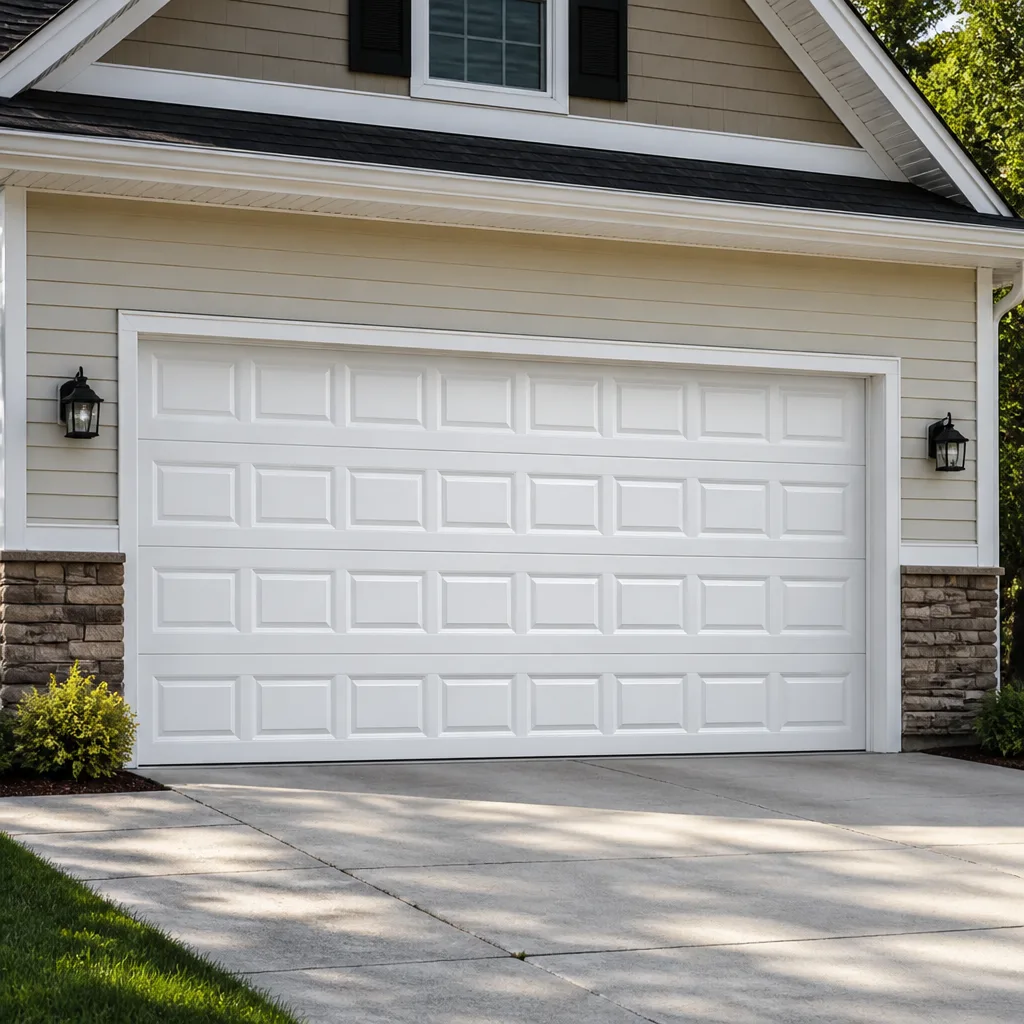 Raised-panel steel
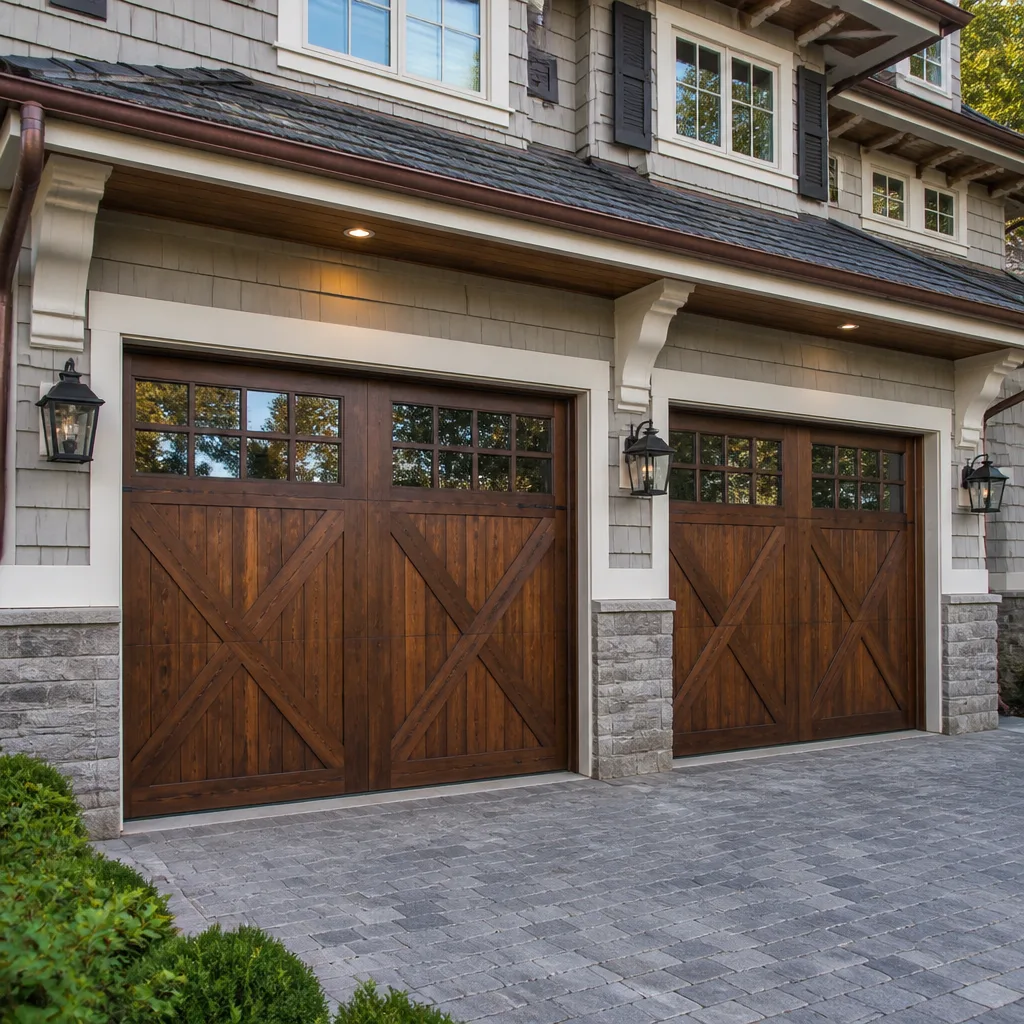 Carriage house
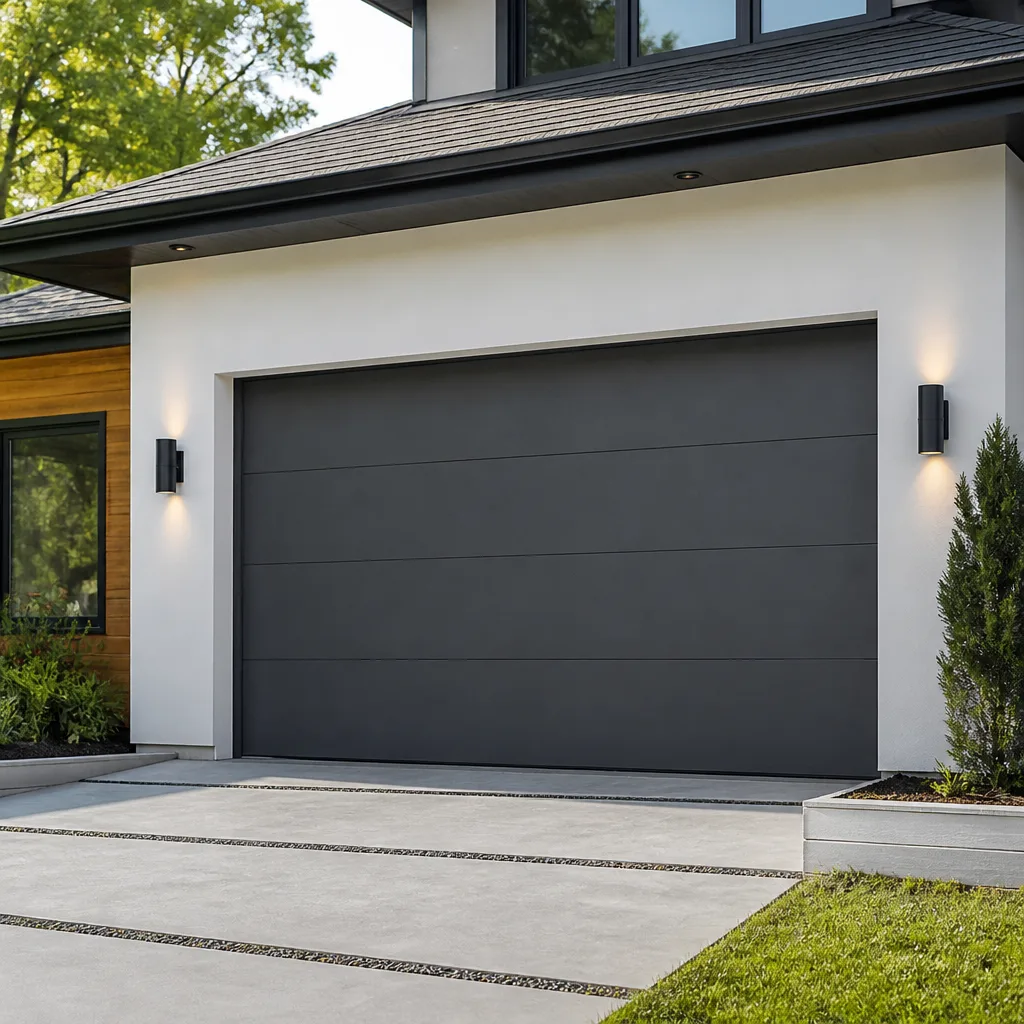 Modern flush
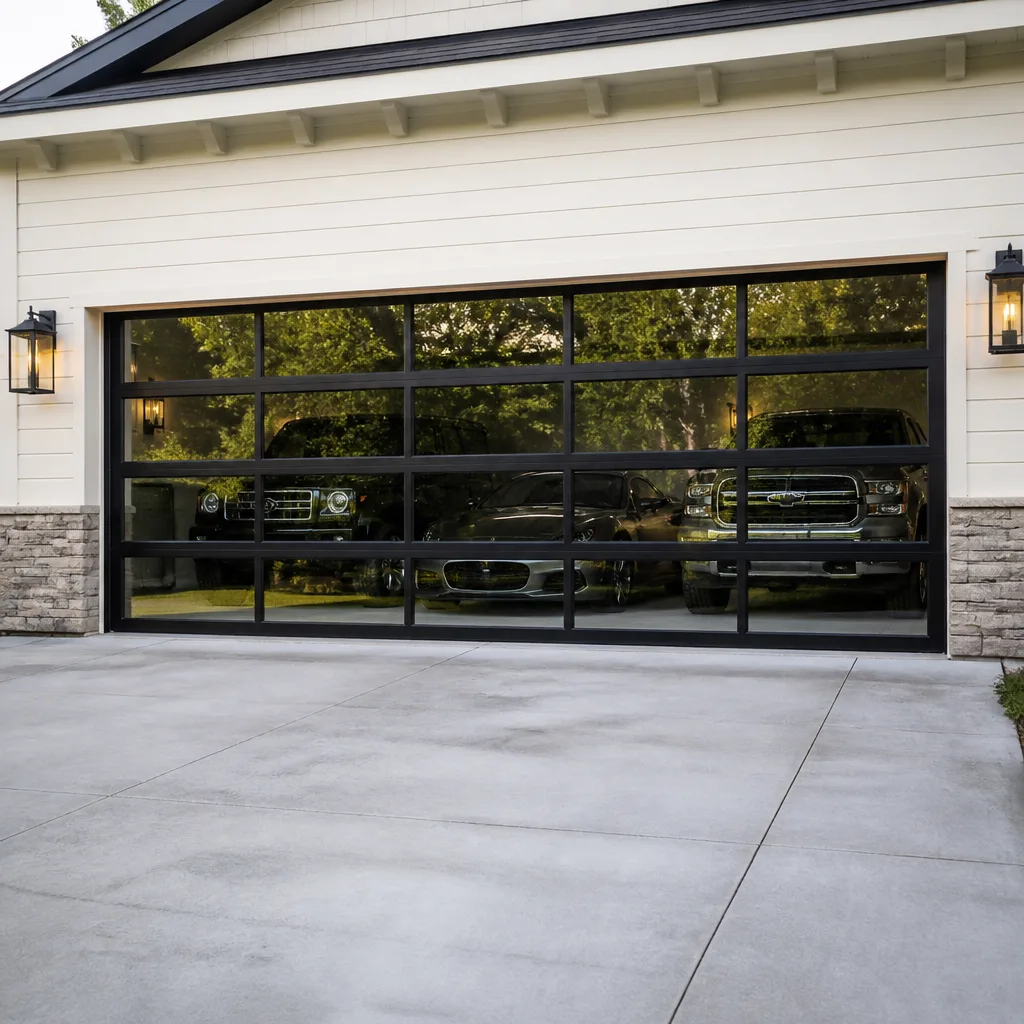 Full-view glass
 LiftMaster openers
 Chamberlain openers
Full 25-point door and opener safety check with every visit - springs, cables, rollers, tracks, and your LiftMaster or Chamberlain opener included
You get a price before we start. It does not change when the pro arrives.
Get your free estimateGarage Door Repair Maintenance Schedule: What to Do and When
Most garage door advice tells you to lubricate twice a year and call it done. That schedule ignores the thing that actually fails first. Your springs are rated in cycles, not months, and a busy Highlands household can burn through a spring rating in under five years while a quiet one coasts past nine on the same part. The door doesn’t know what season it is. It knows how many times it has opened and closed. This guide builds a maintenance calendar around cycle counts, door type, and the freeze-thaw swing that hits Highlands every spring, then fills in the tasks that genuinely belong on a schedule and the ones that are busywork.
Quick Answer
A garage door maintenance schedule should be timed to your door’s cycle count and your local seasons, not to a generic twice-a-year rule. In Highlands, that means checking rollers, bottom seals and balance in early spring after freeze-thaw, inspecting weatherstripping and lubrication in summer when UV and heat do their damage, and having a professional tune-up roughly once a year or every 10,000 cycles, whichever comes first. Springs get replaced on a cycle-based prediction, not a calendar.
Styles & brands we work with
- Raised-panel steel
- Carriage house
- Modern flush
- Full-view glass
- LiftMaster openers
- Chamberlain openers
Table of Contents
- Why Your Maintenance Calendar Should Start With a Cycle Count
- The Highlands Seasonal Task Calendar, Month by Month
- The 10-Second Balance Test That Reveals Spring Wear Early
- Lubrication: What Helps and What Quietly Destroys Nylon Rollers
- What a Professional Tune-Up Checks That You Can’t
- Schedules by Door Type: Sectional, Carriage, and Single-Panel
- Opener Maintenance: Belt, Chain, Screw, and Smart Units
- When Maintenance Becomes Replacement
Why Your Maintenance Calendar Should Start With a Cycle Count
A torsion spring is rated for a set number of open-and-close cycles, and that number is the single most useful fact you can know about your door. Standard residential springs commonly carry a rating in the tens of thousands of cycles. Divide your household’s annual cycle count into that rating and you get a rough replacement window. That window is what your maintenance schedule should orbit.
Here’s how to estimate your annual cycles in three steps:
- Count the times your door opens and closes on a typical weekday. A two-car household with two drivers leaving and returning usually lands somewhere between four and eight cycles a day.
- Multiply by the days the door actually gets used. A household where one person works from home uses the door far less than one with two commuters and kids in school.
- Add the extra cycles from deliveries, yard work, taking out bins, and the forgetful reopen because someone left the remote in the car.
A high-use Highlands household with two commuters and a couple of daily errands can run 12 to 16 cycles a day, which is where a spring rated for a typical residential count can wear out in under five years. A quieter home running four cycles a day might get past nine or ten years on the same rating. That spread is why a fixed “replace your springs every ten years” rule fails. We’ve seen it fail in both directions in Highlands, and the households that track cycles roughly are the ones who replace a weakening spring before it snaps.
You don’t need a spreadsheet. A rough count done once, plus a note of when the springs were last replaced, gives you enough to plan. If you don’t know the last replacement date, that itself is a reason to have the springs inspected.
The Highlands Seasonal Task Calendar, Month by Month
Highlands sits at elevation and gets a real freeze-thaw cycle in late winter and early spring. That swing works on rollers, hinges, and the bottom seal in a way that a milder climate doesn’t. Here’s how we’d lay out the year.
Late Winter to Early Spring (February through April)
- Check the bottom seal and the gap under the door. Freeze-thaw pushes frost heave into the slab and the seal takes the abuse. A seal that’s cracked or torn lets in cold air and moisture.
- Look at roller condition. Rollers that sat through a cold snap and a thaw can develop flat spots or cracked nylon. Roll over them with the door on manual and listen.
- Run the balance test (below) after the ground thaws. Springs that made it through winter are the ones worth watching into spring.
- Clear the tracks of grit, sand, and de-icer residue that collected over the winter months.
Late Spring to Summer (May through August)
- Inspect weatherstripping along the sides and top for UV damage. High-altitude sun in Highlands is hard on rubber and vinyl, and weatherstripping that looks fine in May can be brittle by August.
- Do your main lubrication pass once the weather is warm and stable. Lubricant spreads better and penetrates further in mild temperatures than in cold.
- Check the opener’s safety reversal with a test object under the door. It’s a two-minute check and it’s the one homeowners skip.
- Look at the exterior finish of the door panels for paint or stain wear. UV fades and dries out wood-look and steel finishes over a summer.
Fall (September through November)
- Second lubrication pass on hinges, rollers, and the torsion shaft bearings.
- Test the balance again before the cold sets in. A door that’s out of balance in October will be worse in January.
- Clear the tracks of leaves and debris before they freeze in.
- Check that the door closes fully and seals. A gap you ignored in summer costs you heat in winter.
Winter (December through January)
- Keep the bottom seal clear of snow and ice that can pull it loose.
- Don’t force a frozen door. If the door lifts partway and stops, stop pulling. That’s a sign of a frozen seal or a failing spring, and force turns one problem into two.
- Listen for new noises. Cold makes everything louder, but a new grinding or popping sound in cold weather is worth attention.
The 10-Second Balance Test That Reveals Spring Wear Early
The balance test is the single best homeowner check for spring wear, and it takes about ten seconds. It reveals a weakening spring before it becomes a snapped one, which is exactly the failure you want to avoid.
Here’s how to do it safely:
- Close the door fully.
- Pull the manual release cord to disconnect the opener. The door is now on its springs alone.
- Lift the door by hand to about waist height and let go.
- Watch what it does. A healthy door holds roughly where you left it. A door that drops on its own has springs that are losing tension. A door that rises on its own is also out of balance.
- Reconnect the opener by running it until the carriage re-engages, or follow your opener’s re-engagement procedure.
What the result tells you: a door that drops to the floor from waist height is a door whose springs are working harder than they should and are likely near the end of their cycle rating. A door that won’t hold position is a prime candidate for a spring inspection. That’s the moment to call rather than wait for the snap.
One caveat. If you pull the release and the door feels very heavy or won’t lift at all, don’t force it. A torsion spring that has already snapped leaves the full weight of the door on you. Reconnect the opener if you can and call for help.
Safety note: springs, cables, and the torsion shaft are under extreme tension and are the most dangerous parts on a garage door. Never attempt to adjust, loosen, or replace a spring or cable yourself. That work requires the right tools, the right technique, and a trained professional. The balance test above only tells you the door is out of balance. It doesn’t invite you to fix it.
Lubrication: What Helps and What Quietly Destroys Nylon Rollers
Generic advice says “lubricate your garage door twice a year.” The problem is that most generic advice doesn’t tell you what to lubricate with, and the wrong product damages the parts that matter most. Here’s the split that actually holds up.
Use these
- A silicone-based or white lithium spray lubricant for hinges, roller stems, and the torsion shaft bearings.
- A light spray on the torsion springs themselves to reduce friction between coils. Some manufacturers recommend this; check your door’s documentation if you have it.
Avoid these on nylon rollers and plastic parts
- Petroleum-based grease and heavy oils on nylon rollers. Petroleum products can soften and degrade nylon over time, which turns a quiet roller into a wobbly one.
- WD-40 as a long-term lubricant. It’s a solvent and water displacer, not a lasting lubricant. It’ll quiet a squeak for a week and then attract dust that makes it worse.
- Graphite powder in humid conditions. It clumps and holds grit.
- Anything sprayed into the opener rail. The rail on a belt or screw drive is meant to stay clean, and lubricant collects dust that wears the components.
If your door has steel rollers rather than nylon, the rules shift slightly and a heavier lubricant is fine on the bearing surfaces. If you’re not sure what you have, look at the roller face. Nylon rollers are typically a light color, often white or cream, and steel rollers are metal.
One more note. Lubrication is for moving metal-on-metal and metal-on-plastic contact points. It is not for tracks. Tracks should be clean and dry. Lubricating tracks attracts grit and the door will start to bind. Wipe them down with a damp cloth instead.
What a Professional Tune-Up Checks That You Can’t
A homeowner can check balance, clean tracks, and lubricate hinges. What a homeowner can’t safely do is inspect the parts that are under tension or require disassembly. A yearly professional tune-up covers those parts, and it’s where the money actually goes.
Here’s what a technician checks that you shouldn’t attempt:
- Cable condition. Cables fray from the inside out, and a frayed cable is invisible until it fails. A technician can examine the full length without putting hands near the tension.
- Spring tension and coil condition. A trained eye spots the early signs of a spring that’s beginning to fail, including slight gaps, discoloration, or a change in tension that the balance test alone won’t show.
- Hinge and bearing wear. Hinges wear at the pivot points in ways that aren’t visible from the outside until they fail. A technician running the door can feel it.
- Track alignment and level. Tracks that are out of plumb by a fraction of an inch cause the door to bind, which accelerates roller wear. It’s not something you can assess by eye from the ground.
- Opener force and travel settings. The opener’s force limits are set to match the door. If the door has changed weight or a spring has weakened, the settings need adjustment, and they need to be set correctly.
- Panel and section integrity. A technician checks the door panels for cracks or delamination that aren’t obvious from the outside, and checks that the section joints are intact.
Once a year is the right interval for most households. If your door runs high cycle counts, you’re better off at every 10,000 cycles, whichever comes first. That’s a roughly annual rhythm for a busy household and a longer one for a quiet one.
Our technicians have up to 9 years of experience, and we work on doors and openers from LiftMaster, Chamberlain, Genie, Clopay, Amarr, Wayne Dalton, Craftsman, and Raynor. That matters for maintenance because the opener’s force settings and the door’s balance are inseparable. We handle both under one Highlands Garage Door Repair Pros call, so there’s no handoff between the door and the opener.
Schedules by Door Type: Sectional, Carriage, and Single-Panel
The maintenance schedule shifts with the door, not just with the calendar. A sectional door, a carriage-style door, and a single-panel tilt-up each wear differently.
Sectional doors (the most common)
These are the multi-panel doors that ride in tracks and fold as they open. They have the most moving parts: rollers, hinges, and the torsion or extension spring system. Your lubrication pass matters most here, and hinge wear is the thing to watch. Nylon or steel rollers on a sectional door take the most abuse in freeze-thaw, so the early-spring roller check is essential.
Carriage and wood-look doors
Carriage-style doors on steel or composite frames typically carry the same hardware as a sectional, but the decorative overlay panels add weight and surface area. That means the springs are working harder, and a lower cycle rating is common. Wood and composite overlays also need a finish inspection each summer, since UV and moisture work on the paint or stain. If you have a genuine wood carriage door, the weatherstripping and finish check is where most of your schedule goes.
Single-panel tilt-up doors
These are the one-piece doors that swing up and back. The hardware is simpler, with fewer hinges and rollers, and the spring system is often a pair of extension springs along the sides. That changes the inspection. Extension springs need the safety containment check that torsion springs don’t, since a failed extension spring can travel. If your door has extension springs, that inspection is a professional job, not a homeowner one.
Opener Maintenance: Belt, Chain, Screw, and Smart Units
Your opener schedule is shorter than your door schedule, but it isn’t nothing. The four common drive types wear at different rates, and the smart-home era has added a maintenance task that didn’t exist a decade ago.
- Belt drive. The quietest and the longest-lived drive. Check the belt for glazing or cracking once a year. Keep the rail clean and dry.
- Chain drive. The most common. Chain drives need the tension checked once a year, and the chain itself should get a light lubricant applied sparingly. A chain that’s too tight strains the motor; too loose and it slaps.
- Screw drive. Least common but long-lived. The screw needs a light application of the manufacturer’s specified lubricant, not a general-purpose grease. Clean the rail each year.
- Smart and Wi-Fi units. LiftMaster and Chamberlain both make smart-enabled openers, and Genie has its own connected line. The maintenance here is firmware and app checks once a year, plus verifying the safety sensors still function after an app update. If your opener’s remote or app stops working after a firmware update, that’s usually a re-pair, not a failure.
Test the safety reversal every month, not once a year. Put a small object under the door and close it. The door should reverse on contact. That’s the single most important safety check you can do, and it’s the one that gets skipped.
If your opener is aging and the door is fine, garage door opener repair is a far cheaper route than replacement, and a lot of the time a repair is the right call. If the opener has reached the end of its life and you’re moving to a smart unit, we work with both dominant platforms, so you don’t get steered toward a brand we don’t service.
When Maintenance Becomes Replacement
There’s a point where keeping the maintenance schedule going costs more than it saves. The signs are specific, and they’re worth knowing before you’re forced into a decision.
- The door has had two or more spring replacements and the panels are also showing wear. At that point, the rest of the door is catching up to the springs.
- Panel damage that can’t be repaired without a new section. A cracked or delaminated panel on a sectional door can sometimes be replaced section by section, but if the panels are no longer made, a full replacement is the practical route.
- The door is out of balance after a fresh spring install. That usually means the door itself has structural issues, not just a worn spring.
- Roller or hinge wear is widespread rather than localized. When every moving part is at the end of its life, the replacement hardware bill approaches the cost of a new door.
Replacement isn’t an emergency. It’s a scheduled decision, and it should be treated that way. A new door needs a measure, a written price, and a scheduled install. It does not need a same-day call, and we’d rather you plan it than rush it. When the time comes, garage door installation starts with a measure and a written estimate, and the price you agree to before the work starts is the price.
Common Mistakes to Avoid
- Treating springs as a calendar item. Springs fail on cycles, not on a fixed number of years. A schedule that says “replace every ten years” will miss a spring that runs 16 cycles a day in a busy Highlands household and can wear out in under five. Track cycles instead.
- Lubricating nylon rollers with petroleum grease. It’s the most common mistake we see, and it accelerates the wear it’s supposed to prevent. Silicone or white lithium on the moving parts, and nothing on the tracks.
- Skipping the early-spring roller check. Freeze-thaw is the hardest season on rollers and the bottom seal in Highlands. A roller with a flat spot from winter will grind the track all summer.
- Forcing a frozen door. When a door lifts partway and stops, pulling harder turns a frozen seal into a snapped spring. Stop and call.
- Testing safety reversal only when you remember to. It’s the check with a real safety consequence, and monthly is the right rhythm, not yearly.
- Ignoring weatherstripping in summer. UV damage on weatherstripping is invisible until it’s brittle. A summer inspection catches it before it fails in winter.
- Using WD-40 as the only lubricant. It’s a water displacer, not a lasting lubricant. It quiets a squeak for a week and then collects dust. Use it for what it’s for, and a proper lubricant for the moving parts.
See the difference
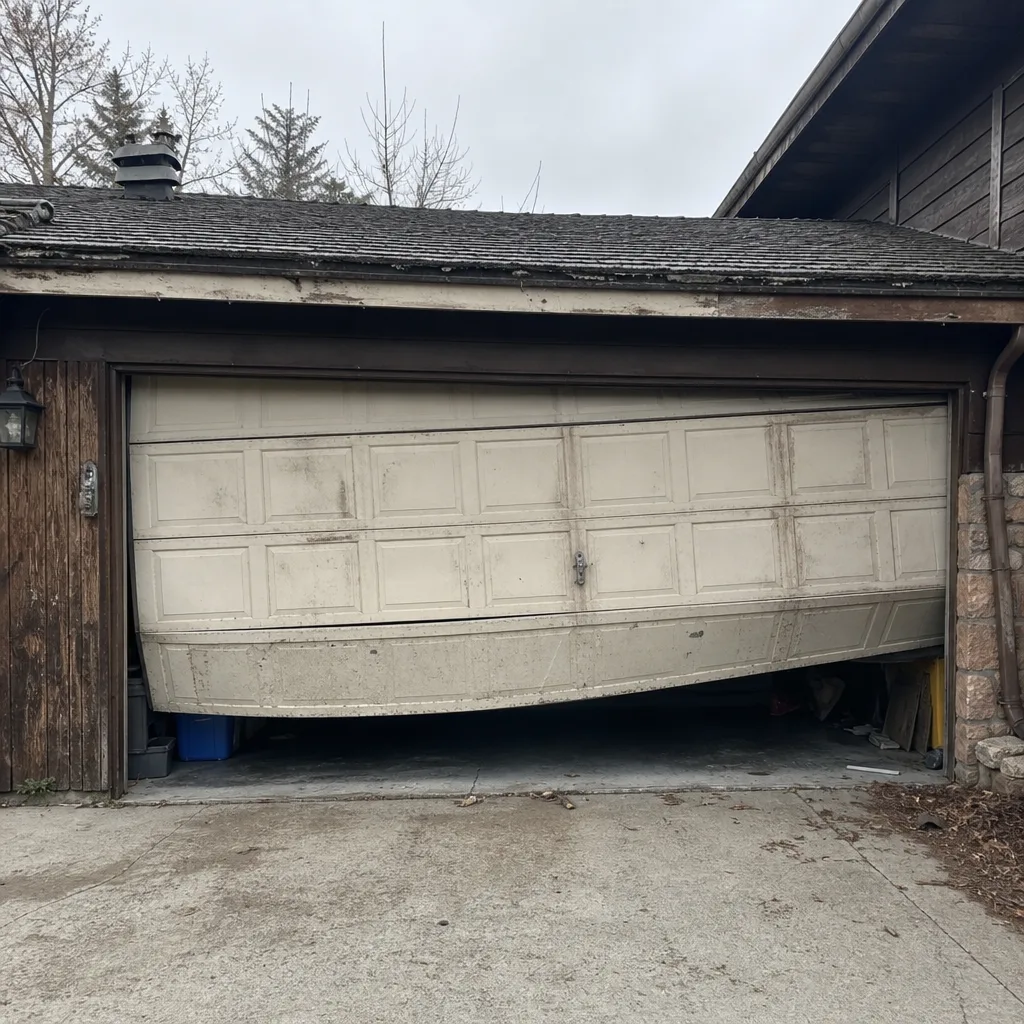 Before
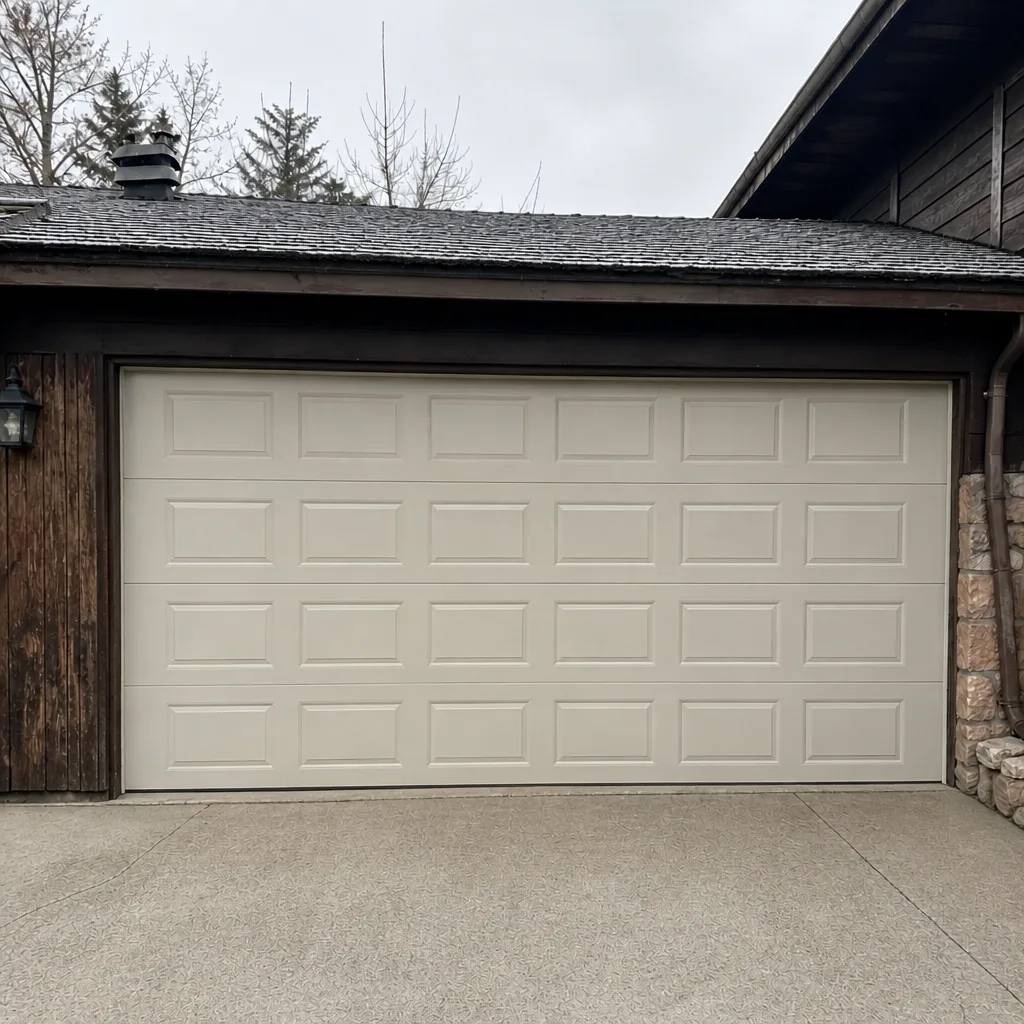 After
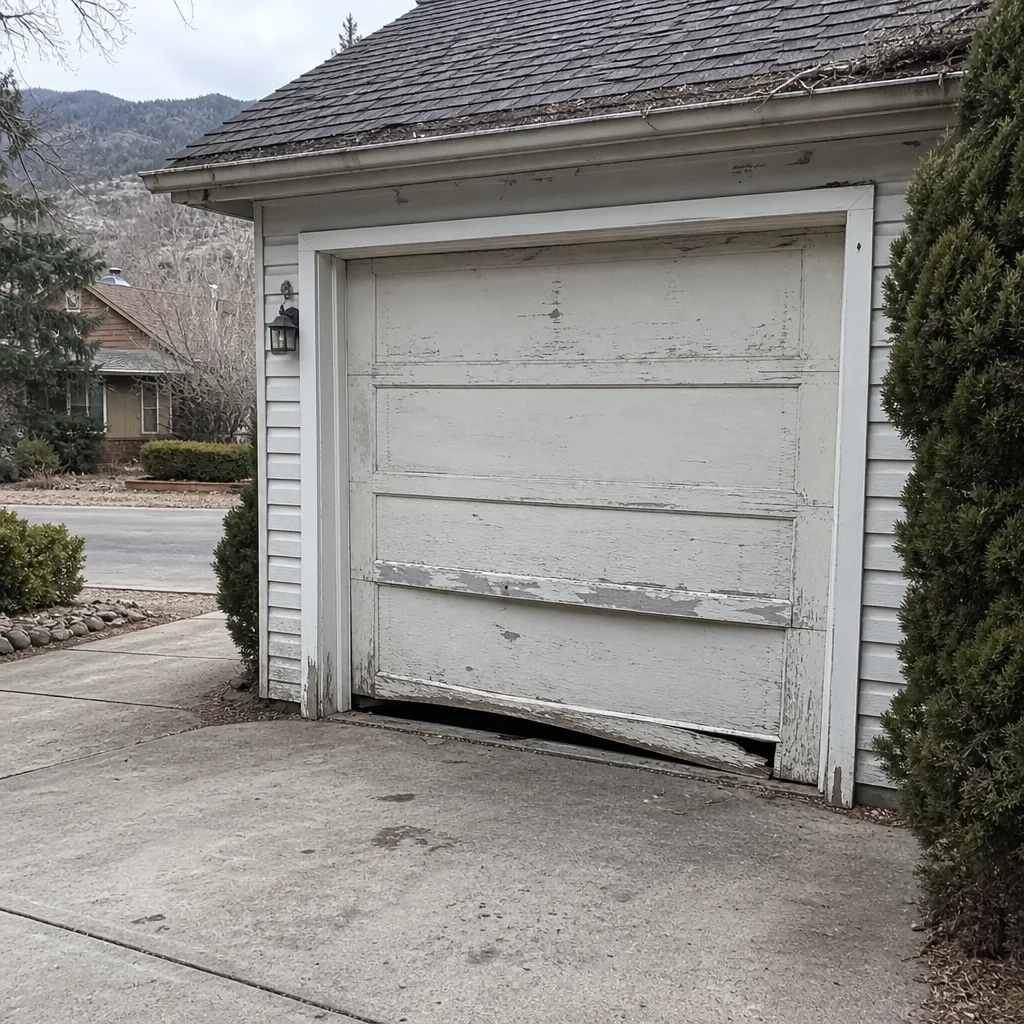 Before
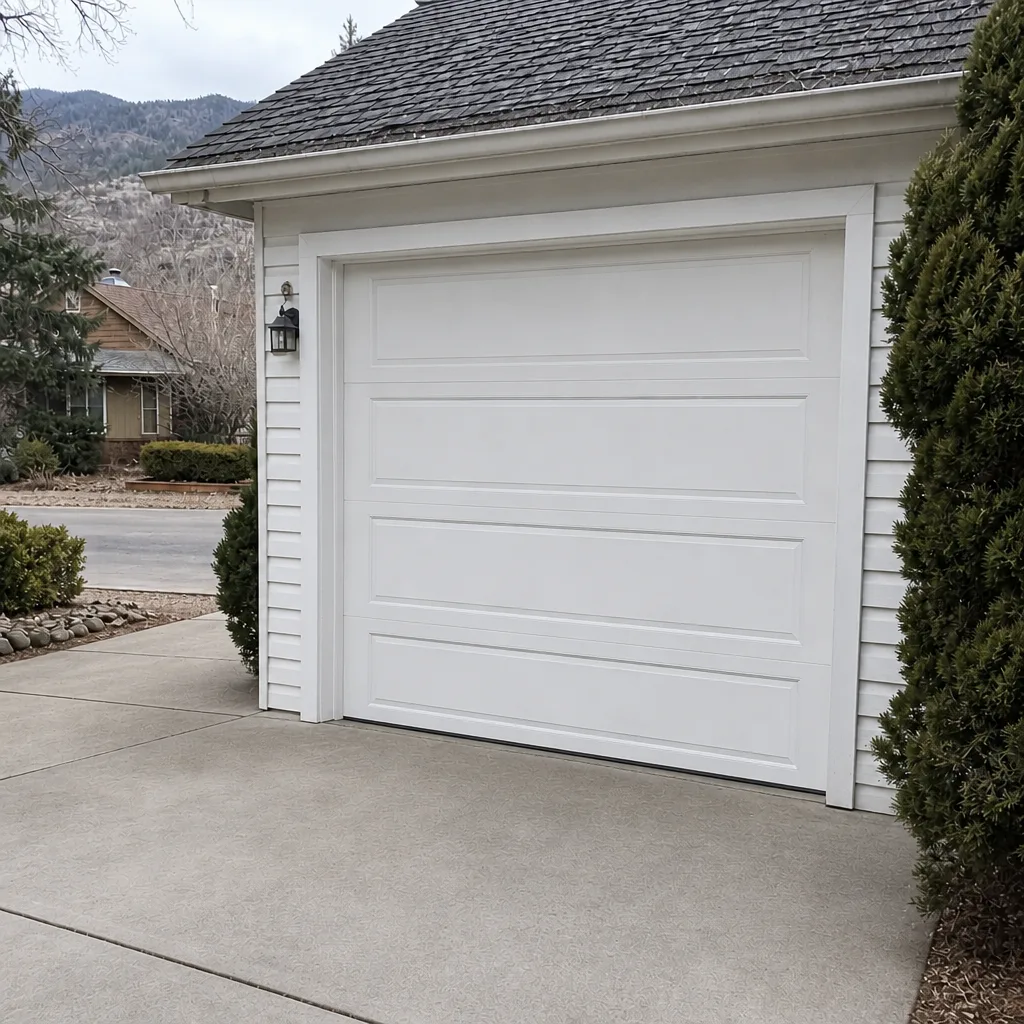 After
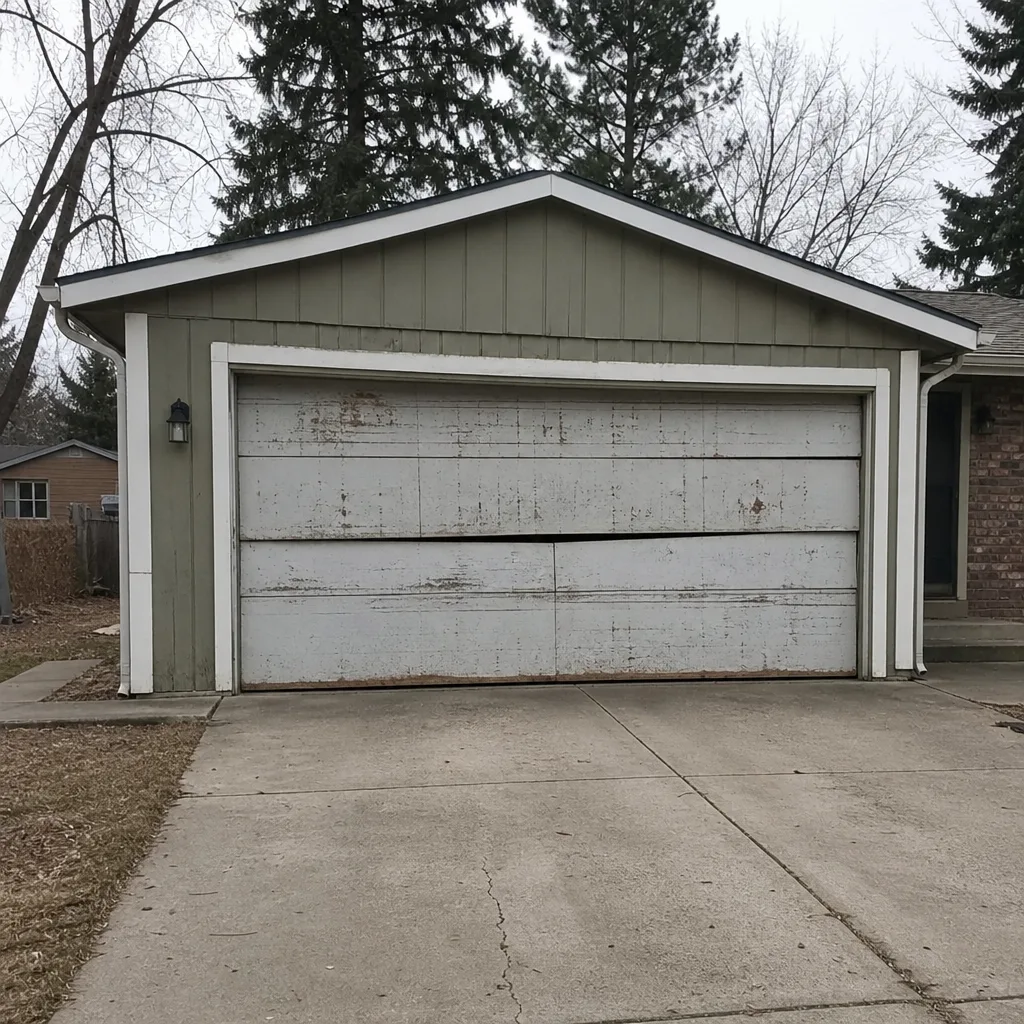 Before
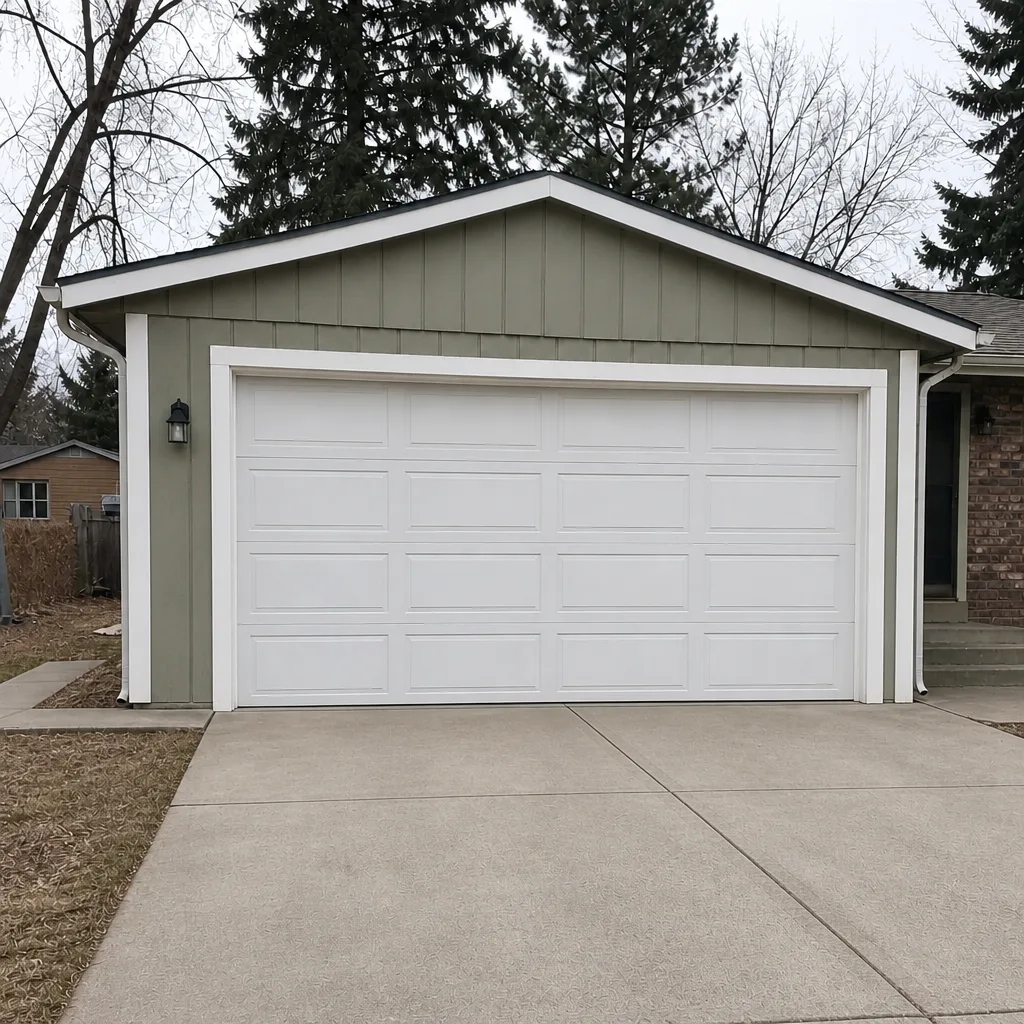 After
When to Call a Professional
Call a professional when the balance test shows the door dropping or rising on its own, when you hear a popping or snapping sound from above the door, when the door lifts partway and stops, when a cable is visibly frayed, or when your door has run more than 10,000 cycles since the last tune-up. Call if you’re not sure what you’re looking at, too. A free estimate costs you nothing and tells you whether you’re looking at a maintenance item or a repair. Spring and cable work is the one part of this schedule that is never a homeowner job: those parts are under extreme tension and a mistake can cause serious injury.
If the door is stuck right now, that’s a different kind of call than a maintenance one. For a stuck or broken door, garage door repair is the right starting point, and we offer same-day repair and fast dispatch from 7am to 7pm, Sunday through Friday. Highlands Garage Door Repair Pros offers free estimates in Highlands. Call (877) 492-1832. We answer 24/7.
Frequently Asked Questions
Once a year for most households, or every 10,000 cycles, whichever comes first. Highlands’ freeze-thaw cycle makes the early-spring check worth doing every year regardless of cycle count, because rollers and the bottom seal take the most abuse in that window. A busy household with two commuters should lean toward the 10,000-cycle mark, and a quiet one can stretch to the calendar year.
The balance test is the fastest check. Pull the manual release, lift the door to waist height, and let go. A door that drops has springs that are losing tension, and a door that rises is also out of balance. A visible gap in a torsion spring, a popping sound, or a door that won’t lift at all are signs to call rather than test further. Call (877) 492-1832 for a free estimate if you’re not sure.
You can lubricate hinges, roller stems, and the torsion shaft bearings yourself with a silicone or white lithium spray, and you can do it safely. What you shouldn’t do is lubricate tracks, use petroleum products on nylon rollers, or spray anything into the opener rail. The parts under tension, including springs and cables, are not a homeowner job for lubrication or anything else.
The freeze-thaw cycle. Repeated freezing and thawing works on rollers, hinges, and the bottom seal, and it’s hardest on the parts that have to flex. High-altitude UV in summer also ages weatherstripping faster. A door that gets a roller check in early spring and a weatherstripping check in summer handles both seasons better than one on a generic twice-a-year schedule.
Yes, because the parts that fail catastrophically are the ones you can’t see. Cable fray, early spring failure, hinge wear, and track misalignment don’t show up as symptoms until they’re a problem. A yearly tune-up catches them while it’s still a maintenance item. Our technicians have up to 9 years of experience, and we work on doors from Clopay, Amarr, Wayne Dalton, and Raynor as well as LiftMaster, Chamberlain, Genie, and Craftsman, so a tune-up covers the door and the opener together.
You can usually replace just the springs. A spring replacement is a repair, not a replacement decision, and it’s a standard service for us rather than an add-on. A full door replacement comes into it when the panels are also worn or when the door is out of balance after a fresh spring install. A written estimate after an inspection will tell you which one you’re looking at, and the price is set before any work starts.
The Bottom Line
Build your maintenance calendar around cycles, not seasons. Count your door’s daily uses, multiply by your household’s actual activity, and use that number to predict when your springs are nearing the end of their rating. Layer the Highlands seasonal tasks on top: roller and seal checks after freeze-thaw, weatherstripping and lubrication in summer, a second lubrication pass and balance test in fall. Run the balance test regularly, keep petroleum products away from nylon rollers, and test the safety reversal every month. Have a professional tune-up once a year or every 10,000 cycles. The parts you can’t see are the ones that fail first, and those are the ones worth paying someone to check.
If you’d rather have the schedule handled for you, Highlands Garage Door Repair Pros offers free estimates in Highlands. Call (877) 492-1832. We answer 24/7, with fast dispatch from 7am to 7pm, Sunday through Friday.
Written by the team at Highlands Garage Door Repair Pros.